 Clearwater Siding
 New-Construction Windows in Coachman Ridge
Coachman Ridge is one of the established residential pockets of Clearwater, and like the rest of Pinellas County it sees a steady mix of additions, room conversions, garage-to-living-space projects, and full strip-to-the-studs renovations every year. Any time exterior wall framing is opened up — new construction, an addition, or a gut renovation where the old windows and the surrounding wall are coming out entirely — the correct product to install is a new-construction window, not a replacement window. The two look similar from inside the house once trimmed out, but they're built and installed differently, and using the wrong one in the wrong situation causes problems that don't show up until the first hard rain or the first storm season.
This page covers what new-construction windows are, why Clearwater's climate makes correct installation non-negotiable, how the process actually works, and what to look for in a crew that installs this way in Coachman Ridge specifically.
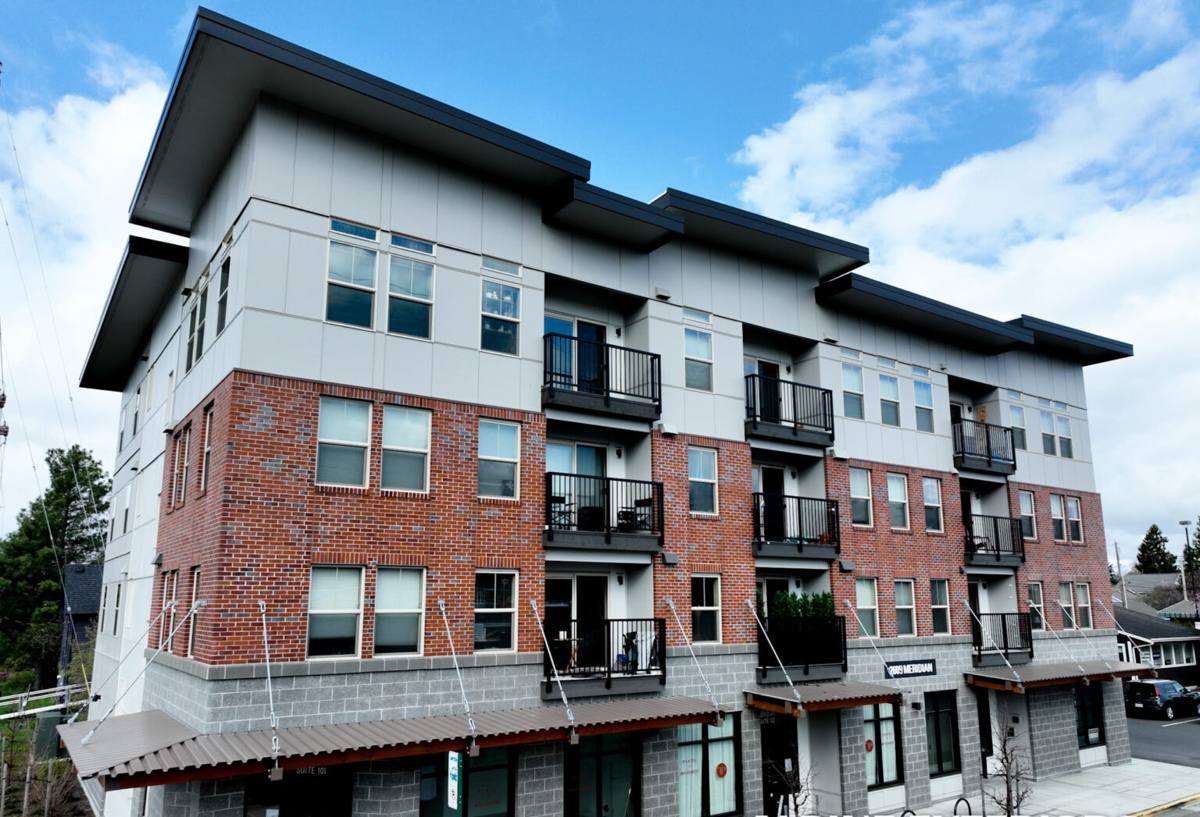
New-Construction vs. Replacement: Why the Distinction Matters
The Nailing Fin Changes the Whole Installation
A new-construction window has a flange — a nailing fin — built into the perimeter of the frame. That fin gets fastened directly to the wall sheathing, then integrated into the house's weather-resistive barrier and flashing system before siding or stucco goes back on. A replacement window, by contrast, has no fin; it's designed to slide into an existing, intact window opening and get fastened through the frame itself, relying on the original construction's flashing that's already in place. You genuinely cannot swap one approach for the other without compromising how water is managed at that opening.
When Coachman Ridge Homeowners Actually Need This Service
In practice, that means new-construction windows are the right call for new builds, room additions, converted garages or lanais, and any renovation where the wall is opened to the studs. If the existing wall and siding are staying intact and only the window itself is being swapped, that's a replacement-window job, not this one. Getting that distinction right at the estimate stage saves rework later — a new-construction window installed into an opening that wasn't properly prepped for a nailing fin, or a replacement window forced into new framing without the fin flashing system it needs, are both setups for leaks.
What Clearwater's Climate Demands From Every Window Opening
Pinellas County sits on a peninsula, and Clearwater homes deal with a specific combination of stresses that inland construction rarely has to account for. Hurricane-force wind events are a real design consideration, not a hypothetical — every window and its installation has to be able to take sustained pressure and windborne debris impact without failing. Between storms, it's intense, near year-round UV that degrades frame materials, seals, and finishes faster than in milder climates. Add wind-driven rain that gets pushed sideways and upward into wall assemblies during storms, and salt air drifting inland that accelerates corrosion on hardware, fasteners, and lesser-grade aluminum components, and you have four separate forces all working against a window opening at once.
None of this is unique to Coachman Ridge, but it's the baseline every new-construction window installation in this part of Clearwater has to be built for. A window and installation method that would be perfectly fine in a drier, calmer climate can underperform here within a few years if it wasn't specified and installed with these conditions in mind.
Water Management: The Part No One Sees, But Everyone Eventually Notices
Most window failures in this climate aren't glass failures — they're water intrusion failures, and they trace back to how the opening was flashed and sealed, not to the window unit itself. A correct new-construction installation follows a specific sequence, and skipping or reordering steps is where leaks originate.
- A sloped sill pan at the bottom of the rough opening, so any water that gets past the window drains back out instead of pooling against the sill
- Weather-resistive barrier (house wrap or equivalent) lapped correctly around the opening before the window ever goes in
- Flashing tape applied in the right order — sill first, then jambs, then head — so each layer sheds water onto the layer below it, never the reverse
- The window set into the opening plumb, level, and square, with the nailing fin fastened per the manufacturer's schedule
- Head flashing installed last, lapping over the top of the window fin and integrated with the WRB above it
- Backer rod and a compatible sealant at the interior and exterior joints — not just caulk smeared over a gap
Every one of these steps matters more in a market that sees wind-driven rain than in one that doesn't. Wind pressure during a storm can force water uphill against a wall in ways ordinary rain never would, so any shortcut in this sequence tends to surface as a stain on an interior wall or ceiling, sometimes months after the window was installed.
Wind Load Ratings, Product Approval, and the Permit Process
Every new-construction window installed in Pinellas County has to meet the wind load requirements of the Florida Building Code for its specific location and exposure. That means the window itself has to carry a valid Florida Product Approval (or Miami-Dade County Notice of Acceptance, which is also accepted statewide) rated for the pressures that apply to the project, and it has to be installed according to the fastening schedule that approval is based on — not a generic "install it and caulk it" approach. A window with the right rating on paper still fails inspection, and still underperforms in a storm, if it's fastened with the wrong screws, the wrong spacing, or into substrate it wasn't tested to be installed in.
New-construction window work in Coachman Ridge is permitted work. That means submitted plans or product documentation, a scheduled inspection (sometimes more than one, depending on the scope of the project), and sign-off before the wall gets closed up. Skipping the permit doesn't just risk a fine — it means no third party ever confirmed the flashing and fastening were done correctly, which matters a lot more here than it would somewhere without hurricane exposure.
Choosing Frame Material and Glass Package
New-construction windows are available in a range of frame materials and glass options, and the right combination depends on the project, the elevation, and budget. The table below covers the tradeoffs we walk homeowners through most often.
| Option | Where It Fits Best | Tradeoffs to Know |
|---|---|---|
| Vinyl frame | Most residential new-construction and additions | Good insulating value and low maintenance; frame color and size options can be more limited than aluminum |
| Aluminum frame | Larger openings, more contemporary designs | Strong and slim sightlines, but needs quality finishing and hardware to resist salt-air corrosion over time |
| Impact-rated glass | Any elevation, especially where shutters aren't practical | Laminated glass stays in the frame under impact; higher upfront cost than annealed glass plus shutters |
| Non-impact glass + shutters | Budget-conscious projects with storage for shutters | Lower window cost, but shutters must actually be deployed before every storm to matter |
We'll walk through what each option means for a specific opening rather than defaulting to one answer — a covered lanai conversion and a street-facing addition don't always call for the same glass package, even on the same house.
How We Handle a New-Construction Window Job in Coachman Ridge
The process starts with an on-site look at the rough openings (or the plans, if the walls aren't framed yet), confirming sizes, wind load requirements for the specific elevation, and which frame and glass package fits the project and budget. From there:
- Windows are ordered to exact measurements with the correct product approval for the required wind pressure
- We coordinate timing with the builder or general contractor's framing schedule so windows go in at the right point in the build sequence — not too early, not after the WRB is already closed up wrong
- Sill pans, WRB integration, and flashing are installed in the correct order at each opening
- Windows are set, fastened per the manufacturer's approved schedule, and checked for plumb, level, and square
- Head flashing and sealant joints are completed and the opening is documented for inspection
- We're present for the required inspections and handle any corrections directly, rather than leaving that step to whoever closes up the wall afterward
On additions and renovations specifically, we also flag any spots where the existing wall assembly doesn't match what the new opening needs — old sheathing that's degraded, or a WRB that wasn't lapped correctly to begin with — before it gets buried behind new siding or stucco.
Signs a New-Construction Window Installation Was Done Wrong
If you're evaluating work that's already been done — on a spec home, a past addition, or a project started by someone else — these are the practical things worth checking before signing off:
- Sealant applied directly over gaps with no backer rod, or sealant as the only water management layer
- No visible sill pan or slope at the bottom of the opening
- Flashing tape that appears to run bottom-over-top instead of top-over-bottom (water has to shed downward and outward)
- Fasteners that don't match the count or spacing called for on the product approval documentation
- No copy of the Florida Product Approval or NOA available for the specific windows installed
- No record of a passed inspection for the window installation
Any one of these on its own isn't automatically a disaster, but a project with several of them is worth a closer look before the walls are finished and everything is hidden.
Cost Factors for New-Construction Window Projects
Pricing depends on more variables than most homeowners expect going in. The broad picture:
| Factor | Why It Moves the Price |
|---|---|
| Number and size of openings | More or larger windows mean more material, labor, and flashing detail work |
| Frame material | Vinyl and aluminum carry different base costs and different hardware/finish requirements |
| Glass package | Impact-rated laminated glass costs more upfront than standard glass paired with shutters |
| Wind load rating required | Higher-pressure ratings for exposed elevations can mean heavier framing and different glazing |
| Access and project stage | New-build framing access is more efficient than working around an occupied home or a tight renovation site |
| Permitting scope | Additional inspections or engineering documentation add time and cost on larger projects |
Most single-opening new-construction window installs land somewhere in the low-to-mid four figures installed, with whole-house or whole-addition projects scaling from there based on the factors above. We'll always put together a written, itemized estimate before any work starts.
Why a Crew That Already Works Coachman Ridge Matters
A lot of what makes a new-construction window installation go smoothly here isn't the window itself — it's familiarity with how Clearwater and Pinellas County permitting and inspection actually run, what wind exposure categories apply to this part of the county, and how homes in this area were typically built, which affects what you find once a wall is opened up. A crew that's done this work in Coachman Ridge before isn't guessing at any of that. They know what documentation the inspector will want to see, what typical wall assemblies look like on homes of this area's age and construction style, and how to sequence the work so it doesn't stall a builder's schedule or leave an addition exposed to weather longer than necessary.
That local familiarity doesn't replace doing the work correctly — flashing sequence, fastening schedule, and product approval still have to be right every time, everywhere. But it does mean fewer surprises, fewer failed inspections, and a smoother project overall.
If you're planning a new-construction window installation in Coachman Ridge — new build, addition, or full renovation — we're glad to take a look and put together a free, no-pressure estimate using the form below.