 Clearwater Siding
 Why Largo Homeowners Are Rethinking Their Roof
Largo sits close enough to the water that its homes take on the same weather load as the rest of Pinellas County: long stretches of intense UV, sudden wind-driven downpours, and salt-laden air that never really lets up. Add in the periodic threat of hurricane-force wind gusts, and it's easy to see why a standard asphalt shingle roof struggles to keep up over the long haul. Shingles bake, curl, and lose granules under constant sun exposure, and their nail-down edges are exactly the kind of weak point that high wind finds first.
Metal roofing has become a popular answer for Largo homeowners who are tired of replacing shingles every decade and want something that actually matches how hard this climate works a roof. Done correctly, a metal system handles wind uplift, sheds water fast, and shrugs off UV in a way that most other materials can't. Done poorly — wrong fastener, wrong panel for the exposure, sloppy flashing — it can fail faster and more expensively than the roof it replaced. This page is about what "done correctly" actually means for a home in Largo.
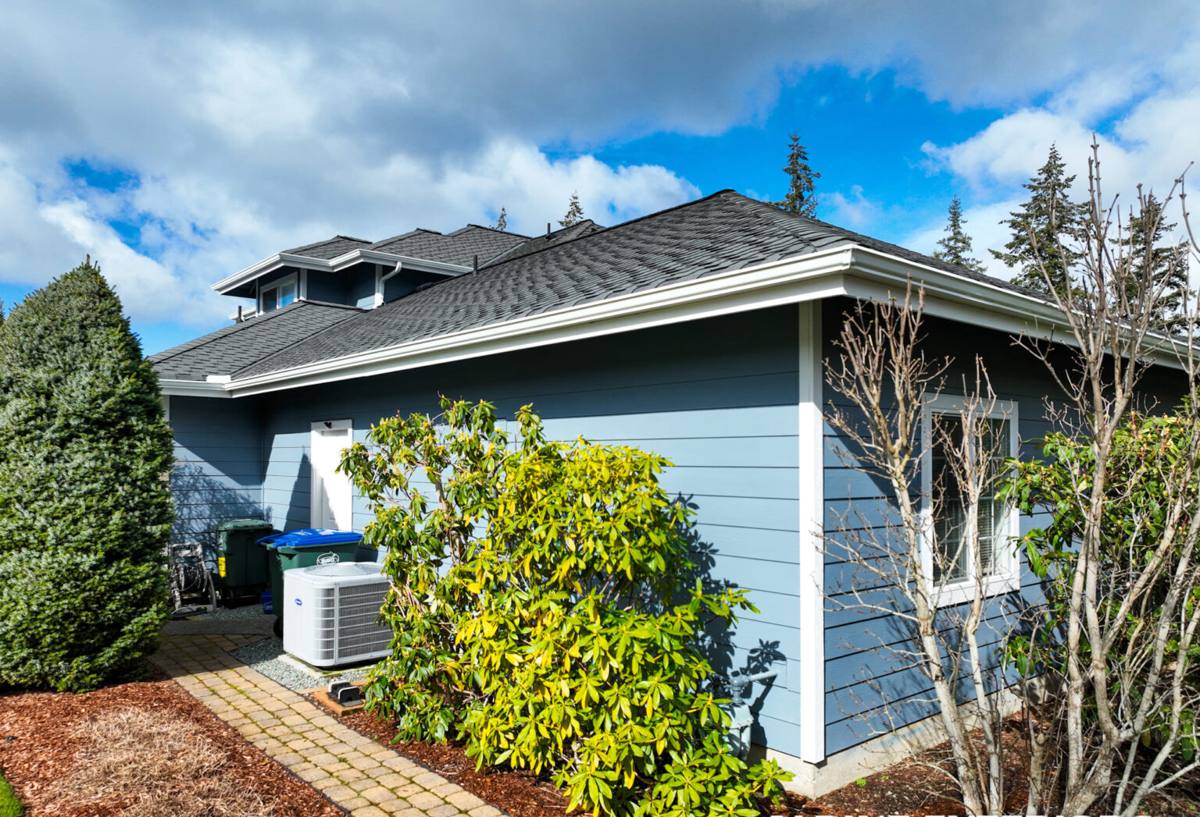
What Local Homes Need From a Metal Roof
Not every metal roof spec is right for every location. A house a few blocks from open water needs different fastener and coating decisions than one further inland, even within the same city. Four climate factors drive almost every decision we make on a Largo metal roofing job:
- Wind uplift resistance — panels, clips, and fasteners all need to be rated and installed to hold against sustained hurricane-force gusts, not just rated on paper.
- UV stability — coatings and paint systems have to hold their color and integrity under year-round Florida sun without chalking or fading prematurely.
- Water shedding under wind-driven rain — when rain is coming in sideways, standard lap and seam spacing isn't enough; seam design and underlayment matter more than panel style alone.
- Corrosion resistance from salt air — even homes that aren't waterfront still pull in salt-laden moisture, which accelerates corrosion at fasteners, flashing, and cut edges if the metal and coating aren't matched to the exposure.
Any reputable metal roof will claim to address these. The difference shows up in the details of the installation — which we'll get into below.
Panel Types: What Actually Fits a Largo Home
Not all metal roofing is the same product wearing different colors. The panel style changes how the roof performs in wind and rain, how it looks, and what it costs. Here's how the common options compare for a home in this area:
| Panel Type | Wind/Water Performance | Appearance | Typical Fit |
|---|---|---|---|
| Standing seam (concealed fastener) | Strongest option — fasteners are hidden under raised seams, out of direct sun and water exposure | Clean, modern vertical lines | Best all-around choice for full re-roofs in wind- and rain-exposed areas |
| Exposed-fastener panel | Good performance if fasteners are correctly torqued and re-checked over time, since gaskets wear | Traditional ribbed look, often used on outbuildings or budget-conscious jobs | Workable option where budget is the priority and maintenance will be kept up |
| Stone-coated steel | Strong wind rating with a shingle- or tile-profile look | Mimics shingle or tile textures | Good fit for homeowners who want metal's durability but a more traditional roofline appearance |
For most primary residences in Largo, we lean toward standing seam because the fastener is protected from the two things that cause the most long-term trouble here — direct UV and driven rain. But the right choice always depends on the roof's slope, the home's style, and the homeowner's budget.
Gauge and Coating Matter As Much As Panel Style
A thicker gauge steel or aluminum panel resists denting and holds fastener torque better over decades of thermal cycling. Paired with a quality factory-applied paint or coating system rated for coastal UV exposure, gauge and coating do more for long-term performance than the panel profile alone. We spec both based on the home's specific exposure, not a one-size-fits-all default.
What a Correct Installation Involves
Deck Inspection and Prep
Metal roofing is only as good as what it's fastened to. Before any panel goes down, we inspect the existing deck for soft spots, prior water damage, and proper fastening pattern, and repair or replace sheathing as needed. Skipping this step is the single most common cause of early metal roof failure — a panel can be perfect and still fail if it's screwed into rotten or under-fastened decking.
Underlayment Built for Wind-Driven Rain
We install a high-temperature synthetic or self-adhering underlayment rated for the sun exposure a metal roof deck sees, with special attention to sealing around eaves, valleys, and any low-slope transitions where wind-driven rain tends to find its way in sideways rather than straight down.
Panel Installation and Fastening
Panels are laid to manufacturer wind-uplift specs, not shortcut spacing. On standing seam systems, clip spacing is tightened in higher-exposure zones like eaves, ridges, and corners — the areas that see the highest wind load during a storm. On exposed-fastener panels, screws are torqued correctly and placed in the flat of the rib, not the crown, to keep water from pooling at the fastener.
Flashing and Penetrations
Flashing at valleys, walls, chimneys, and roof penetrations is where most metal roof leaks actually start — not in the field of the panels. We custom-fabricate flashing to fit the specific roof rather than relying on generic trim pieces, and every penetration gets properly sealed and mechanically fastened, not just caulked.
Final Inspection and Walkthrough
Before we consider the job finished, we walk the roof, check fastener torque, confirm flashing details, and clean up job-site debris — including checking gutters and the ground for stray metal shavings that can cause rust staining if left behind.
Cost Factors for a Largo Metal Roofing Project
Every roof is different, so we won't quote a number without seeing the home, but these are the factors that move the price up or down on most Largo projects:
| Factor | Effect on Cost |
|---|---|
| Panel type (exposed-fastener vs. standing seam) | Standing seam typically costs more upfront due to labor and concealed-fastener hardware |
| Roof complexity (valleys, dormers, penetrations) | More cuts and flashing detail means more labor hours |
| Deck condition | Rotted or under-spec decking adds repair cost before panels go on |
| Gauge and coating grade | Heavier gauge and higher-grade coatings cost more but reduce long-term maintenance |
| Tear-off vs. overlay | Full tear-off costs more initially but avoids trapping moisture under old roofing |
As a general rule, metal roofing costs more upfront than asphalt shingles, but the gap narrows considerably when you account for how many shingle roofs in this climate need full replacement well before a properly installed metal roof does.
Maintenance: What Actually Keeps a Metal Roof Performing
Metal roofing is low-maintenance, not no-maintenance — especially in a salt-air environment. A short annual check catches small issues before they become leaks:
- Visually inspect fasteners on exposed-fastener panels for backing out or worn gaskets
- Check flashing at valleys, walls, and penetrations for gaps or sealant breakdown
- Clear leaves and debris from valleys and gutters so water doesn't pool against seams
- Look for early rust or coating wear at cut edges and fastener heads
- Rinse off accumulated salt film after long dry stretches, especially on homes closer to the water
- Confirm gutters and downspouts are directing water away from the foundation, not just off the roof
Most of this can be done from the ground with binoculars or during a routine gutter cleaning — it doesn't require getting on the roof yourself.
Why Local Experience in Largo Actually Matters
Roofing code requirements, typical wind exposure categories, and even the way salt air behaves can vary block by block along the Pinellas County coastline. A crew that already works in and around Clearwater and Largo knows which details get inspected closely here, what wind-uplift documentation local permitting expects, and which parts of a roof tend to take the most abuse in this specific stretch of Florida. That's not something a crew unfamiliar with the area picks up on the first job — it comes from doing the work here repeatedly and seeing what holds up and what doesn't.
It also means faster response if something needs a look after a storm, and a contractor who's still around and reachable years after the install — not a crew that worked the area for one season and moved on.
Get a Straight Answer for Your Roof
If you're weighing metal roofing for a Largo home, we're glad to take a look and give you an honest read on panel type, condition of your current deck, and a realistic cost range — no pressure, no upsell. Use the form below to request a free estimate.