 Clearwater Siding
 Downtown Clearwater's Housing Stock and What It Means for Siding
Downtown Clearwater sits on the bluff above Clearwater Harbor, and the housing here reflects decades of growth in a tight, walkable urban core. You'll find early- and mid-century bungalows and cottages standing next to renovated properties and newer infill construction, all packed onto lots that are smaller and closer together than what you'd see further out in Pinellas County. That mix matters for siding work. An older home may still have its original wood siding under layers of paint, or a previous owner's fiberboard or vinyl update that's now failing. A newer build might already have vinyl or an engineered wood product that's degrading faster than expected in this climate. Either way, the fix isn't one-size-fits-all — it starts with an honest look at what's actually on the wall now and what the framing underneath can support.
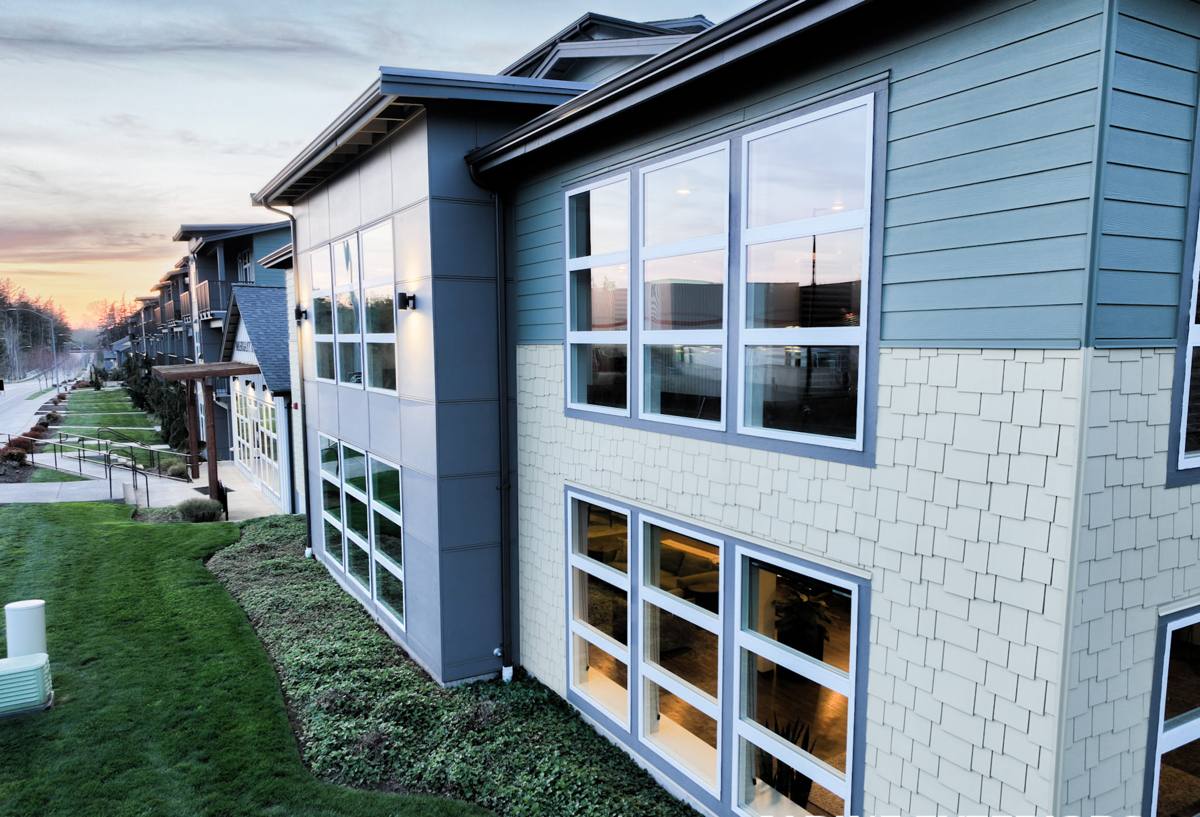
The Climate Downtown Clearwater Siding Actually Has to Handle
Being this close to the harbor and the Gulf means Downtown Clearwater homes take on more environmental stress than the average inland house. Four factors do most of the damage over time:
| Climate Factor | What It Does to Siding | What a Correct Installation Needs |
|---|---|---|
| Hurricane-force wind | Pulls at fasteners, lifts panel edges, drives debris into wall surfaces | Manufacturer-specified fastening patterns and clearances rated for the local wind zone |
| Year-round intense UV | Fades field-applied paint, breaks down plastics, dries out caulk | A factory-baked finish that's engineered to resist UV, not a job-site paint job |
| Wind-driven rain | Forces water sideways behind siding during storms instead of just running down it | A proper drainage plane and weather-resistant barrier behind the cladding |
| Salt air off the harbor and Gulf | Corrodes exposed fasteners and trim, chalks and dulls unprotected finishes | Corrosion-resistant fasteners and a finish system built for coastal exposure |
None of these factors act alone — a hard summer storm combines all four in a single afternoon. Siding that's only rated to handle one or two of them is siding that's going to need attention again sooner than it should.
Why We Install Only James Hardie Fiber Cement
We made a decision to install James Hardie products exclusively, and it's worth explaining why rather than just stating it. Vinyl siding is inexpensive and easy to install, but it's a plastic product — it softens and can warp under Florida's sustained heat, and its color is baked into the material itself with no factory topcoat, which means it fades and chalks over time with no way to renew it short of replacement. Wood and primed spruce siding look good going in, but wood is organic material in a humid coastal environment — it needs ongoing paint maintenance to keep moisture out, and once water gets behind a paint failure, rot follows. LP SmartSide is an engineered wood product with real strengths, but it's still wood-based at its core, which means the same moisture-sensitivity trade-offs apply, particularly at cut edges and seams. Other fiber cement brands like Cemplank or Allura compete in the same category as James Hardie, but we standardized on Hardie specifically for its HZ5 product line, which is engineered for higher-moisture, higher-humidity climates like coastal Florida, its non-combustible composition, and its ColorPlus factory finish — a baked-on, UV-cured finish that outperforms field-applied paint and carries its own finish warranty. We're not saying every other product fails on every home. We're saying that for what Downtown Clearwater's climate puts a wall through, this is the product system we're willing to stand behind.
What a Correct James Hardie Installation Actually Involves
Buying the right material is only half the job. James Hardie siding performs the way it's designed to only when it's installed to the manufacturer's published specifications, and in a wind-exposed coastal area, skipping details isn't a cosmetic shortcut — it's a structural one. A correct installation includes:
- A weather-resistant barrier and drainage plane behind the siding, so any water that gets past the cladding has somewhere to go
- Correct clearances from grade, roof lines, decks, and other transitions so siding edges aren't sitting in standing water or trapped moisture
- Fastener type, spacing, and embedment matched to Hardie's specifications for the wind exposure of the specific home — not a generic pattern used everywhere
- Properly integrated flashing at every window, door, and penetration, so water is directed out and not into the wall assembly
- Field-cut edges sealed per manufacturer guidance, since a raw cut edge is the one place the factory finish isn't already protecting the material
- Caulking used only where it belongs — sealed joints that need it, not as a substitute for proper flashing or clearances
Every one of those details is easy to skip and hard to notice from the ground once the siding is up. It's also exactly where problems show up first during the next big storm.
How We Approach Downtown Clearwater Jobs Specifically
Working in Downtown Clearwater comes with logistics that don't apply everywhere in the county. Lots here tend to be smaller and closer together, which means less room for material staging and more care needed around neighboring properties, landscaping, and shared driveways or walkways. Some properties in and around the downtown core carry historic designations or neighborhood association guidelines, so part of our process is confirming upfront whether any of those apply before work starts, rather than discovering it midway through a project. On the permitting side, Pinellas County and the City of Clearwater require siding work to meet the wind-load standards for the local wind zone, and we handle that permitting and inspection process as a standard part of the job rather than treating it as an extra step. Before any siding comes off, we assess the existing wall assembly — many of the older homes downtown have layers of old paint, wood sheathing, or moisture history that needs to be dealt with honestly before new siding goes over it.
What Drives the Cost
Every home is different, and we don't think broad averages from other markets are useful to a homeowner trying to plan a real project. What we can tell you is which factors actually move the number on a Downtown Clearwater job:
| Cost Factor | Why It Matters |
|---|---|
| Tear-off vs. install over existing siding | Removing old siding adds labor and disposal cost but lets us properly inspect and repair the wall underneath |
| Sheathing or framing repair | Rot or water damage found once old siding comes off has to be fixed before new siding goes on — this is the most common source of surprises |
| HardiePlank lap siding vs. HardiePanel vertical siding | Different product lines and install methods carry different material and labor costs |
| Trim, color, and detail complexity | Custom trim work, multiple colors, or architectural detailing on an older home takes more time than a simple flat elevation |
| Site access | Tight downtown lots with limited staging space can affect labor time compared to a wide-open suburban lot |
The honest answer is that most full siding replacements land in the five-figure range, and the final number is driven far more by scope and repair needs than by which neighborhood the home is in. We won't give you a number over the phone without seeing the house — anyone who does is guessing.
Signs Your Downtown Clearwater Home May Need Siding Attention
Salt air and sun damage are gradual, so a lot of homeowners don't notice how far along the problem is until they're looking for it. Watch for:
- Soft or spongy spots when you press on the siding, especially near the bottom edges
- Paint that's peeling, bubbling, or failing faster than it used to
- Visible cracking, buckling, or panels that have separated from the wall
- Gaps opening up around trim, windows, or corner boards
- Rust streaks running down from fastener heads or trim
- Persistent mold or mildew on the siding surface that comes back soon after cleaning
- Noticeably higher cooling bills, which can point to compromised insulation or air sealing behind the siding
Any one of these on its own might be minor. Several together, especially on a home that's had multiple storm seasons of exposure, usually means it's worth having someone look at the whole wall assembly, not just the visible surface.
Why Hiring a Crew That Already Works This Neighborhood Matters
A contractor who regularly works Downtown Clearwater already knows the county's wind-load permitting requirements, has a feel for what's usually hiding behind the siding on homes of this era, and understands how to stage and sequence a job on a tight urban lot without it becoming a headache for you or your neighbors. That familiarity shows up in fewer surprises, fewer permitting delays, and a crew that isn't learning the neighborhood's quirks on your project.
If your Downtown Clearwater home's siding is showing its age, or you're just trying to understand your options before storm season puts more strain on it, we're happy to take a look and walk you through what we see — no pressure, no obligation. Request a free estimate using the form below and we'll get back to you.