 Clearwater Siding
 Roofing on a Barrier Island Is a Different Job
Indian Rocks Beach sits out on the Gulf side of Pinellas County, which means every roof there is dealing with conditions that homes ten miles inland simply don't see as often. Wind comes off open water with nothing to slow it down. Rain gets driven sideways instead of falling straight. Salt hangs in the air year-round and settles on metal, fasteners, and shingle granules whether a storm has come through recently or not. Add in the sun exposure that any Florida roof has to survive, and you've got a roofing environment that ages faster and fails differently than a typical inland roof.
That's the backdrop for storm damage repair work in this part of Clearwater. A repair that would hold up fine in a sheltered subdivision further from the coast can fail again quickly on a barrier island roof if it isn't built with that exposure in mind. This page covers what storm damage repair actually involves for Indian Rocks Beach homes, what a correct repair looks like, and how our process works.
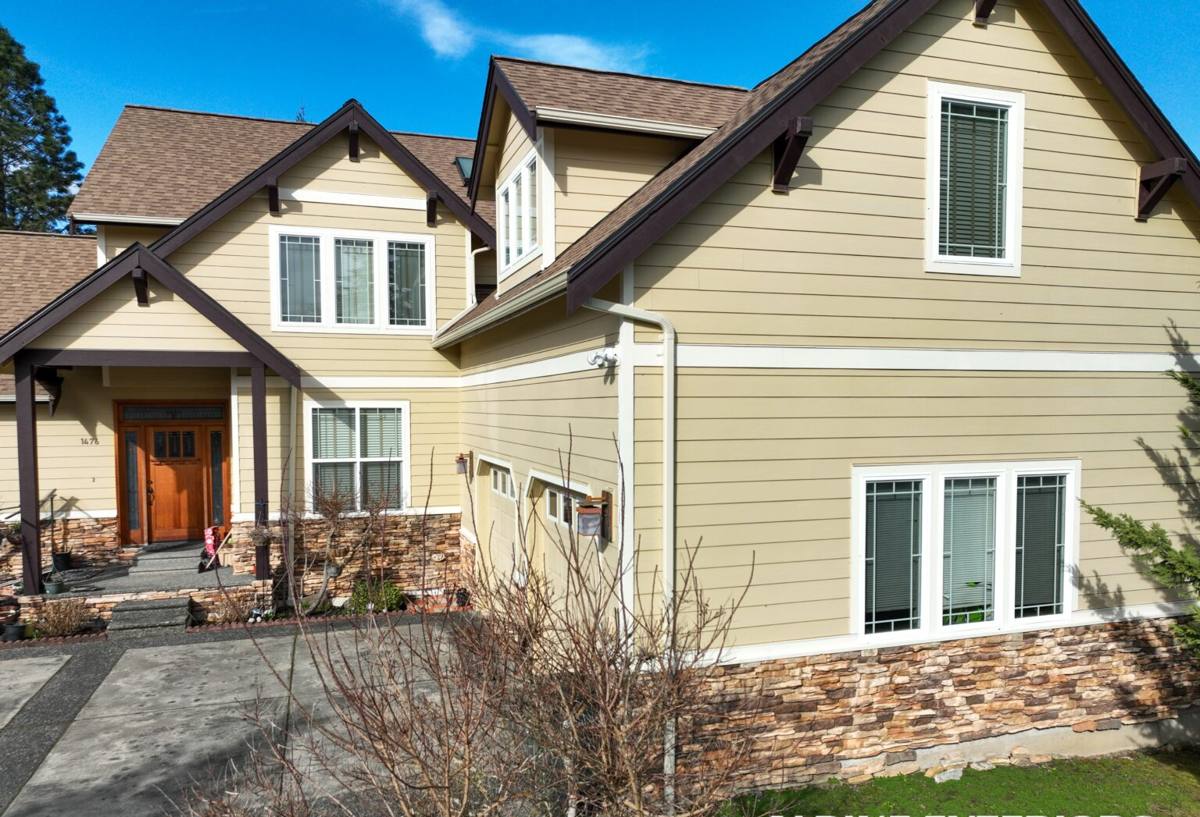
What Actually Counts as Storm Damage
Not every roof problem after a storm is obvious. Some damage is dramatic — missing shingles, a section of soffit torn loose, a leak that shows up in the ceiling within hours. Other damage is quiet and shows up weeks or months later as a slow leak, a soft spot in the decking, or granule loss that accelerates aging without any visible hole.
Wind Damage
High winds lift shingle tabs, break the seal strip that holds shingles flat, and in worse cases peel shingles off entirely. Even when shingles stay in place, repeated wind stress can crack the seal without pulling the shingle loose — the roof looks fine from the ground but is no longer watertight in that spot.
Wind-Driven Rain
Rain that's moving horizontally finds its way under shingle edges, around vent boots, and through any gap in flashing that a straight-down rain would never reach. This is one of the more common sources of hidden leaks on Gulf-facing roofs after a storm — the roof surface can look untouched while water has already gotten underneath it.
Debris and Impact Damage
Palm fronds, tree limbs, and airborne debris cause dents, punctures, and torn shingles. On metal roofing this can mean visible dents; on shingle roofing it can mean bruised spots where the underlying mat is compromised even if the shingle isn't torn.
Salt-Air Acceleration
Salt exposure doesn't cause storm damage on its own, but it makes existing damage worse faster. Exposed fasteners, flashing edges, and any spot where the roof's protective layer has been compromised corrode more quickly this close to the Gulf than they would further inland.
Our Storm Damage Assessment Process
We don't quote a repair without actually getting on the roof and in the attic first. A proper assessment after a storm covers more than the spots that are obviously damaged.
- Roof surface inspection. We check every field of the roof, not just the area the homeowner noticed a problem — wind and debris damage is often scattered.
- Flashing and penetration check. Vent boots, chimney flashing, skylight flashing, and wall-to-roof transitions are common leak points that are easy to miss from the ground.
- Attic inspection. Water stains, damp insulation, or daylight coming through decking tell us things the exterior surface won't.
- Decking evaluation. Soft or delaminated decking under a damaged area changes the scope of the repair — patching shingles over compromised decking doesn't hold.
- Written scope and photos. We document what we find before we touch anything, which matters if you're filing an insurance claim.
Common Repair Scenarios After a Storm
Most storm-related repair calls in this area fall into a handful of categories. Here's what each one typically involves:
| Damage Type | What a Correct Repair Involves |
|---|---|
| Missing or lifted shingles (small area) | Remove damaged shingles, inspect decking underneath, replace with matching shingles, re-seal tabs |
| Cracked or lifted flashing | Remove and replace flashing (not just re-caulk), check underlayment condition beneath it |
| Soft or wet decking | Cut out and replace affected decking sections before any new roofing material goes down |
| Damaged vent boots / pipe collars | Full replacement of the boot, not a caulk patch — caulk-only fixes fail again quickly in this climate |
| Scattered granule loss / bruising | Assess whether affected shingles need spot replacement or whether the damage is cosmetic and monitored |
Repair vs. Replace: How We Make That Call
Storm damage doesn't always mean a full new roof, and it doesn't always mean a simple patch either. The right call depends on a few honest factors, not on which option is more profitable for us.
| Factor | Leans Toward Repair | Leans Toward Replacement |
|---|---|---|
| Roof age | Younger roof, well within its service life | Roof already near the end of its expected lifespan |
| Extent of damage | Isolated to one or two areas | Widespread across multiple roof planes |
| Decking condition | Sound decking, no rot or delamination | Multiple sections of compromised decking |
| Shingle match availability | Matching shingles still available | Discontinued product, visible mismatch likely |
| Prior repair history | First significant repair on this roof | Repeated patch jobs already on record |
We'll walk you through where your roof falls on these factors and give you a straight answer, not an upsell.
Materials Built for This Exposure
What we install matters as much as how we install it. For homes this close to the Gulf, we lean toward materials and details that are built to handle wind and salt exposure rather than the minimum a building code requires.
- High wind-rated architectural shingles with a stronger sealant bond than economy-grade product
- Synthetic underlayment as a secondary water barrier, since it holds up better than old-style felt under prolonged moisture exposure
- Corrosion-resistant fasteners and flashing, given how quickly standard-grade metal degrades in salt air
- Properly sized and sealed vent boots rated for UV and heat exposure, not just the cheapest stock option
- Drip edge and flashing details that account for wind-driven rain, not just straight-down rainfall
We frame these as our standard, not as a knock on every other option out there — there are legitimate trade-offs between cost, appearance, and long-term maintenance for any roofing material, and we're happy to talk through them honestly rather than just push the priciest option.
Insurance Documentation and Timing
Storm damage repairs often involve an insurance claim, and the timeline matters. Filing quickly after a storm, before secondary damage from ongoing leaks sets in, generally makes for a cleaner claim. We provide clear photo documentation and a written scope of damage that homeowners can use with their adjuster. We don't handle the claim on your behalf or promise a specific outcome from your insurer — that's between you and them — but we make sure the roof-side documentation is thorough and accurate.
Why a Local Clearwater-Area Crew Matters Here
A crew that regularly works Indian Rocks Beach and the surrounding Pinellas County coastline knows what this exposure does to a roof over time, because they've seen it repeatedly, not once. That familiarity shows up in small but real ways: recognizing early salt corrosion on fasteners before it becomes a leak, knowing which flashing details tend to fail first on Gulf-facing homes, and being able to respond quickly after a storm instead of adding you to the back of a queue for a crew coming from across the bay.
It also means we're not guessing at permitting or local requirements — we're already familiar with how roofing work gets handled in this part of the county, which keeps the process moving instead of stalling on paperwork.
What to Do Right After a Storm
If your Indian Rocks Beach roof took a hit, a few early steps make the eventual repair go smoother and can limit how much damage spreads in the meantime.
- Do a visual check from the ground for missing shingles, exposed decking, or debris on the roof — don't get on the roof yourself
- Check the attic and ceilings for water stains, dampness, or a musty smell
- Take photos of any visible exterior damage as soon as it's safe to do so
- Cover any active interior leak to limit water damage to insulation, drywall, and flooring
- Avoid DIY roof patches — a poorly sealed patch can trap moisture and cause more damage than the original problem
- Call for an inspection sooner rather than later, even if the damage looks minor from the ground
If you've got storm damage on an Indian Rocks Beach roof — or you're just not sure whether what you're seeing needs attention — we'll come take an honest look. The estimate is free, there's no pressure to sign anything on the spot, and you'll get a straight answer about what's actually going on with your roof.