 Clearwater Siding
 Why Indian Rocks Beach Roofs Wear Out Faster Than Inland Roofs
Indian Rocks Beach sits on a narrow barrier island between the Gulf of Mexico and the Intracoastal Waterway, which means every roof here takes a beating that a home ten miles inland simply doesn't see. Salt-laden air corrodes exposed metal fasteners and flashing. Intense, near-constant UV exposure bakes the oils out of asphalt shingles years before it would on a shaded, inland lot. Wind-driven rain during summer storms and hurricane season finds every gap in flashing or underlayment that wasn't sealed correctly the first time. None of this means asphalt shingle roofing is a poor choice for the island — it's still the most practical, cost-effective option for most homes here. It means the installation has to account for these conditions from the start, not as an afterthought.
The Combination That Matters
It's rarely one factor that causes early roof failure on the island — it's the combination. UV breaks down the asphalt binder, salt air accelerates corrosion of nails and flashing, and wind events test every seam and fastener at once. A roof built for average Florida conditions can look fine for a few years and then fail in a cluster during a single storm season, because the underlying materials were already compromised.
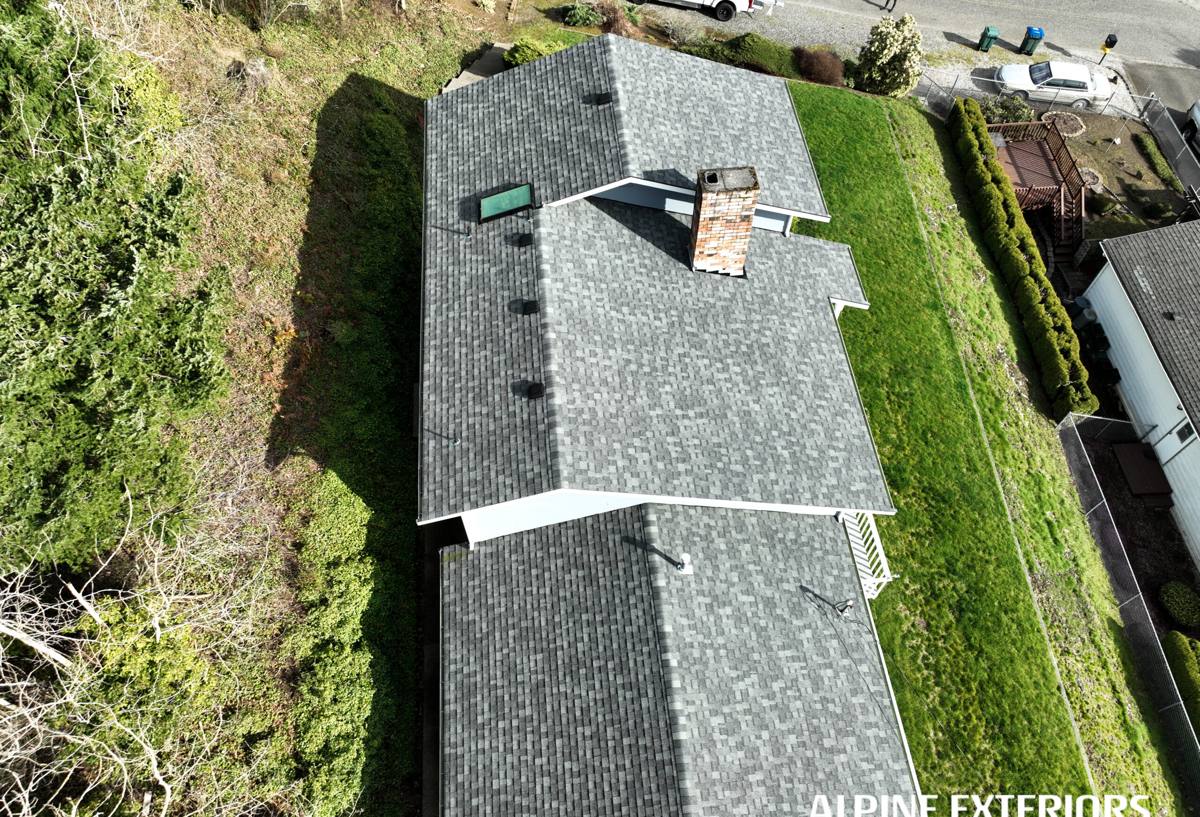
What a Correct Asphalt Shingle Roof Needs on the Island
A roofing job that holds up on Indian Rocks Beach isn't dramatically different in concept from a good roof anywhere — it just has less room for shortcuts. Every layer of the system needs to be right, because the coastal environment will find the weak point.
Wind Rating and Shingle Class
Florida Building Code sets minimum wind resistance requirements based on your location and exposure category, and coastal exposure on a barrier island generally calls for a higher-rated product than you'd need well inland. We spec shingles rated for the wind speeds required in your zone, not just whatever is cheapest at the supply house.
Fastening Pattern
Manufacturers publish a standard nailing pattern and a high-wind nailing pattern. On Indian Rocks Beach, the high-wind pattern — more fasteners per shingle, placed correctly in the nailing zone — isn't optional upgrade, it's the baseline. Under-nailed or improperly placed shingles are one of the most common causes of wind-related roof failure, and it's invisible from the ground once the roof is finished.
Underlayment
A synthetic or self-adhering underlayment rated for high-wind, high-moisture climates gives you a second line of defense if wind ever drives rain up under a shingle tab. This layer matters more here than in most parts of the country because it's what keeps a roof watertight even after minor shingle damage from a storm.
Flashing and Fasteners
Salt air corrodes standard galvanized fasteners and thin flashing over time. We use corrosion-resistant fasteners and properly formed flashing at every roof-to-wall transition, chimney, skylight, and valley — the details that generic installs tend to rush.
Ventilation
Intense sun heats attic spaces quickly, and poor ventilation traps that heat, which accelerates shingle aging from underneath. A balanced intake-and-exhaust ventilation system helps the roof deck and shingles run cooler, extending the life of the whole system.
Choosing the Right Shingle for a Barrier Island Home
Not all asphalt shingles are built the same, and the difference matters more on the coast than it does inland. Here's how the common tiers compare for a home like yours.
| Shingle Type | Wind Performance | Typical Lifespan Here | Best Fit |
|---|---|---|---|
| 3-tab (standard) | Lower wind rating, more prone to lifting | Shorter due to UV and wind exposure | Budget-conscious inland use; not our first recommendation on the island |
| Architectural / dimensional | Higher wind rating, better tab adhesion | Noticeably longer with proper install | Most Indian Rocks Beach homes |
| Impact-rated / high-wind class | Highest wind and impact rating available in asphalt | Longest of the asphalt options, and may qualify for insurance credits | Gulf-front and fully exposed lots |
We'll walk through which tier makes sense for your specific home, roof pitch, and exposure rather than defaulting to one product for every job.
Granule Quality and Algae Resistance
Florida's humidity encourages algae streaking on roofs faster than in drier climates. Shingles with algae-resistant granules (copper-infused) help slow that discoloration, which matters for curb appeal on a home that's visible from the street or the water.
Our Installation Process
We follow the same sequence on every roof, because skipping steps is exactly how coastal roofs fail early.
- Inspection and estimate: We assess the existing roof, deck condition, ventilation, and any problem areas before quoting anything.
- Tear-off: Full removal of old roofing material so we can inspect the deck directly rather than layering over hidden damage.
- Deck inspection and repair: Any soft, rotted, or water-damaged decking gets replaced before anything new goes down.
- Drip edge and underlayment: Metal drip edge at eaves and rakes, followed by high-wind-rated underlayment across the full deck.
- Flashing: New flashing at valleys, walls, chimneys, and penetrations — this is where most leaks start if it's reused or installed loosely.
- Shingle installation: Installed to the manufacturer's high-wind nailing pattern with corrosion-resistant fasteners.
- Ridge and ventilation: Ridge vent or other ventilation components installed to keep the attic system balanced.
- Cleanup and magnetic nail sweep: Full site cleanup, including a magnetic sweep for stray nails around the property.
- Final walkthrough: We review the finished roof with you before considering the job complete.
Permits, Codes, and Insurance Considerations
Roof replacement in Pinellas County requires a permit, and the work has to meet current Florida Building Code wind and fastening requirements for your location — this isn't paperwork you can skip, and a licensed contractor pulling the permit is what protects you if there's ever a dispute with an inspector or insurer down the road.
Wind Mitigation Inspections
Once your new roof is in, it's worth getting a wind mitigation inspection. Insurers offer premium credits for features like a properly rated roof covering, secondary water barrier, and hip roof shape where applicable. On a barrier island home, those credits can be meaningful, and a new roof is the natural time to document them.
Working With Your Insurer
If your roof replacement is tied to storm damage, we can provide the documentation — photos, scope of work, material specs — that most insurers ask for. We won't inflate a claim or promise a specific settlement amount, but we'll make sure the paperwork accurately reflects the work needed.
Maintenance That Actually Extends Roof Life Here
A good install only gets you so far — coastal roofs need a bit more attention than inland ones to reach their full lifespan.
- Rinse accumulated salt spray and debris off the roof surface periodically, especially on Gulf-facing slopes
- Keep gutters and valleys clear so wind-driven rain has a clear path off the roof
- Trim back any overhanging vegetation that holds moisture against shingles or drops debris
- Have the roof visually inspected after any named storm, even if you don't see obvious damage from the ground
- Check attic ventilation isn't blocked by insulation or debris, since airflow protects shingles from the inside
- Address small flashing or sealant issues promptly — they're inexpensive fixes until they aren't
Repair or Replace: How to Tell
Not every issue means a full replacement, but some signs point clearly toward it rather than a patch.
Signs a Repair Is Reasonable
A handful of missing or damaged shingles after a storm, an isolated flashing leak, or minor granule loss in one area can often be repaired without touching the rest of the roof, especially on a roof that's otherwise in good shape and reasonably young.
Signs You're Looking at Replacement
Widespread granule loss, shingles that are curling or cupping across large sections, repeated leaks in different spots, or a roof that's past its expected service life given the coastal exposure all point toward replacement being the more honest recommendation — patching a roof that's structurally at the end of its life just delays an inevitable, larger repair bill.
Why Local Experience on Indian Rocks Beach Matters
A crew that regularly works this stretch of Pinellas County coastline already understands which nailing pattern and shingle class hold up on a barrier island, which flashing details tend to fail first in salt air, and how local permitting actually works — not just what the code book says in theory. That familiarity shows up in fewer callbacks and a roof that performs the way it's supposed to during the next tropical system, not just on a clear day at handoff.
We also know that homes here range from older cottages to newer builds with different roof pitches, decking materials, and exposure levels, and we spec each job accordingly rather than applying a one-size-fits-all approach.
If you're weighing repair versus replacement, or just want a straight answer on what your roof needs, we're happy to take a look. Reach out below for a free, no-pressure estimate — we'll walk the roof, explain what we find, and give you options without any hard sell.