 Clearwater Siding
 Custom Windows Built for Dunedin's Coastal Conditions
Dunedin sits right on the water along St. Joseph Sound, which means homes here take a different kind of beating than houses a few miles inland. Between the causeway and the downtown core, you'll find everything from older bungalows with original single-pane windows to newer construction that's already up to current Florida code. What most of these homes have in common is exposure: salt-laden air off the Gulf, direct sun for most of the day, and the real possibility of a tropical system pushing wind-driven rain sideways into every seam a window has. Custom windows aren't a luxury upgrade in this environment — they're the part of the house standing between your interior and the worst weather Pinellas County sees.
When we say "custom," we mean windows sized, specified, and installed to match the actual opening and actual exposure of your home — not a one-size-fits-all box pulled off a shelf. Older Dunedin homes especially tend to have openings that don't match modern standard sizes, and forcing a stock window into a non-standard opening is one of the most common ways a window installation fails early.
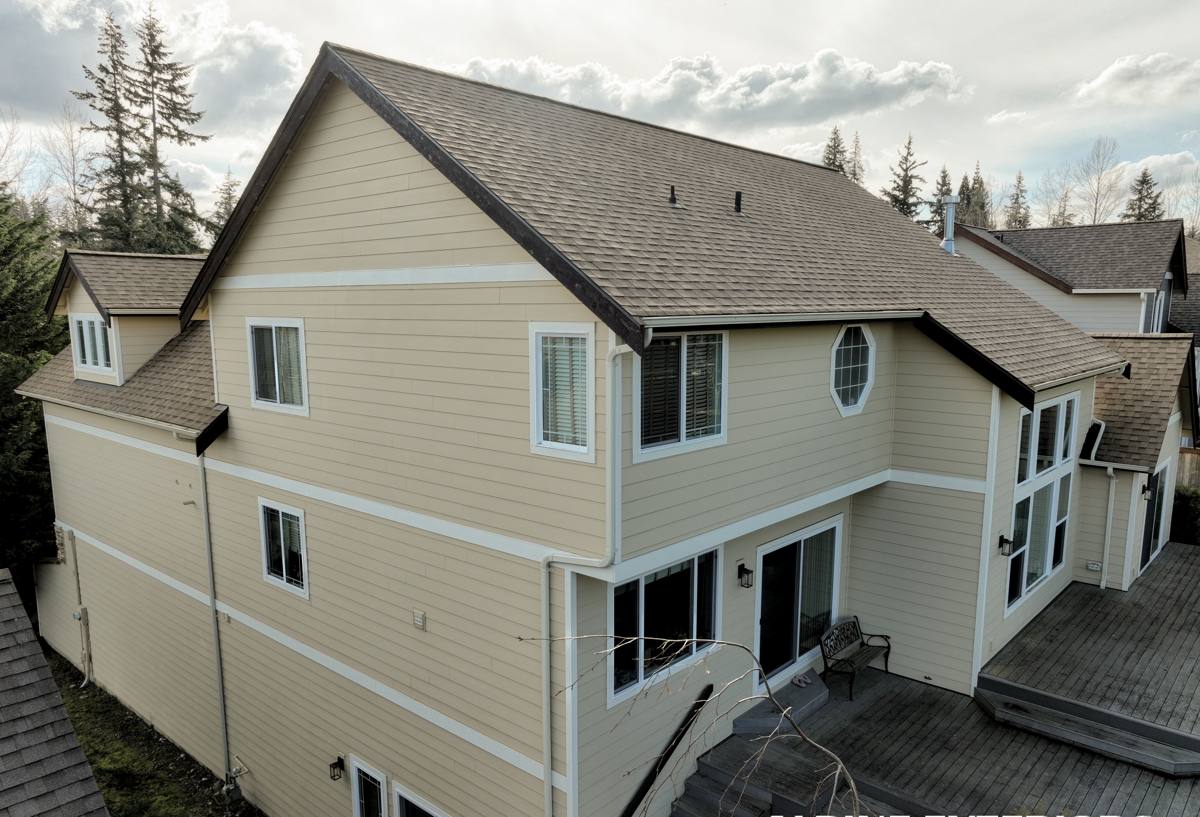
What Dunedin's Climate Actually Demands From a Window
It helps to break down what the coastal Clearwater and Dunedin area throws at a window over its lifespan, because each stressor calls for something specific in the product and the install:
- Hurricane-force wind: requires a frame and glazing system rated for wind load and, in most cases, impact resistance — not just the glass, but the frame anchoring behind it.
- Wind-driven rain: requires correct flashing and sealant detailing around the rough opening, since wind can drive water uphill and sideways through gaps that would never leak in a calm rain.
- Year-round, intense UV: breaks down cheap vinyl, degrades seals, and fades interior finishes if the glass doesn't have adequate UV/solar control coatings.
- Salt air: accelerates corrosion on hardware, fasteners, and any exposed metal components — a bigger issue the closer a home sits to the Sound or the Gulf.
- Humidity and temperature swings: stress seals and insulated glass units over time, which is where you start seeing fogging between panes on older double-pane windows.
None of these show up as a problem on day one. They show up two, five, ten years in — as a soft spot in the frame, a foggy pane, hardware that won't turn, or a leak that only appears during a hard-driving storm. That's why the specification matters more than the sales pitch.
Impact-Rated Windows vs. Standard Windows Plus Shutters
One of the most common questions we get from Dunedin homeowners is whether they actually need impact-rated glass, or whether standard windows with shutters is good enough. Both are legitimate approaches — the right one depends on your budget, how the home is used, and how much you want to deal with storm prep.
| Factor | Impact-Rated Windows | Standard Windows + Shutters |
|---|---|---|
| Storm prep effort | None — windows are always protected | Shutters must be deployed before every storm |
| Upfront cost | Higher per opening | Lower window cost, added shutter cost |
| Daily UV/noise reduction | Better, all year round | No benefit except during storm events |
| Curb appeal | Clean look, no visible hardware when not storming | Shutters or panels visible or stored on-site |
| Insurance consideration | Often qualifies for wind mitigation credit | May qualify depending on shutter type and rating |
| Best fit | Full-time residents, rental properties, second homes | Owners comfortable with manual storm prep |
We install both approaches and we'll walk you through the honest trade-offs for your specific home rather than pushing whichever is more profitable for us. A lot of it comes down to whether you're the one who'll be home to put shutters up before a storm, or whether you want windows that don't need a decision made under pressure.
What a Correct Custom Window Installation Actually Involves
The window itself is maybe half the equation. The other half is the installation detail work that determines whether that window performs the way it's rated to. A correct install in a coastal Pinellas County home includes:
Opening Preparation
Removing the old window down to the rough opening, checking the framing underneath for rot or moisture damage (common in older homes near the water), and correcting the opening if it's out of square before the new unit ever goes in.
Flashing and Water Management
Proper flashing tape and pan flashing at the sill so that any water that does get past the exterior seal drains back out instead of into the wall cavity. This is the single most-skipped step on cut-rate installs, and it's the one that causes hidden rot years later.
Anchoring to Structural Load Requirements
Impact and wind-rated windows are only as good as the fasteners and anchoring holding them to the structure. The frame has to be secured per the manufacturer's tested installation instructions, not just "screwed in until it feels solid."
Sealant and Weatherproofing
Backer rod and sealant compatible with both the window frame material and your exterior finish (stucco, siding, or block), applied so it can flex with temperature movement instead of cracking within a year or two.
Interior Finish Work
Trim, sill, and interior sealing finished cleanly so the install looks intentional, not patched.
Skipping any one of these steps is how a homeowner ends up with a window that's technically "impact-rated" on paper but still leaks or fails prematurely because the installation around it wasn't done to the same standard.
Frame Materials and Glass Options — What Actually Matters Here
Custom windows come down to two core decisions: frame material and glass package. Here's how the common options stack up for a Dunedin home specifically:
| Option | Strengths in This Climate | Trade-offs to Know |
|---|---|---|
| Vinyl frame | Won't corrode in salt air, low maintenance, good value | Lower-grade vinyl can degrade under constant UV over many years |
| Aluminum frame | Strong, narrow sightlines, common in impact-rated systems | Needs a quality finish to resist salt-air corrosion long-term |
| Fiberglass/composite frame | Very stable in heat and humidity swings, low maintenance | Higher upfront cost |
| Laminated impact glass | Holds together under wind-borne debris impact | Adds weight and cost per opening |
| Low-E / solar control coating | Cuts UV fading and heat gain year-round | Slight tint difference some homeowners notice on tinted options |
We don't push one brand as the only answer, because the right choice depends on your home's orientation, your budget, and how long you plan to stay in the house. What we won't do is install a frame or glass package that isn't rated for the wind zone your home sits in — that's a standard we hold regardless of what a homeowner asks for, because an under-specified window is a liability for everyone once a storm comes through.
How Our Process Works
Every custom window job in Dunedin follows the same sequence, whether it's one window or a full-house replacement:
- On-site assessment: We measure every opening individually — no assuming they match — and check the surrounding framing and exterior condition.
- Honest product recommendation: Based on your home's exposure (waterfront-facing vs. inland-facing lots see different wind and salt exposure), we recommend frame and glass options with real trade-offs explained, not just the highest-margin option.
- Written scope and permitting: We handle the permit application through Pinellas County or the City of Dunedin as required, since impact and structural window work generally needs one.
- Removal and prep: Old windows come out, openings get inspected and corrected as needed before anything new goes in.
- Installation to manufacturer spec: Flashing, anchoring, and sealing done to the tested installation method for the specific product — not a generic approach applied to every brand.
- Final inspection and walkthrough: We check operation, seal quality, and finish work with you before calling the job done, and coordinate any required county/city inspection.
A quick pre-storm-season checklist we give Dunedin homeowners regardless of whether they replace windows with us this year:
- Check for soft or discolored areas around window frames — early sign of water intrusion
- Test that every window still opens, closes, and locks fully
- Look for fogging between panes on double-pane windows — a failed seal that won't clear on its own
- Confirm shutters or panels (if that's your storm protection) still fit and are accessible
- Note any windows over 15-20 years old for a closer look — seals and hardware age out even if the glass looks fine
Permitting and Code Considerations Specific to This Area
Pinellas County, including Dunedin, falls within Florida's High-Velocity Hurricane Zone considerations that shape the Florida Building Code's wind-borne debris requirements. In practical terms, that means window replacements here generally require a permit and products with documented wind-load and impact ratings appropriate to your home's specific wind zone — not just "hurricane glass" as a generic marketing term. We pull the required permits as part of the job and make sure the product spec sheet on file matches what's actually installed, since that documentation matters later for insurance and for resale.
Signs Your Current Windows Are Already Failing
Homeowners often call us after noticing one of these, not realizing it usually means the whole window — not just a part of it — needs attention:
- Condensation or fog trapped between panes that won't clear
- Windows that are hard to open, close, or lock — often a sign the frame has shifted or warped
- Visible daylight or a draft around the frame edges
- Soft drywall, staining, or a musty smell near a window after heavy rain
- Chalky, pitted, or corroded hardware and frame finish from long-term salt exposure
Any one of these is worth a look before it becomes a bigger repair, especially heading into storm season.
Why a Crew That Already Works in Dunedin Makes a Difference
Window work here isn't the same as window work in a landlocked market. A crew that already works Dunedin and the broader Clearwater area knows the difference between how a waterfront-facing home ages versus one set back a few blocks, understands the permitting process with the county and city, and has already seen how different frame materials hold up locally over real years, not just on a spec sheet. That familiarity shows up in fewer surprises during the job and a product recommendation that's grounded in what actually performs here — not generic advice pulled from a market with a completely different climate.
If you're weighing whether to repair, replace, or upgrade the windows on a Dunedin home, we're glad to take a look and give you a straight answer — including telling you if replacement isn't necessary yet. Reach out for a free, no-pressure estimate using the form below.