 Clearwater Siding
 Composite Decking Built for Dunedin's Coastal Conditions
Dunedin sits close enough to the Gulf that salt air, humidity, and sun exposure are part of daily life for every outdoor structure in the area. A deck here doesn't just need to look good — it needs to survive intense UV for most of the year, shrug off wind-driven rain during summer storms, and hold up when a tropical system pushes hurricane-force gusts through Pinellas County. Composite decking, installed correctly, handles all of that far better than untreated wood, but "composite" isn't a single product with one set of rules. The board brand, the substructure underneath it, and the way it's fastened all matter more here than they would in a drier, calmer climate.
This page covers what a composite deck actually needs to hold up in Dunedin, what a correct installation looks like, and how our process is built around this specific coastline rather than a generic install checklist.
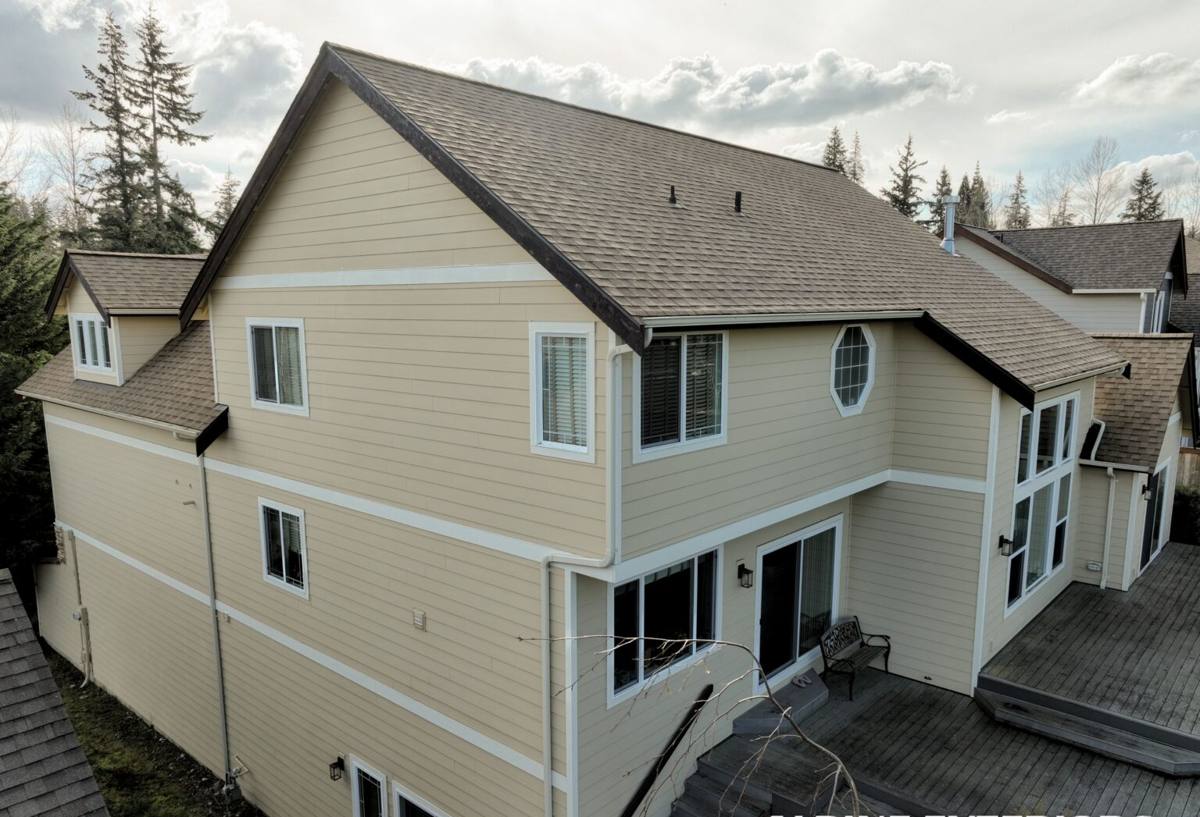
What Dunedin's Climate Actually Does to a Deck
UV and Heat
Florida sun is relentless on exposed decking almost year-round. Lower-quality composite boards can fade, chalk, or soften under sustained UV and surface heat, and dark colors absorb enough heat to become uncomfortable underfoot by midafternoon. Board quality and color choice both matter more here than in northern climates where sun exposure is seasonal.
Wind-Driven Rain and Humidity
Afternoon storms push rain sideways into railings, fascia, and the gaps between boards. Combined with Pinellas County's baseline humidity, any part of the deck structure that can't drain and dry quickly stays damp longer than it should — which is exactly the condition that causes fastener corrosion and substructure rot, even when the decking surface itself is moisture-resistant composite.
Salt Air
Being close to the Gulf means airborne salt reaches structures even a fair distance from the water. Salt accelerates corrosion in fasteners, brackets, and any exposed metal hardware. This is one of the most overlooked failure points on composite decks in this area — the boards hold up fine while cheap or mismatched hardware corrodes underneath them.
Hurricane-Force Wind
Pinellas County sees tropical systems on a regular basis, and a deck attached to a home has to handle uplift and lateral load, not just foot traffic. Railings, ledger board attachment, and post connections are all structural decisions that affect how a deck performs in a storm, not just how it looks on a calm day.
Composite vs. Wood for a Dunedin Deck
We install both, and there are honest trade-offs either way. For most Dunedin homeowners, composite makes sense specifically because of the maintenance and moisture behavior described above — but it isn't automatically the right call for every project, and it comes with its own installation sensitivities.
| Factor | Composite Decking | Pressure-Treated Wood |
|---|---|---|
| UV fading resistance | Good to excellent, varies by product line | Fades and grays without regular sealing |
| Moisture/rot resistance | Board itself won't rot; substructure still can | Vulnerable without diligent sealing and maintenance |
| Maintenance | Periodic cleaning, no sealing or staining | Sealing/staining every 1-2 years in this climate |
| Upfront cost | Higher material cost | Lower material cost |
| Heat underfoot | Can run hotter in dark colors, direct sun | Runs cooler in general |
| Installation sensitivity | Requires correct spacing, fastening, and ventilation | More forgiving of minor installation error |
Neither material is "bad" — the right choice depends on how much upkeep a homeowner wants to commit to over the life of the deck, and what the budget looks like up front versus over time.
What a Correct Composite Deck Installation Involves
Composite boards are only as good as what's underneath and holding them together. A deck that looks fine the day it's finished can develop real problems within a few seasons if the substructure and fastening weren't matched to this climate. The parts that matter most:
Substructure and Ledger Attachment
The framing underneath composite decking should be treated lumber or a rated composite/aluminum joist system, properly flashed where it meets the house. The ledger board connection — where the deck attaches to the structure — is one of the most safety-critical points on the whole project and needs correct flashing to keep wind-driven rain from working its way into the wall assembly behind it.
Fastener Selection
Given the salt air in this area, fastener and bracket material isn't a place to cut corners. Mismatched or lower-grade metal hardware is a common reason decks develop staining, streaking, or weakened connections well before the composite boards themselves show any wear.
Board Spacing and Ventilation
Composite boards expand and contract with heat, and proper gapping between boards (and around fixed objects like posts) is what allows that movement without buckling. Airflow underneath the deck also matters — a low, poorly ventilated substructure stays damp longer after storms, which shortens the life of everything below the composite surface even if the boards on top are rated for wet conditions.
Railings and Structural Connections
Railing posts need solid blocking and correctly rated connectors, not just surface-level attachment to the fascia board. This is what keeps a railing rigid under wind load and everyday use, rather than developing play or flex over time.
Our Installation Process
- On-site assessment — we look at existing structure (if replacing a deck), drainage around the footprint, sun exposure, and how the deck ties into the home.
- Substructure evaluation or build-out — framing is inspected or built to current load and fastening standards, with attention to ledger flashing and post footings.
- Material selection — we walk through composite board options and hardware grade with the homeowner, being upfront about cost differences and what each tier actually buys in durability.
- Installation — boards are fastened with corrosion-resistant hardware, spaced correctly for thermal movement, and finished with proper edge and stair details.
- Railing and safety elements — installed to current code requirements for height and load.
- Final walkthrough — we go over the finished deck with the homeowner, including basic care so the investment holds up.
What Drives the Cost of a Composite Deck in Dunedin
| Cost Factor | Why It Matters Here |
|---|---|
| Deck size and layout | Square footage, stairs, and multiple levels all add labor and material |
| Composite board tier | Higher-tier boards typically offer better UV and stain resistance for long Florida sun exposure |
| Substructure condition | Replacing or reinforcing framing adds cost but is not optional if the existing structure is compromised |
| Hardware grade | Corrosion-resistant fasteners and brackets cost more but matter more near the coast |
| Railing style | Composite, aluminum, or cable railing options vary widely in price |
| Permitting | Pinellas County permitting and inspection requirements add time and fees to most deck projects |
We give straightforward, itemized estimates rather than a single lump number, so homeowners can see where the money is going and make informed decisions about where to spend and where to save.
Maintaining a Composite Deck in This Climate
Composite decking is lower-maintenance than wood, not maintenance-free. In Dunedin's conditions, a simple seasonal routine keeps a deck performing the way it should for the long haul:
- Rinse or sweep off salt residue, pollen, and debris regularly, especially after storms
- Clean with a mild soap and water solution rather than harsh chemicals that can affect the board finish
- Check railing connections and fasteners periodically for any looseness or visible corrosion
- Keep gutters and nearby drainage clear so water isn't pooling near or under the deck
- Inspect the substructure annually if it's accessible, particularly after hurricane season
Permitting and Code Considerations in Pinellas County
Deck construction in this area typically requires a permit, and inspections check things like railing height, guard spacing, structural connections, and load ratings — all of which are more heavily scrutinized in wind-exposed coastal counties than they might be inland. Skipping or shortcutting the permitting process can create real problems at resale, when a home inspector or buyer's insurer flags unpermitted structural work. We handle permitting as a standard part of the job rather than treating it as an optional add-on.
Why Local Experience Matters for This Job
A composite deck built to a generic national spec sheet isn't necessarily built for what Dunedin actually throws at it. A crew that regularly works this stretch of the Pinellas coast already knows which hardware grades hold up against salt air, how local wind exposure should shape railing and post decisions, and what Pinellas County inspectors are actually looking for during a deck inspection. That familiarity shows up in fewer surprises during the build and a deck that performs the way it's supposed to for years, not just on the day it's finished.
What to Ask Before Hiring a Deck Contractor
- Do they pull permits and handle inspections directly, or leave that to the homeowner?
- What fastener and hardware grade do they use, and is it appropriate for coastal salt exposure?
- Can they explain how they handle ledger board flashing and substructure ventilation?
- Do they have experience with the specific composite brand being considered?
- Is the estimate itemized, or a single vague number?
Get a Straightforward Estimate
If you're considering a new composite deck or replacing an aging one in Dunedin, we're glad to take a look and walk through what your home and site actually need — no pressure, no upsell. Fill out the form below for a free estimate.