 Clearwater Siding
 Skycrest Roofs Work Harder Than Most
Skycrest is one of Clearwater's older, established residential neighborhoods, with a housing stock that spans mid-century ranch homes to newer infill construction. A lot of the roofs covering those homes were installed decades ago, under building codes that didn't account for the wind loads Pinellas County now requires. If your roof is original to the house or hasn't been replaced since before the mid-2000s, it's probably not built to the standard a new roof would be held to today.
That gap matters here more than in most parts of the country. A roof in Clearwater isn't just shedding rain — it's absorbing intense, near-constant UV exposure, taking wind-driven rain sideways during summer storms, and sitting a short drive from salt air that accelerates corrosion on every metal component up there: nails, flashing, vents, drip edge. Add hurricane-force wind events to that list and you've got a roof system that ages faster here than it would inland. A correctly installed new roof accounts for all of that from day one, not as an afterthought.
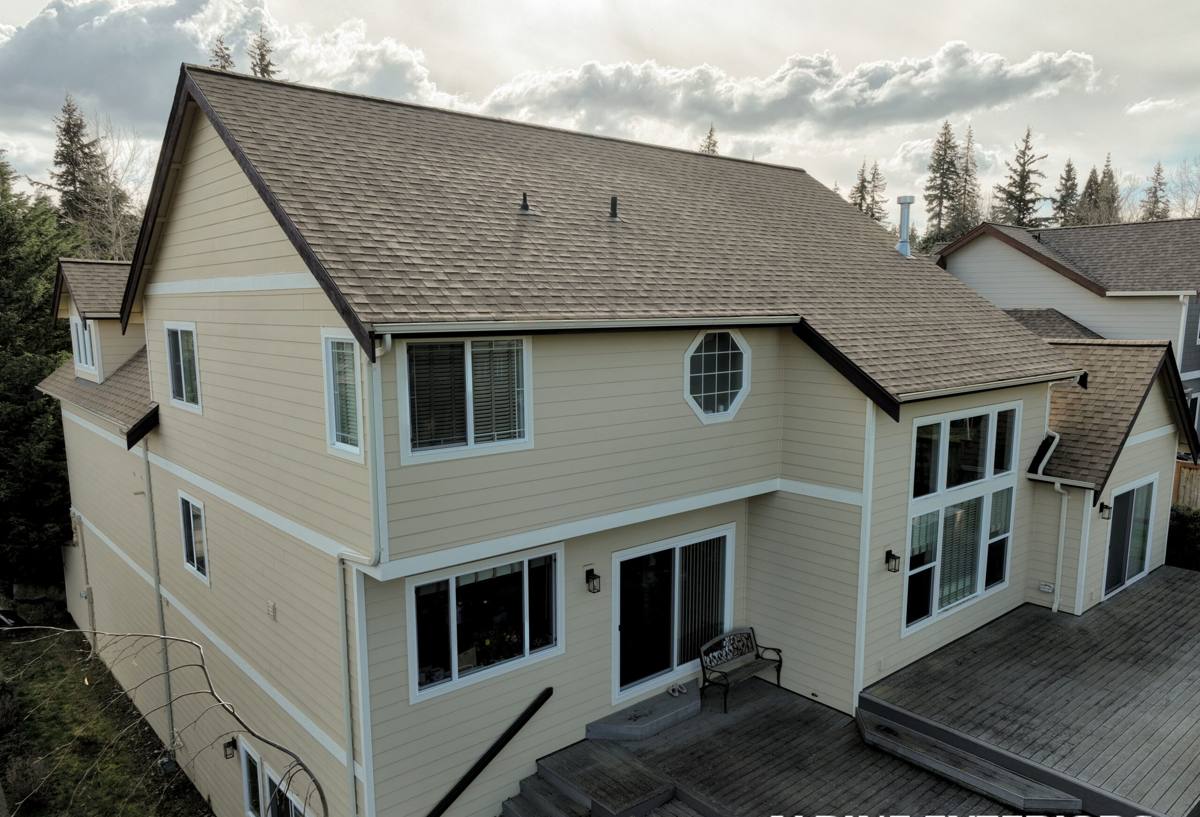
Signs a Skycrest Home Needs Replacement, Not a Repair
Homeowners often call us for a repair and find out the roof is past the point where patching makes sense. Some signs are obvious from the ground; others take a trained eye or an attic inspection to catch.
- Shingles that are curling, cupping, or losing significant granule coverage — you'll often see the granules collecting in gutters
- Multiple repair patches across different sections of the roof, which usually means the underlying material is failing broadly, not in one spot
- Soft spots or sagging when walked, which can indicate deck rot from long-term moisture intrusion
- Daylight visible through the roof deck from inside the attic, or water stains on attic framing
- A roof approaching or past 20 years old, even if it "looks fine" from the street
- Missing or lifted shingles after a wind event, especially if it's happened more than once in recent seasons
- Rising energy bills tied to poor attic ventilation or degraded insulation from past leaks
If a couple of these apply, it's worth having someone look at the whole system — deck, flashing, ventilation — before deciding between repair and replacement.
What a Correct New Roof Installation Actually Involves
A new roof is more than laying down new shingles. The parts you don't see are what determine whether the roof performs in a hurricane or just looks good until the first bad storm. We treat every layer as part of one system, not a stack of separate products.
Tear-Off and Deck Inspection
We remove the old roofing down to the deck rather than layering over it. That's the only way to actually see the plywood or OSB underneath — soft, delaminated, or water-damaged decking has to be identified and replaced before anything new goes down, because no underlayment or shingle will hold up over a compromised deck.
Underlayment and Water Barrier
Given how much wind-driven rain this area sees, the underlayment layer matters as much as the shingles themselves. Self-adhering waterproof underlayment at eaves, valleys, and penetrations gives the roof a secondary line of defense if wind ever drives water up under the primary roofing material.
Flashing at Every Penetration
Chimneys, vents, skylights, and wall-to-roof transitions are where the majority of leaks actually start — not in the open field of shingles. New, properly lapped flashing at every one of these points is non-negotiable on our installs, not an area to reuse old metal to save time.
Wind-Rated Fastening
Nail pattern and fastener count are what separate a roof that meets code from one that's actually built for Florida wind speeds. We follow manufacturer wind-rated installation specs, not the minimum nail count, so the roof qualifies for the wind rating it's sold with — and so it stays on your house.
Attic Ventilation
A new roof is the right time to correct ventilation problems. Balanced intake and exhaust airflow keeps attic temperatures and moisture in check, which extends the life of the new roofing material and helps with energy efficiency year-round.
Final Inspection
Before we consider the job done, we walk the completed roof to check flashing, fastening, ridge lines, and cleanup — and we coordinate the required municipal inspection so the work is documented and permitted correctly.
Roofing Material Options for Skycrest Homes
There's no single "best" roofing material — the right choice depends on your home's structure, your budget, and how long you plan to stay in the house. Here's an honest comparison of the main options we install in this area.
| Material | Typical Lifespan | Wind Performance | Considerations |
|---|---|---|---|
| Architectural asphalt shingles | 20–30 years | Good, when wind-rated and properly fastened | Most common choice; wide range of colors; lower upfront cost |
| Standing seam metal | 40–50+ years | Excellent | Higher upfront cost; reflects heat well; fewer seams for water to find |
| Tile (concrete or clay) | 50+ years | Very good when properly installed and fastened | Heavier — requires structural check; higher cost; longer install time |
| 3-tab asphalt shingles | 15–20 years | Lower wind rating than architectural shingles | Lowest upfront cost; we generally steer clients toward architectural shingles instead given local wind exposure |
For most Skycrest homes we install architectural shingles rated for high wind speeds — they balance cost, appearance, and durability well for this climate. Metal and tile are strong options for homeowners planning to stay long-term or wanting to minimize future replacement cycles, but they come with a higher upfront investment and, for tile, a structural evaluation to confirm the roof framing can carry the added weight.
Our New Roof Installation Process, Start to Finish
- Inspection and estimate. We walk the roof and attic, document the condition, and give you a written estimate with no pressure to decide on the spot.
- Material selection. We go over the options above in terms of your budget, how long you're planning to stay in the home, and any HOA or aesthetic considerations.
- Permitting. We pull the required City of Clearwater or Pinellas County permit before work begins — this isn't optional, and it protects you if there's ever an insurance question down the line.
- Tear-off and deck repair. Old roofing comes off, the deck is inspected, and any damaged plywood or OSB is replaced.
- Underlayment, flashing, and installation. The new system goes down in the order and with the fastening pattern the manufacturer specifies for high-wind installations.
- Cleanup. We run a magnetic sweep for nails and clear debris — leaving your property, driveway, and landscaping clean.
- Final inspection. We coordinate the municipal inspection and walk you through the completed roof before we consider the job closed.
Permits, Wind Mitigation, and Insurance in Pinellas County
Every new roof installation in Clearwater requires a permit, and the completed work has to pass a municipal inspection before it's considered finished. Skipping this step — which some lower-cost operators do — leaves you without documentation if you ever need to file an insurance claim or sell the home.
A new roof is also the point where a wind mitigation inspection makes the most sense. Florida insurers offer premium discounts for roofs that meet certain wind-resistance criteria — things like the roof covering type, deck attachment method, and roof-to-wall connections. If you're replacing your roof anyway, it's worth asking your contractor to document these details so you can pursue the discount with your insurer afterward.
Cost Factors for a New Roof
Roofing costs vary by home size, pitch, material, and what's found once the old roofing comes off. Rather than quote a number that won't match your specific home, here's what actually drives the price up or down.
| Factor | Effect on Cost |
|---|---|
| Roof size and number of stories | More square footage and steeper access generally increase labor cost |
| Roof pitch and complexity | Multiple valleys, dormers, and roof lines take more time and material than a simple gable roof |
| Material choice | Asphalt shingles are the most budget-friendly; metal and tile cost more upfront but last longer |
| Deck condition | Rotted or damaged plywood found during tear-off adds material and labor not visible in an initial estimate |
| Ventilation upgrades | Adding or correcting intake/exhaust ventilation adds modest cost but pays off in roof life and energy efficiency |
| Permit and inspection fees | Set by the municipality, not the contractor, and required regardless of who does the work |
We give a written, itemized estimate after the inspection so you know exactly what you're paying for and why — not a rough number pulled from square footage alone.
What to Expect During the Project
- Most residential re-roofs are completed in one to a few days, weather permitting
- Expect noise and vibration during tear-off and nailing — plan around it if you work from home
- Dumpster or debris trailer will be on-site for the duration of the job
- We'll cover landscaping, AC units, and pool equipment near the work area before starting
- Florida summer weather can cause short weather delays — we'll communicate proactively if that happens
- A magnetic nail sweep is part of our standard cleanup, not an upsell
Why Hire a Crew That Already Works in Skycrest
Roofing code, permitting requirements, and wind-rating standards vary by jurisdiction, and Pinellas County has its own inspection process. A crew that regularly works in and around Clearwater already knows the local permitting office, the typical construction of homes in this neighborhood, and the wind and moisture conditions the roof actually has to survive here — not generic specs from a manufacturer's national guidelines.
That familiarity shows up in small but real ways: knowing which older Skycrest homes are more likely to have deck issues under the shingles, understanding how salt air affects fastener and flashing choices near the coast, and being available for follow-up if a question comes up after a storm. A roof is a long-term investment in your home — it's worth having a contractor who's still local when you need them again.
If your roof is showing its age or you just want an honest opinion on where it stands, we're happy to take a look. Reach out for a free, no-pressure estimate using the form below — we'll walk the roof, tell you what we find, and give you a straight answer either way.