 Clearwater Siding
 Roofing Built for Harbor Oaks Conditions
Harbor Oaks homes sit close enough to the water that the roof over your head is doing more work than the same roof would do twenty miles inland. Salt air corrodes exposed metal faster, intense year-round UV bakes shingle mat and asphalt oils, wind-driven rain finds every gap in flashing and underlayment, and hurricane-force gusts test every nail, clip, and seam at once. None of that is unique to one street or subdivision, but it's the reality every roof in this part of Clearwater has to stand up to, year after year.
Asphalt shingle roofing remains the most common and, when installed correctly, one of the most cost-effective roofing systems for this climate. The key phrase is "installed correctly." A shingle roof that looks fine from the street can still be missing the underlayment, fastening pattern, or flashing details that actually determine whether it survives the next tropical system. We install and repair asphalt shingle roofs across Harbor Oaks with those Pinellas County conditions as the starting assumption, not an afterthought.
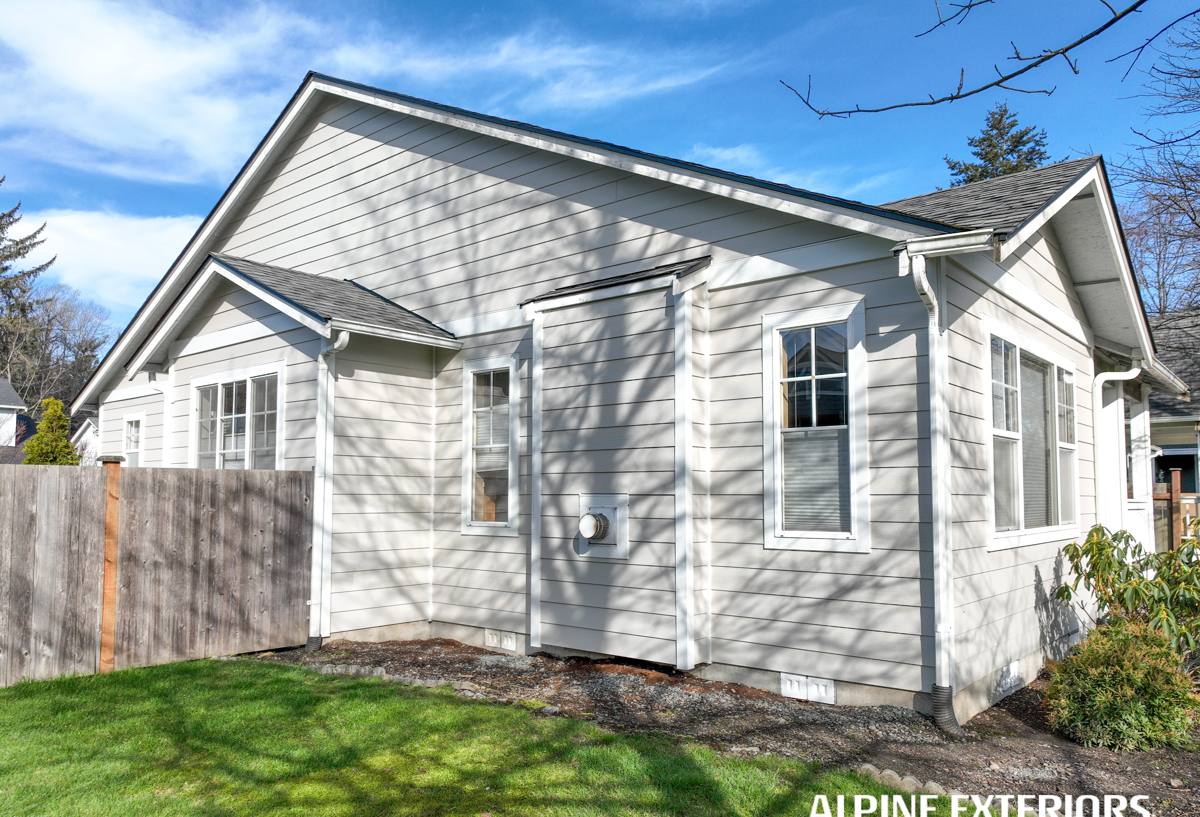
What Local Homes Actually Need From a Shingle Roof
A roof spec written for a dry, mild climate doesn't hold up here. Homes in Harbor Oaks need a few things a generic shingle job may skip:
- Wind resistance rated for the sustained gusts and gust-front pressure this coastal stretch of Florida sees, not just the manufacturer's base rating
- A sealed, self-adhering underlayment at eaves, valleys, and penetrations — not just felt paper — so wind-driven rain that gets under a lifted shingle still has nowhere to go
- Corrosion-resistant flashing and fasteners, since standard galvanized metal degrades faster this close to the Gulf
- Balanced attic ventilation so summer heat doesn't cook the shingles from underneath and shorten their service life
- A nailing pattern and shingle class that actually meets current Florida Building Code wind provisions for this zone, verified, not assumed
Skip any one of these and the roof may look identical to a properly built one for the first year or two. The difference shows up during the first real storm or the first UV-heavy summer, which is exactly when you don't want to find out.
What a Correct Installation Actually Involves
Deck Inspection Before Anything Goes Down
Every tear-off starts with the roof deck exposed and inspected. Soft, delaminated, or water-stained plywood gets replaced before a single shingle goes on — covering a bad deck with new shingles just hides the problem and shortens the life of everything above it.
Underlayment and Water Barrier
We install a full synthetic or self-adhering underlayment system, with peel-and-stick membrane at eaves, valleys, sidewalls, and any roof penetration — the spots wind-driven rain actually gets through. This is the layer that keeps water out of the house even if a shingle is damaged or lifted during a storm.
Flashing at Every Transition
Chimneys, skylights, wall intersections, and vent stacks all need properly formed and sealed flashing, not just a bead of roofing cement. Cement fails; correctly lapped and fastened metal flashing doesn't rely on a sealant staying flexible for twenty years in Florida sun.
Fastening to Wind Rating
Nail count, placement, and pattern determine a shingle roof's actual wind performance far more than the shingle brand does. We fasten to the manufacturer's high-wind specification and current code requirements for this area, not the minimum.
Comparing Shingle Options for This Climate
Not every asphalt shingle is built the same, and the differences matter more here than in a milder climate. This is a general comparison to help frame the conversation — your roofer should walk you through actual product lines and current pricing during an on-site estimate.
| Shingle Type | Typical Wind Rating | UV/Heat Behavior | Best Fit |
|---|---|---|---|
| 3-tab (standard) | Lower end of the range | Thinner mat, ages faster under constant sun | Budget-conscious, non-coastal-exposure projects |
| Architectural / laminate | Mid-to-high, varies by line | Thicker mat, better heat and impact tolerance | Most Harbor Oaks homes — the standard recommendation |
| High-wind / impact-rated laminate | Highest available in asphalt | Reinforced mat, holds up best to sustained UV and hail | Homes wanting maximum storm resilience or insurance credit |
We generally steer homeowners here toward architectural shingles at minimum. The extra material cost is modest compared to the difference in wind performance and how the roof looks and holds up after a few Florida summers.
Signs Your Harbor Oaks Roof Needs Attention
Salt air and UV exposure don't always announce themselves with an obvious leak. A lot of roof damage in this area shows up as small, easy-to-miss signs first:
- Granules collecting in gutters or at downspout discharge points
- Shingle edges that look curled, cupped, or lifted, especially on the roof's south and west-facing slopes
- Dark streaking or algae growth, which usually points to moisture retention, not just cosmetics
- Soft spots or slight sagging when walked, which can mean deck moisture underneath
- Visible corrosion or rust streaking around flashing, vents, or valleys
- Missing or displaced shingles after any significant wind event, even if there's no visible interior leak yet
- Interior ceiling stains, especially near chimneys, skylights, or exterior walls
Any one of these is worth a look before it becomes a bigger repair. Catching lifted flashing or a few displaced shingles early is a small job; catching it after a season of water intrusion into the deck is not.
Our Process, Start to Finish
We keep the process straightforward and communicate at each step, because a roof replacement is disruptive enough without surprises:
- On-site inspection and estimate — we look at the existing roof, deck condition where accessible, ventilation setup, and any problem areas, then walk you through options and honest pricing.
- Material selection — we help you weigh shingle class, wind rating, and color against your budget and how long you plan to be in the home.
- Permitting — roofing work in Pinellas County requires a permit; we handle the paperwork and inspections so you don't have to chase it down.
- Tear-off and deck check — old roofing comes off, the deck is inspected and repaired as needed before anything new goes down.
- Underlayment, flashing, and shingle installation — built to the wind and moisture standards outlined above, not just to pass a quick visual.
- Cleanup and final walkthrough — magnetic sweep for stray nails, debris hauled off, and a walkthrough so you know exactly what was done.
Ventilation: The Part Homeowners Often Skip
A shingle roof isn't just the shingles — it's a system that includes how heat and moisture move through the attic. In Florida's year-round sun, an under-ventilated attic can push temperatures high enough to accelerate shingle aging from underneath, sometimes voiding manufacturer warranties in the process. It also drives up cooling costs, since a hot attic radiates heat straight into the living space below.
We check intake and exhaust ventilation balance as part of every roofing estimate, not as an upsell after the fact. Ridge vents, soffit vents, and attic fans all play a role depending on your roof's shape and existing setup, and getting that balance right is one of the more overlooked factors in how long a new roof actually lasts here.
Permits, Codes, and Insurance Considerations
Florida Building Code sets specific wind-uplift and fastening requirements for roofing in coastal counties, and Pinellas County enforces its own permitting and inspection process on top of that. A properly permitted, code-compliant install matters for more than avoiding fines — it's often directly tied to whether your homeowner's insurance will fully cover storm damage down the line, and whether a future buyer's inspection turns up red flags at closing.
We pull the required permits, schedule inspections, and keep documentation you can hand to your insurance carrier showing the roof meets current wind-mitigation standards. That paperwork can also support wind-mitigation insurance discounts, depending on your policy and carrier.
After Installation: Keeping a Shingle Roof Sound
A correctly installed shingle roof still benefits from basic upkeep in this climate. A yearly visual check — or a check after any major storm — for lifted shingles, damaged flashing, or clogged gutters goes a long way. Keeping gutters clear prevents water from backing up under the shingle edge, and trimming back overhanging branches reduces both debris buildup and abrasion damage during high wind. None of this is complicated, but skipping it is how a small, cheap fix turns into a deck repair a few years later.
Why Local Experience in Harbor Oaks Matters
A crew that already works this part of Clearwater knows the wind exposure patterns specific to homes near the water, has a working relationship with the Pinellas County permitting office, and has seen firsthand what fails first on roofs out here versus roofs further inland. That's the difference between a generic install and one built for what this neighborhood's roofs actually face — salt air corrosion, sustained coastal wind loads, and relentless UV, all at once, every year.
If you're weighing a repair, a full replacement, or just want an honest read on where your current roof stands, we're glad to take a look. Use the form below to request a free, no-pressure estimate for your Harbor Oaks home.