 Clearwater Siding
 Window Replacement Built for Downtown Clearwater's Conditions
Downtown Clearwater sits close enough to the water that its housing stock — a mix of older bungalows, mid-century homes, and newer infill construction — takes a different kind of beating than homes further inland in Pinellas County. Windows here aren't just an energy-efficiency upgrade or a cosmetic decision. They're a structural component that has to hold up against hurricane-force wind loads, near-constant UV exposure, wind-driven rain that finds every gap in a bad install, and salt-laden air that accelerates corrosion on hardware and frames. When we replace windows in this neighborhood, we're not installing the same product we'd put in a house forty miles inland. The approach has to account for what the local climate actually does to a building envelope over time.
This page covers what window replacement specifically for Downtown Clearwater homes should involve — the products, the installation details that matter, and what a homeowner should expect from a contractor who actually understands this stretch of coastline.
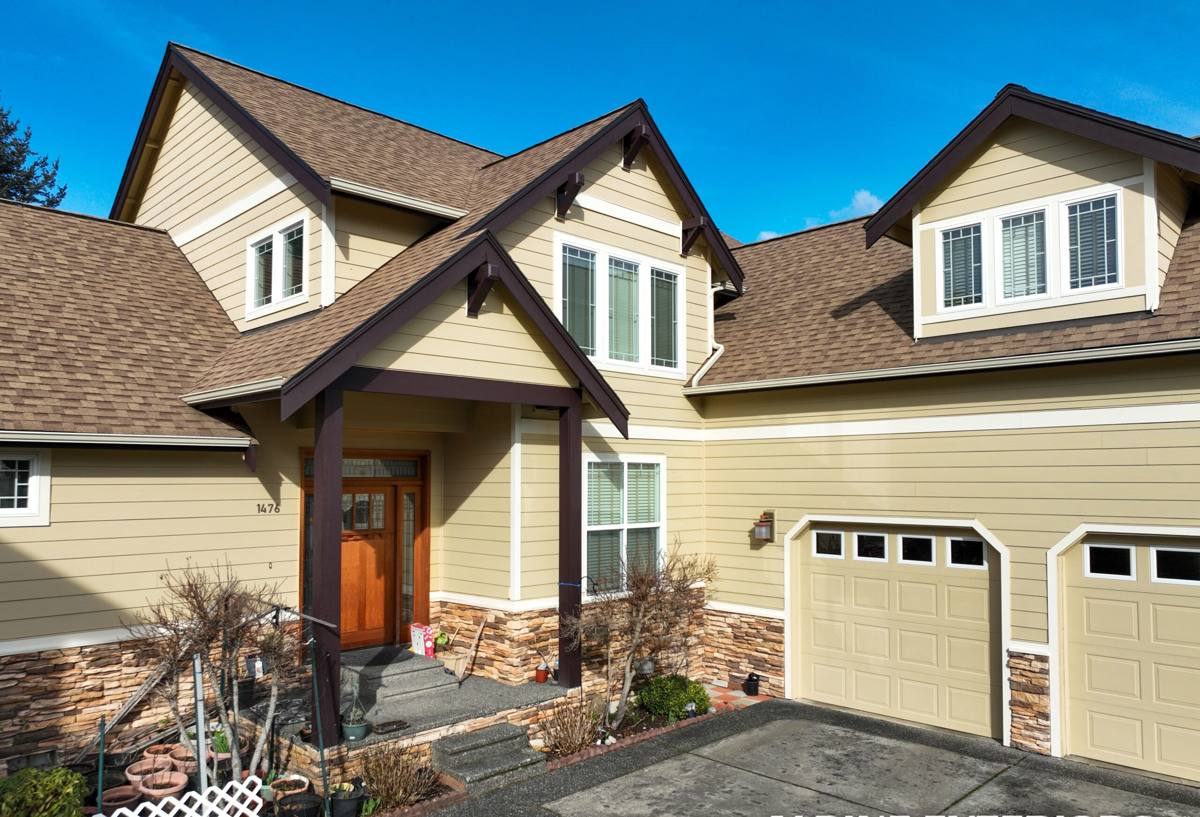
What Clearwater's Climate Does to Windows Over Time
Hurricane-Force Wind Loads
Pinellas County is under Florida Building Code wind-borne debris requirements, which means window products installed here need to meet specific impact and pressure ratings depending on the exact location and exposure of the home. Wind doesn't just push against glass — it creates pressure differentials that can pull a poorly anchored frame away from the rough opening. We've seen homes where the glass itself was fine after a storm, but the frame had shifted because the fasteners or anchoring weren't sized correctly for the wind zone.
Year-Round UV Exposure
Clearwater doesn't get a real winter break from sun exposure. UV breaks down vinyl, degrades seals, and fades interior finishes faster than in most parts of the country. Cheaper vinyl frames can start to chalk, warp, or go brittle years before they would in a milder climate. This matters when you're comparing frame materials and warranties — a warranty written for a national average climate doesn't always reflect what happens to a window that sits in direct Florida sun for a decade-plus.
Wind-Driven Rain
A window can be rated for wind and still leak if it's installed wrong. Wind-driven rain doesn't fall straight down — storms push it sideways and upward into gaps that would never see water in a calm rain. Flashing details, sill pan design, and sealant work matter as much as the window product itself. Most leak problems we get called out to inspect aren't a bad window — they're a window that was set without proper flashing or with sealant as the only water management strategy.
Salt Air and Corrosion
Being close to the Intracoastal and Gulf means airborne salt settles on everything, including window hardware. Locks, hinges, and cranks made from lower-grade metals corrode faster here. We look at hardware material and finish just as closely as we look at the glass package, because a window that operates smoothly for years matters as much as one that survives a storm.
Impact-Rated vs. Standard Windows: What Actually Changes
Homeowners often ask whether they need full impact-rated windows or whether a standard window paired with code-approved shutters is enough. Both are legal paths under Florida Building Code depending on your specific wind zone and exposure category, but they come with real tradeoffs worth understanding before you decide.
| Factor | Impact-Rated Windows | Standard Windows + Shutters |
|---|---|---|
| Upfront cost | Higher per opening | Lower window cost, added shutter cost |
| Storm prep | None needed — always protected | Shutters must be installed before every storm |
| Daily use | Full light and view at all times | Full light and view when shutters are open |
| Insurance impact | Often qualifies for windstorm mitigation credits | May qualify depending on shutter type and rating |
| Noise and UV control | Laminated glass reduces both year-round | Standard glass performance unless shutters are up |
| Maintenance | Frame and seal upkeep only | Frame, seal, and shutter hardware upkeep |
There isn't a universally "right" answer — it depends on budget, how the home is used, and whether you want one-time protection built in versus a lower entry cost with an ongoing storm-prep routine. We'll walk through what applies to your specific address and wind zone rather than pushing one product across the board.
What a Correct Window Replacement Actually Involves
The window unit itself is maybe half the job. The other half is everything around it — and that's where most long-term problems start if it's rushed.
- Rough opening inspection: checking the framing around each window for rot, prior water damage, or settling before anything new goes in.
- Correct sizing and shimming: a window that's forced into an opening that's slightly out of square will bind, leak, or stress the frame over time.
- Sill pan flashing: creating a drainage path so any water that gets past the exterior seal has somewhere to go besides your wall cavity.
- Proper fastening for wind zone: anchor type, spacing, and embedment sized to the product's tested installation instructions and the home's wind rating — not a generic pattern.
- Sealant as backup, not primary defense: sealant should reinforce a mechanically sound flashing and drainage system, never substitute for one.
- Interior and exterior trim finish: proper insulation around the frame and clean trim work so the finished opening is sealed against air and moisture intrusion, not just visually complete.
Skipping any one of these steps can leave a window that looks fine from the curb but underperforms the moment a real storm hits or leaks quietly into the wall cavity for years before anyone notices.
Our Process for a Downtown Clearwater Window Replacement
1. On-Site Assessment
We walk the property, check each opening, note any framing or moisture issues, and talk through what you're trying to solve — energy costs, storm protection, aging windows, or a combination.
2. Product Selection
We go over frame materials, glass packages, and impact ratings appropriate to your wind zone, and give you honest tradeoffs rather than steering you toward whatever has the best margin.
3. Permitting
Window replacement in Pinellas County typically requires a permit, and impact-rated products need to be documented against the Florida Building Code approval for that specific unit. We handle this so you're not left guessing whether your install is compliant.
4. Removal and Prep
Old units come out carefully to protect interior finishes and existing siding or stucco, and we inspect the opening for any damage that needs to be addressed before the new window goes in.
5. Installation
Flashing, shimming, anchoring, and sealing done to manufacturer specs and local code — not shortcuts to save an hour per opening.
6. Final Inspection and Walkthrough
We check operation on every window, confirm the finish work, and walk you through anything you need to know about maintenance or warranty registration.
Signs Your Windows Need Replacing
- Visible fogging or moisture between glass panes (failed seal)
- Frames that feel soft, warped, or show cracking from UV exposure
- Difficulty opening, closing, or locking — often a sign of frame shift or corroded hardware
- Noticeable drafts or a spike in cooling costs during summer months
- Water staining on interior sills or drywall near the window after storms
- Single-pane or older aluminum-frame windows with no impact rating in a hurricane-exposed home
- Visible daylight or gaps around the frame when the window is closed
Permits, Codes, and Older Downtown Clearwater Housing Stock
A lot of homes in and around Downtown Clearwater predate current wind-load and impact requirements. That's normal, but it means a straightforward window swap sometimes uncovers an opening that isn't quite square, framing that's seen past moisture intrusion, or trim details that don't match current materials. None of that is unusual for a home built decades ago — it just means the plan should account for it upfront rather than getting discovered mid-install. We pull permits, document impact ratings against the applicable code, and won't quietly skip a step to save time, because an uninspected or improperly permitted install can become a real problem later — at resale, at insurance renewal, or after a storm.
Why the Installing Crew Matters As Much As the Window Brand
Two identical windows installed by two different crews can perform completely differently five years later. The product only does its job if the opening underneath it was prepped correctly and the flashing, anchoring, and sealing were done to spec — not to whatever's fastest. A crew that regularly works in this area already understands Pinellas County's permitting process, knows what wind zone requirements apply block by block, and has seen firsthand what wind-driven rain and salt air do to a bad install over time. That local familiarity shows up in fewer surprises during the job and fewer callbacks after it — because the details that matter here aren't guesswork, they're routine.
If you're weighing whether to replace one damaged window or take on a full-home upgrade, we're happy to walk the property, answer questions honestly, and put together a straightforward estimate — no pressure, no pushy sales tactics. Use the form below to get started.