 Clearwater Siding
 Why Safety Harbor Decks Wear Out Faster Than the Manual Says
Safety Harbor sits right on Old Tampa Bay, and that waterfront position is exactly what makes deck replacement a different job here than it would be twenty miles inland. Every deck in this part of Pinellas County is fighting the same three things at once: constant UV exposure, salt-laden air pulling moisture in and out of wood fibers, and the occasional hurricane-force wind event that tests every fastener and connection you have. None of these problems show up overnight. They show up as a slow accumulation — a board that used to be flat now cups slightly, railing posts that wiggle a little more than they did two summers ago, fasteners with rust bleed around the heads. By the time a deck feels unsafe to stand on, the damage has usually been building for years.
A deck replacement done right for a Safety Harbor property isn't just swapping old boards for new ones. It's rebuilding the structure with materials and connection details chosen for this specific coastal-adjacent climate, not for a generic national spec.
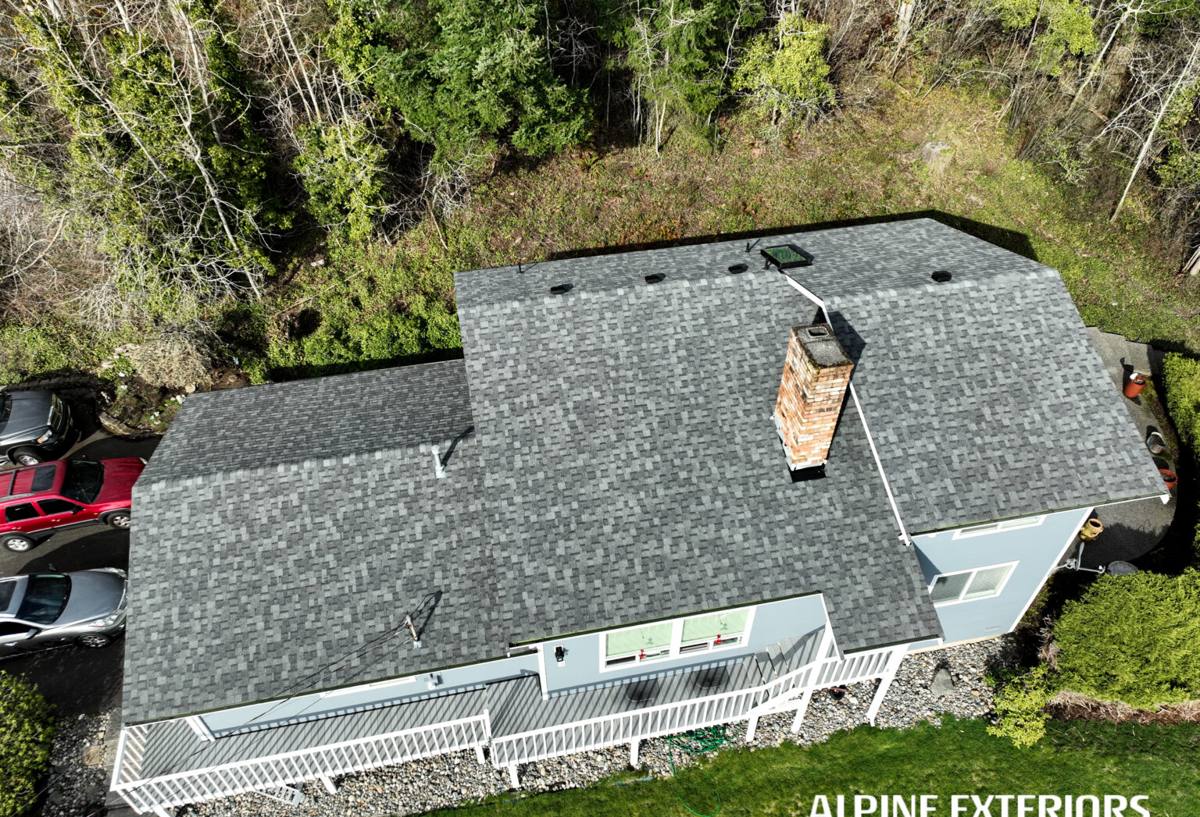
What the Clearwater and Pinellas County Climate Actually Does to a Deck
Sun and Heat
Florida sun is relentless on horizontal wood surfaces. UV breaks down the lignin that holds wood fibers together, which is why an unsealed or under-maintained deck board goes gray and starts to splinter well before it structurally fails. Composite and PVC decking resist this better than wood, but even those products vary a lot in how they handle heat buildup and fading, which matters for a deck that gets sun most of the day.
Wind-Driven Rain and Humidity Swings
Pinellas County doesn't get gentle rain most of the year — it gets short, hard, wind-driven downpours that push water sideways into gaps, under railings, and around post bases. Combined with the humidity swings between a soaked morning and a baking afternoon, wood framing expands and contracts constantly. That cycle is what loosens fasteners and opens up small gaps where rot gets started.
Salt Air
Being close to the bay means salt is in the air even without direct spray. Salt accelerates corrosion on any exposed metal — screw heads, joist hangers, bolts, railing brackets — far faster than it would forty miles inland. A deck built with standard, non-coated fasteners in this environment will show rust streaking and metal fatigue years ahead of schedule.
Storm Wind Loads
Hurricane season puts real lateral and uplift forces on an elevated deck, especially on railings and ledger connections. A deck that was built to minimum code decades ago, or built without a permit at all, often doesn't have the connection hardware to handle that load safely today.
Signs a Safety Harbor Deck Needs Replacement, Not Repair
- Soft, spongy, or spring-feeling spots when you walk across the deck
- Visible rot or dark staining at the ledger board where the deck meets the house
- Railing posts that flex or wiggle when pushed
- Rust streaking around fastener heads or joist hangers
- Boards that are cupped, splitting, or pulling away from framing
- Any deck built without a permit, or one you can't confirm was inspected
- Stairs that feel bouncy or uneven underfoot
- A deck older than 15-20 years that has never had structural framing replaced
If it's just a handful of surface boards showing wear on an otherwise sound frame, repair can make sense. Once the framing, ledger, or fastener system is compromised, patching individual boards is a short-term fix on a structure that's still failing underneath.
What a Correct Deck Replacement Includes
Structural Framing First
The framing is what actually holds people up — the decking material is just the surface. A proper replacement means new or inspected joists, beams, and posts sized for the actual span and load, not just whatever dimension was there before. In this climate, we favor pressure-treated framing lumber with corrosion-resistant fastener systems rated for coastal exposure, because standard hardware corrodes noticeably faster this close to the bay.
The Ledger Connection
The ledger board — where the deck attaches to the house — is the single most common failure point on residential decks nationwide, and it's an even bigger concern in a wet, humid climate. Proper flashing, correct fastener spacing, and a code-compliant connection to the house structure are non-negotiable. This is also where a lot of older or DIY decks cut corners, because it's hidden once the decking goes down.
Post Bases and Footings
Footings need to be sized and set to local frost-free, load-bearing standards, with post bases that keep wood from sitting in standing water after a downpour. Ground contact in Florida means near-constant moisture exposure at the base of every post — this is a common early rot point if it's not detailed correctly.
Fasteners and Hardware
Given the salt air, we spec fastener and connector hardware rated for coastal or wet-environment use — not the cheapest box of deck screws available. This is a relatively small cost difference over the life of the project and a large difference in how long the deck lasts before hardware starts failing.
Railings
Railings take direct wind load and constant hand contact. Posts need solid blocking and connection back into the framing, not just surface-mounted brackets, so they don't loosen over a few storm seasons.
Choosing Decking Material for a Bay-Adjacent Property
| Material | How It Handles This Climate | Maintenance | Typical Lifespan Here |
|---|---|---|---|
| Pressure-treated wood | Affordable, but needs sealing regularly to resist UV and moisture cycling | Annual cleaning/sealing recommended | 10-15 years before major issues |
| Composite decking | Resists rot and UV fading much better than wood; some early-generation products had moisture issues at cut edges | Periodic cleaning, no sealing | 20-30 years, product-dependent |
| PVC/capped polymer decking | Fully sealed surface, best resistance to moisture and salt air of the common options | Low — occasional cleaning | 25+ years, product-dependent |
| Tropical hardwood | Naturally dense and rot-resistant, but installation-sensitive and requires periodic oiling to hold color | Regular oiling to prevent graying | 20-25 years with maintenance |
We don't push one material on every homeowner. Budget, how much upkeep you actually want to do, and how the deck sits relative to sun and rain exposure all factor into what makes sense. What we will always be direct about is the trade-offs — a low-maintenance capped product costs more up front but saves years of sealing and staining; a wood deck costs less initially but only lasts as advertised if it's actually maintained on schedule.
Our Deck Replacement Process
- On-site assessment — we inspect the existing structure, ledger connection, footings, and framing to determine what's actually failing versus cosmetic
- Written scope and material options — a clear plan showing what's being replaced, the decking material options, and honest pricing ranges before any demo starts
- Permitting — deck replacements typically require a permit in Pinellas County; we handle that paperwork rather than skipping it
- Demolition — full removal of failing decking, framing, and any compromised ledger or post connections
- Structural rebuild — new framing, ledger flashing, footings, and coastal-rated hardware installed to code
- Decking and railing installation — your chosen material installed with proper spacing for drainage and expansion
- Final walkthrough and inspection sign-off — we confirm the work with you and make sure permitting closeout is complete
Why It Matters That We Already Work Safety Harbor and Clearwater
A deck replacement crew that works this specific area regularly already knows what the Pinellas County permitting process expects, what fastener and framing specs actually hold up against salt air and storm wind here, and what footing depth and drainage detailing make sense for local soil and water table conditions. That's different from a crew running a generic national playbook on a job an hour from where they usually work. Familiarity with Safety Harbor's coastal exposure isn't a marketing point — it directly affects whether the ledger flashing, hardware grade, and framing choices we make will actually hold up in this environment for the deck's full expected life.
What to Expect on Cost
Deck replacement pricing varies with square footage, framing condition, height off the ground, railing complexity, and decking material choice. Pressure-treated wood replacements tend to run at the lower end of the range; composite and PVC decking with upgraded railings run higher due to material cost. Rather than throw out a number that doesn't apply to your specific deck, we'd rather walk the site and give you a scoped estimate based on what's actually there.
If your deck is showing any of the wear signs above, or you're just not sure whether it needs repair or full replacement, we're happy to take a look. Fill out the form below for a free, no-pressure estimate on your Safety Harbor property.