 Clearwater Siding
 Building a Deck That Can Actually Handle Clearwater Beach
Clearwater Beach is a beautiful place to have an outdoor living space, and a brutal place to build one badly. A deck sitting a few blocks from the Gulf takes on a combination of stresses that most inland decks never see: constant salt-laden air, some of the most intense year-round UV exposure in the country, wind-driven rain that gets pushed sideways into every joint and connector, and the real possibility of hurricane-force wind loading during storm season. Any one of those would shorten a deck's life. Together, they're why so many decks on the beach start looking rough within a few years — not because decks can't last here, but because a lot of them weren't built with this specific environment in mind.
We build decks for Clearwater Beach properties knowing exactly what they're up against. That changes material choices, fastener choices, and framing details from the ground up — not as an upsell, but because building it any other way just means a homeowner is paying to redo the same work sooner than they should have to.
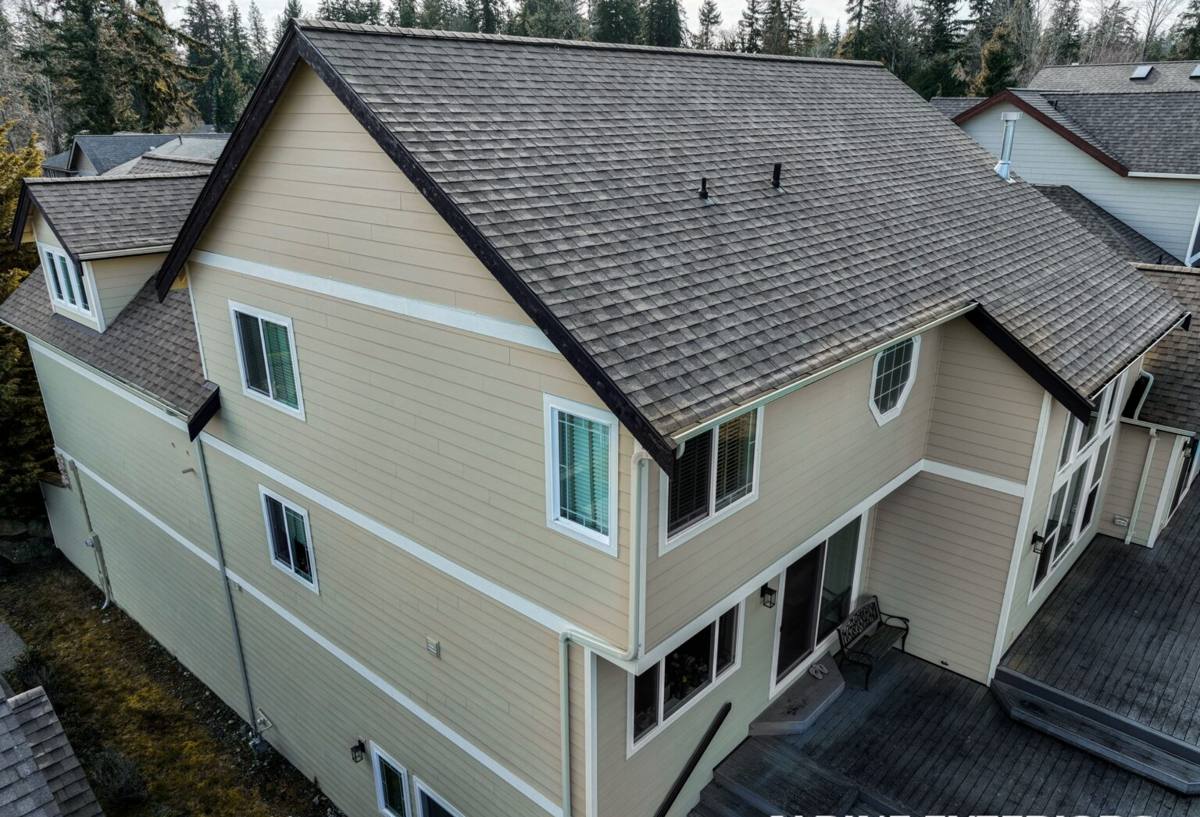
What Salt Air, Sun, and Wind Actually Do to a Deck
Salt Air and Corrosion
Airborne salt doesn't just sit on the surface of a deck — it works into every metal fastener, bracket, and connector, accelerating corrosion far faster than the same hardware would experience even a few miles inland. A screw or joist hanger that's rated fine for general residential use can start rusting and staining within a season or two this close to the water. Once fasteners start to corrode, they lose holding strength long before the wood or decking around them shows any obvious damage — which is exactly why corroded hardware is one of the most common hidden failure points we find on older beach decks.
UV Exposure
Florida sun is intense everywhere, but a barrier island with little shade and constant reflected light off open water and sand pushes UV exposure even higher. On wood decking, that means faster graying, surface checking, and splintering. On lower-grade composite or PVC products, it can mean fading and, in some cases, surface chalking over time. Material and finish choices both matter here — some products handle sustained UV far better than others.
Wind-Driven Rain and Moisture Cycling
Wind off the Gulf doesn't just bring rain straight down — it drives it sideways and up under railings, ledger boards, and joints that were never designed to shed water from that angle. Combined with Florida's humidity, that creates a repeated wet-dry cycle that's harder on wood fibers and connection points than steady rainfall would be. Framing and flashing details that work fine on a shielded inland deck can let water intrude here.
Hurricane and High-Wind Loading
Pinellas County sits squarely in hurricane country, and Clearwater Beach, as a coastal barrier island community, sees the top end of that wind exposure. A deck's structural connections — ledger attachment, post bases, joist hangers, guardrail posts — have to be sized and fastened to resist uplift and lateral load, not just support weight. This is a code requirement, not an optional upgrade, and it's where a lot of the difference between a deck that survives a bad storm season and one that doesn't actually gets decided.
What a Correctly Built Beach Deck Involves
A deck that's going to hold up on Clearwater Beach isn't just about picking a nicer decking board. It's a system, and every layer of that system needs to be right for this environment:
- Ledger attachment and flashing — properly flashed and sealed where the deck meets the house, so wind-driven rain can't work its way into the band board or framing behind it.
- Corrosion-resistant fasteners and hardware — stainless steel or coated hardware rated for coastal/salt-air exposure, not standard galvanized fasteners that are fine inland but undersized for this environment.
- Post bases and footings sized for wind uplift — connections engineered to resist the lateral and uplift forces hurricane-force wind puts on a structure, not just gravity loads.
- Joist hangers and structural connectors rated for the same coastal exposure as the fasteners, since a corroded hanger is a hidden structural problem.
- Decking material matched to sun and moisture exposure, whether that's a properly finished and maintained wood, or a composite/PVC product with real coastal-grade performance.
- Guardrails and stair connections built to code for load and spacing, since these take direct wind loading and are a safety item, not just an aesthetic one.
- Proper drainage and airflow underneath the deck so moisture doesn't sit and cycle against the framing.
Choosing a Decking Material for Clearwater Beach
There's no single "best" decking material for every situation — it depends on how much maintenance a homeowner wants to do, how close the home is to the water, and budget. Here's how the common options actually compare in this environment:
| Material | How It Handles Salt Air & UV | Maintenance | Typical Lifespan Here |
|---|---|---|---|
| Pressure-treated wood | Prone to graying, checking, and splintering faster under intense coastal UV; needs protection | Regular sealing/staining, roughly every 1-2 years | Shorter without diligent upkeep |
| Tropical hardwood (e.g., ipe-type species) | Naturally dense and weather-resistant, handles UV and moisture well when finished | Periodic oiling to maintain color; low structural maintenance | Long-lasting with upkeep |
| Composite decking | Good UV and moisture resistance; quality varies significantly by product line | Low — occasional washing, no staining/sealing | Long-lasting; check manufacturer's coastal warranty terms |
| PVC/capped decking | Strong moisture and salt resistance since it doesn't absorb water like wood-based products | Low — periodic cleaning | Long-lasting |
We'll walk through what makes sense for a specific home rather than pushing one product — a shaded lot a few blocks back from the water has different needs than an oceanfront deck taking direct salt spray.
Fasteners and Hardware Matter as Much as the Decking
We see this get overlooked constantly: a homeowner upgrades to a premium composite deck board, but the contractor still uses standard-grade screws and hangers underneath. Within a couple of years, streaking and staining show up around every fastener, and the structural hardware is corroding faster than the decking itself. On Clearwater Beach work, we spec stainless or coastal-rated fasteners and connectors as standard, not an add-on.
Our Deck Building Process
1. Site Visit and Assessment
We look at the site itself — sun exposure, proximity to the water, existing structure if it's a rebuild, drainage, and any access constraints common to beach lots. This is also where we talk through material options honestly, including trade-offs in maintenance and upfront cost.
2. Design and Permitting
Deck work on Clearwater Beach goes through the City of Clearwater's permitting process, and in most cases needs to meet Florida Building Code wind-load requirements for the coastal wind zone. We handle the permit submission and design details so the structure is engineered correctly from the start, not retrofitted to pass inspection later.
3. Framing and Structural Work
This is the part of the job that doesn't show once it's finished, and it's the part that matters most. Ledger flashing, post footings, joist hangers, and fastener selection all get done to coastal-exposure standards, sized for the wind loads this location actually sees.
4. Decking, Railing, and Finish Work
Once the structure is sound, we install the decking material, railings, and stairs, finishing with any sealing or staining the material calls for.
5. Final Walkthrough
We go over the finished deck, how it's built, and what maintenance it'll actually need going forward — no surprises a year or two down the road.
What Maintenance Looks Like After the Build
No deck on a Florida barrier island is maintenance-free, no matter what material it's built from — the environment is simply too demanding for that. What changes by material is how much and how often:
- Rinse salt residue and debris off decking periodically, especially after storms.
- Inspect fasteners and railing connections at least once a year for early signs of corrosion or loosening.
- Re-seal or re-stain wood decking on the schedule the finish product calls for — don't let it lapse in this UV exposure.
- Keep the area underneath the deck clear so airflow and drainage aren't blocked.
- After any major storm, check ledger flashing and structural connections for water intrusion or damage.
Cost Factors for a Clearwater Beach Deck
Every deck is different, so we won't quote a number without seeing the site, but these are the factors that move the price most:
| Factor | Why It Affects Cost |
|---|---|
| Decking material | Pressure-treated wood is the lowest upfront cost; hardwood, composite, and PVC cost more but generally need less upkeep |
| Size and layout | Square footage, multi-level designs, and stairs all add material and labor |
| Height and structural complexity | Elevated decks need more substantial footings and framing to meet coastal wind-load requirements |
| Railing style | Cable, glass, or custom railing systems cost more than standard baluster railing |
| Site access | Tight beach lots or limited equipment access can add labor time |
| Permitting and engineering | Coastal wind-zone requirements may call for additional engineering review |
Why Hire a Crew That Already Works Clearwater Beach
A deck built to a generic inland standard is not the same job as a deck built for a Gulf-facing barrier island. Contractors who don't regularly work this specific stretch of Pinellas County can miss things that only show up after a few seasons here — undersized fasteners, missing flashing details, decking that wasn't rated for this level of UV and salt exposure. We build and repair decks throughout Clearwater and Clearwater Beach regularly, which means we already know what the City's permitting process expects, what wind-load requirements apply to this zone, and which materials and hardware actually hold up in this specific climate rather than a generic Florida climate. That local, repeated experience is what keeps a deck from becoming a redo project in three years.
If you're planning a new deck or need to talk through options for a Clearwater Beach property, we're happy to take a look and give you a straightforward, no-pressure estimate — just fill out the form below.