 Clearwater Siding
 Deck Repair Built for Harbor Oaks Conditions
Harbor Oaks sits close enough to the water that every deck in the neighborhood is doing double duty — it's an outdoor living space and it's a structure under constant assault from Pinellas County weather. Between the intense year-round UV, wind-driven rain off the Gulf, salt-laden air, and the occasional direct hit from hurricane-force wind, a deck here ages differently than the same deck would fifty miles inland. We repair decks in Harbor Oaks regularly enough to know exactly where they fail first, and why.
This page is about deck repair specifically — not full rebuilds, not new construction. If your deck is structurally sound but showing damage, wear, or isolated problem spots, this is the service that gets it back to safe, solid, and good-looking without paying for a full replacement you don't need.
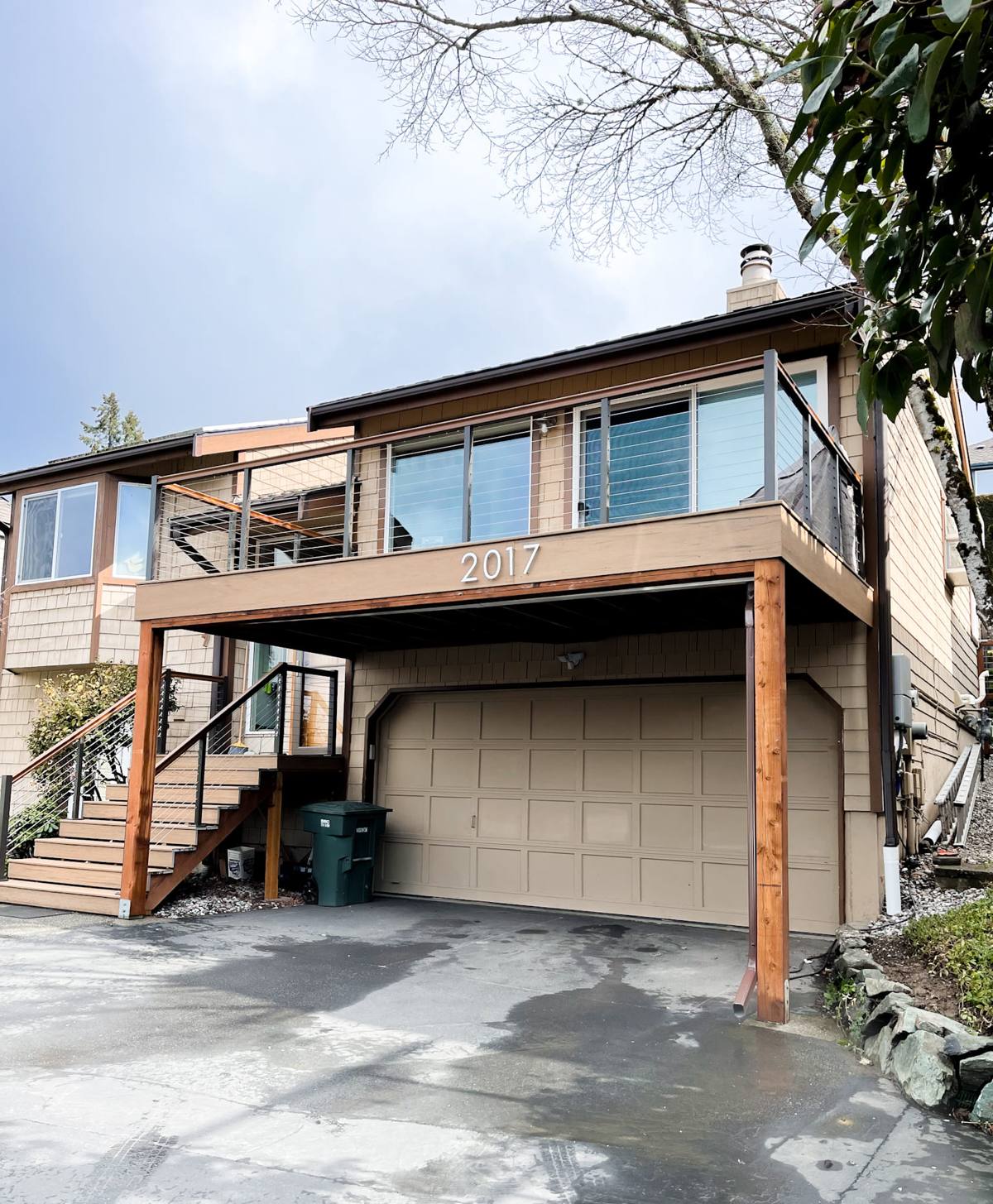
What Clearwater's Climate Does to a Deck
Every deck failure we see traces back to one or more of the same regional stressors:
- UV exposure — Florida sun breaks down wood fibers and degrades the surface finish on composite decking faster than manufacturers' national warranty language usually accounts for. Unprotected wood grays and gets brittle; even capped composite can chalk and fade over years of full-sun exposure.
- Wind-driven rain — Storms here don't just rain down, they rain sideways. Water gets driven into joints, under flashing, and into end-grain cuts that would stay dry in a calmer climate. That's where rot starts — not on the open face of a board, but at the edges and connections.
- Salt air — Being close to the coast means airborne salt settles on every surface, including your deck's hardware. Standard fasteners and connectors corrode faster than inland-rated hardware, and corroding fasteners are one of the most common hidden problems we find during inspections.
- Wind load — Hurricane-force gusts put real lateral and uplift stress on railings, stair stringers, and ledger connections. A deck that's been through a few storm seasons without inspection may have loosened connections you can't see from the surface.
None of this means a deck in Harbor Oaks is destined to fail — it means it needs to be built and repaired with these specific stresses in mind, not with generic techniques borrowed from a drier, calmer climate.
Common Problems We Find on Harbor Oaks Decks
Ledger Board and Attachment Issues
The ledger board — where the deck attaches to the house — is the single most important structural connection on the entire deck, and it's also the one most likely to trap moisture against the house's framing. Wind-driven rain works its way behind poorly flashed ledgers, and by the time a homeowner notices soft decking nearby, the framing behind it may already be compromised.
Fastener and Connector Corrosion
Salt air corrodes exposed screw heads, joist hangers, and structural connectors well before the wood around them shows visible damage. A deck can look fine on the surface while its hardware is quietly failing underneath.
Board Cupping, Splitting, and Surface Wear
Repeated wet-dry cycles from afternoon storms followed by intense sun cause wood boards to cup, crown, or split — especially at the ends. Composite boards are more stable but aren't immune to fading and surface degradation under sustained UV.
Railing and Stair Looseness
Railings take direct wind load and constant hand use. Loose railing posts are a safety issue, not just a cosmetic one, and they're one of the most common repair calls we get.
What a Correct Deck Repair Actually Involves
A repair done right starts with an honest structural look, not just a patch job on whatever's visibly broken.
- Full structural inspection — We check the ledger connection, support posts, joists, and hardware, not just the decking surface. Surface damage is often a symptom of a problem underneath.
- Identify the actual cause — Rot and corrosion have a source: a moisture trap, a missing flashing detail, undersized or wrong-rated fasteners. Fixing the surface without fixing the cause means the same repair fails again in a season or two.
- Repair or replace only what's compromised — Individual boards, joists, posts, or hardware get replaced as needed. There's no reason to tear out sound structure to fix a localized problem.
- Use hardware rated for coastal exposure — In a salt-air environment, this isn't optional. Stainless steel or high-grade coated fasteners and connectors cost more up front and last dramatically longer than standard-grade hardware.
- Correct flashing and water management — Any repair near the ledger or a post base includes making sure water sheds away from the structure instead of pooling against it.
- Final safety check — Railings, stairs, and connections get tested under load before we call the job done.
Repair vs. Replace: How We Make That Call
Not every damaged deck needs a full rebuild, and not every deck can be safely patched. We look at three things: the extent of structural damage, the age and condition of the framing versus the surface, and whether the underlying materials were appropriate for this climate in the first place. A deck with isolated rot at one ledger connection is a repair. A deck with widespread substructure failure or corroded hardware throughout usually isn't worth patching piece by piece — at that point the honest answer is replacement, and we'll tell you that directly instead of running up a repair bill on a structure that's past the point of spot fixes.
Material Comparison for Repairs and Replacement Boards
| Material | Coastal Durability | Maintenance | Typical Lifespan Here |
|---|---|---|---|
| Pressure-treated pine | Good with proper sealing | Needs re-sealing every 1-2 years in this UV/rain cycle | 10-15 years with upkeep |
| Cedar/tropical hardwood | Naturally decay-resistant but still needs finish care | Periodic oiling or sealing | 15-20+ years with upkeep |
| Capped composite | Strong moisture resistance, doesn't rot | Low — occasional cleaning | 20-25+ years, surface fade over time in full sun |
| Uncapped/older composite | More prone to moisture absorption and fading | Moderate cleaning and inspection | Shorter than capped composite in this climate |
We'll talk through which of these makes sense for your specific repair, especially if we're only replacing a section rather than the whole deck surface — matching materials and fastening methods correctly matters more than most homeowners expect.
Our Repair Process in Harbor Oaks
We keep this straightforward because most homeowners just want to know what's actually wrong and what it'll take to fix it properly.
- On-site inspection of the full structure, not just the visible problem area
- Plain-English explanation of what we find, including anything unrelated to your original concern that we notice along the way
- A written estimate that separates structural repair from cosmetic/surface work, so you can see what's driving the cost
- Repair work scheduled around Florida's storm season when possible, with weather-appropriate scheduling if a system is approaching
- A final walkthrough covering what was repaired, what hardware or materials were used, and any maintenance recommendations specific to your deck's exposure
Maintenance That Actually Extends a Deck's Life Here
Repairs last longer when a deck gets basic seasonal attention between visits. A short list that covers most of it:
- Rinse off salt residue and debris periodically, especially after storms
- Check railing posts and stair stringers for looseness at least twice a year
- Look at the ledger board area and any post bases for standing water or debris buildup after heavy rain
- Reseal wood decking on the schedule appropriate to the product — Florida UV shortens the interval compared to more temperate climates
- Watch for rust streaking around fasteners, which usually signals corroding hardware underneath
- Trim back vegetation that keeps sections of the deck shaded and damp longer than the rest
Why a Crew That Already Works Harbor Oaks Matters
Deck repair isn't a one-size-fits-all trade. A crew that works Pinellas County regularly already knows which hardware grades hold up to salt air, how local wind exposure affects railing and post specs, and where moisture tends to collect on the deck styles common to this area. That local pattern recognition is the difference between a repair that solves the actual problem and one that just covers it up until the next storm season. We're a Clearwater-based crew, and jobs in Harbor Oaks and the surrounding area are a regular part of our week, not an occasional trip out of our normal service area.
Get an Honest Look at Your Deck
If your deck in Harbor Oaks has soft spots, loose railings, corroding hardware, or storm damage, it's worth getting a real inspection before deciding between a repair and a bigger project. We offer free, no-pressure estimates — use the form below and we'll take a look and give you a straight answer on what it actually needs.