 Clearwater Siding
 Building a Deck That's Built for Sunset Point, Not Just Any Backyard
Sunset Point sits along the water on Clearwater's north side, and it's easy to see why homeowners here want a deck — a place for morning coffee looking out over the water, a spot to grill in the evening, a real extension of the living space outdoors. But a deck built for a waterfront or near-waterfront property in Pinellas County has to handle more than a deck built a few miles inland does. Hurricane-force wind, sun that beats down for most of the year, wind-driven rain that gets pushed into places ordinary rainfall never reaches, and salt air working on every exposed piece of metal all take a toll faster out here than they would further from the water.
A deck built without those conditions in mind can look fine for the first season or two and then start showing problems well ahead of schedule — corroded hardware, a ledger connection that's picked up moisture, decking that's faded or cupped faster than it should have. This page covers what actually goes into building a deck correctly for a Sunset Point property: the material trade-offs, the structural details that don't show once the project is finished, the permitting and code requirements specific to this part of Clearwater, and why hiring a crew that already builds decks in this neighborhood makes a real difference.
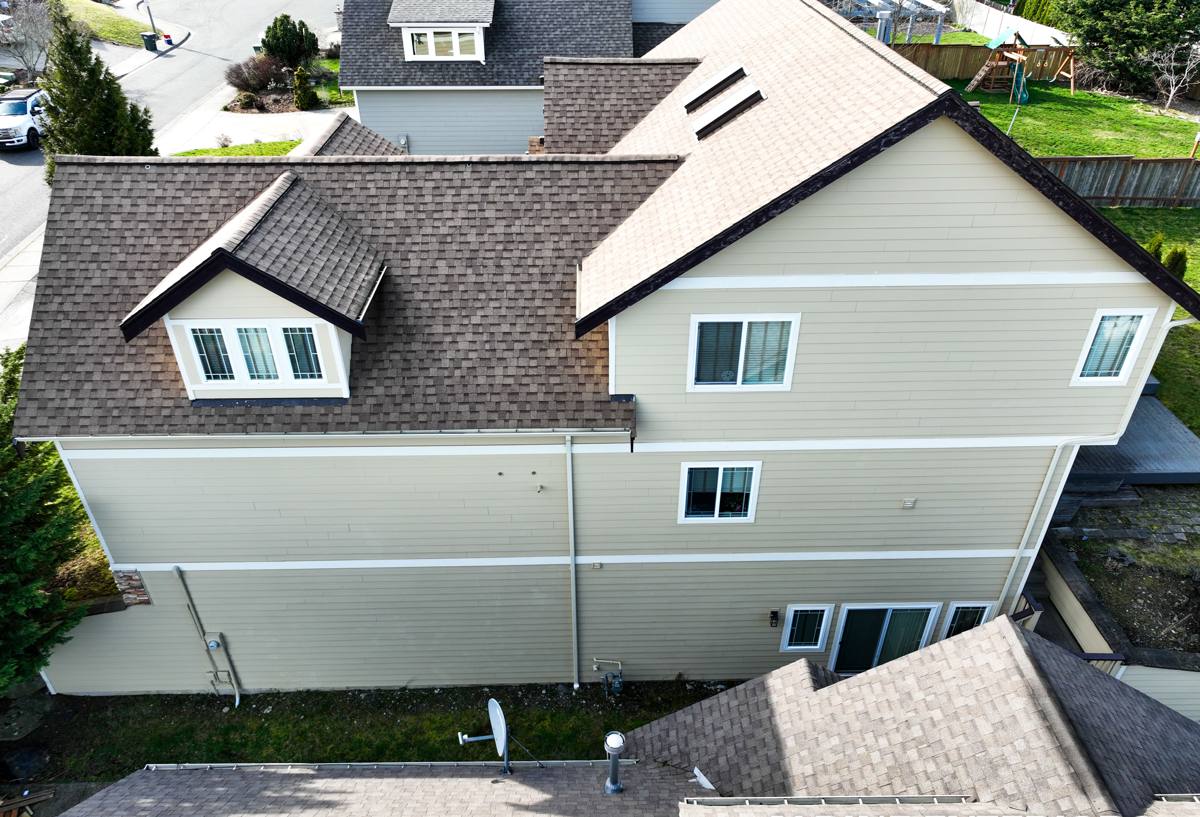
What This Location Demands From a New Deck
Hurricane-Force Wind Loads
Proximity to open water means more direct wind exposure than a similar deck set back further inland, and the Florida Building Code accounts for that with wind speed design requirements that vary depending on where a property sits within Pinellas County. That affects post spacing, footing depth, and how railings and structural connections get engineered. A deck framed to a lower wind-load assumption than the site actually calls for is the kind of shortcut that doesn't show up as a problem until a real storm puts it to the test.
Wind-Driven Rain and Moisture Intrusion
Storms here rarely bring rain straight down. Wind pushes it sideways, up under railings, and into ledger connections and framing joints that vertical rain would never reach. That's exactly why flashing at the ledger board, proper slope and drainage under the decking, and moisture-conscious framing details matter more on a build like this than they would a few miles from the water.
Nearly Year-Round UV Exposure
Florida sun is intense for most of the year, and a deck surface takes that exposure directly, often with little relief from tree cover on waterfront and near-waterfront lots. UV breaks down unprotected wood fibers and finishes over time, and on lower-grade composite decking it can fade color and, eventually, affect the surface material itself. Material choice and finish matter more on a deck that sees this much direct sun than on one that's shaded for part of the day.
Salt Air and Hardware Corrosion
Being close to open water means salt-laden air settling continuously on every exposed fastener, joist hanger, and railing bracket, accelerating corrosion well beyond what standard-grade hardware is built to handle over time. This is one of the most common reasons an otherwise solid-looking deck starts failing at its connections years before the decking surface shows any wear at all.
Choosing the Right Decking Material for This Environment
There isn't one correct decking material for every homeowner — budget, maintenance tolerance, and how the deck will be used all factor in. What matters is choosing with an honest picture of how each option actually behaves under sustained sun and salt exposure, rather than a generic recommendation that doesn't account for this specific setting.
| Material | Upfront Cost | Maintenance | Behavior Near Salt Air & Moisture | Typical Local Lifespan |
|---|---|---|---|---|
| Pressure-treated wood | Lowest | Regular sealing or staining, on a shorter interval here than inland | Prone to graying, splitting, and checking faster under intense UV and salt exposure without upkeep | Shorter without consistent maintenance |
| Composite decking | Mid-range | Low — periodic cleaning, no sealing required | Resists rot well; lower-grade boards can fade or show surface wear under heavy, sustained UV | Long, with real variation by product grade |
| PVC / capped composite | Highest | Lowest of the three — minimal upkeep | Fully moisture-resistant surface, holds color well under sustained sun exposure | Longest of the three, generally |
We'll walk through these trade-offs against your budget and how you plan to use the space, rather than steering every homeowner toward the same product regardless of fit.
Framing, Footings, and Fasteners: What Holds a Deck Together
The parts of a deck nobody sees once it's finished are the parts that determine whether it holds up. Getting these right matters more here than it would inland, given the wind and moisture conditions this location sees.
Footings Sized for the Site
Footing depth and sizing need to reflect the actual soil conditions and structural load at the site, not a generic assumption carried over from a different property. On lots near the water, ground conditions and elevation requirements can affect footing design more than they would further inland.
Ledger Board Attachment and Flashing
The ledger board connection — where the deck attaches to the house — is the single most important structural connection on most decks, and it's also the point most exposed to wind-driven rain working its way behind the decking. Correct flashing here isn't optional trim work; it's what keeps moisture from working into the house's framing over years of storms.
Hardware Grade Matters More Here
Stainless steel or coastal-rated structural screws, joist hangers, and post connectors cost more upfront than standard-grade hardware, but they hold up meaningfully longer under continuous salt air exposure. Using standard hardware on a build this close to the water is one of the most common ways a deck ends up needing hardware repairs years ahead of when it should.
Post and Beam Connections
Posts, beams, and joists need connections engineered to the wind load the site actually requires, including proper hurricane hardware where called for. This is structural work that should match new-construction standards regardless of deck size — a small deck built to the wrong wind rating carries the same real risk as a large one.
Permits and Code Requirements for This Part of Clearwater
New deck construction in Clearwater requires a permit, and for a Sunset Point property, that process typically accounts for a few things beyond a standard inland build: the wind speed design category that applies to the site, railing height and baluster spacing requirements for elevated decks, and — depending on the specific lot — elevation or setback considerations tied to proximity to the water. Skipping or shortcutting the permit and inspection process on a deck near the water isn't just a compliance risk; it also means nobody with code expertise has verified that the structure meets the wind and moisture standards this location actually needs.
We handle the permitting as part of the build, not as an afterthought, and we'll tell you upfront if a particular design element on your lot needs a specific engineering review before it can move forward.
How We Build Your Deck
- Site visit and assessment. We look at the lot, discuss how you'll use the deck, and note anything site-specific — sun exposure, drainage, proximity to the water — that should shape the design.
- Design and material selection. We work through material trade-offs, layout, and railing options against your budget and maintenance preferences, with clear reasoning behind each recommendation.
- Permitting. We prepare and submit what the project requires, including structural details tied to local wind load and any elevation or setback considerations for the specific property.
- Footings and framing. Footings, posts, beams, and joists go in first, built to the wind rating and moisture standards this location calls for, with coastal-rated hardware throughout.
- Decking, railing, and finish work. Decking is installed with proper spacing and drainage in mind, followed by railings built to code height and spacing requirements.
- Final walkthrough and inspection. We walk the finished deck with you, confirm it passes required inspections, and go over what maintenance will keep it performing well in this environment.
Keeping a New Deck Performing Well Out Here
- Rinse the deck surface periodically to clear salt residue before it works into the material
- Keep gaps between boards clear of debris so water and airflow move through as designed
- Check railing posts and visible hardware a couple of times a year, especially after storm season
- Reseal or refinish wood decking on a shorter schedule than you would inland, given the UV load here
- Trim back landscaping that traps moisture against the deck edge or blocks airflow underneath
- Address any soft spots, movement, or loose railings right away rather than waiting for a scheduled check
Why It Matters to Hire a Crew That Already Builds in This Neighborhood
A crew that mostly builds decks inland can still turn out competent work here, but a build this close to the water has variables that come up more often on a Sunset Point lot than elsewhere in Clearwater — wind load requirements tied to open-water exposure, hardware standards that account for constant salt air, and permitting that can involve elevation or setback review depending on the property. Working this area regularly means we're not learning those requirements mid-project. We know what fastener grade actually holds up here, what a ledger connection needs to survive a real storm season, and how permitting works for a build like this, because we've done it on decks like yours before.
That familiarity also means a more accurate estimate from the start — fewer surprises once construction is underway, because the plan accounted for how this environment actually behaves rather than applying a generic build spec to a site that doesn't fit one.
Get a Straight Estimate for Your Sunset Point Deck
Whether you're starting from a bare patch of yard or replacing something that never held up the way it should have, we're glad to walk the site, talk through material and layout options honestly, and explain the reasoning behind our recommendations. Reach out below for a free, no-pressure estimate.