 Clearwater Siding
 Building a Deck That Actually Holds Up in Countryside
Countryside is one of Clearwater's larger established neighborhoods, and the backyards here run the gamut — mature shade trees, in-ground pools, screened lanais, fenced-in lots for pets and kids. A lot of the decks we get called out to look at in this part of Clearwater were built by whoever was available at the time, not by someone thinking about how a wood or composite structure holds up through a Pinellas County summer, year after year. That's the gap we try to close: building (or rebuilding) a deck that's actually sized, fastened, and finished for what this climate does to outdoor structures.
Clearwater sits close enough to the Gulf that salt-laden air reaches inland neighborhoods like Countryside even without direct waterfront exposure, and it combines with three other stresses that matter more here than almost anywhere else in the country: sustained, intense UV that runs nearly twelve months a year, wind-driven rain that gets forced sideways into joints and seams during summer storms, and the occasional hurricane-force wind event that tests every fastener and connection in the frame. None of that is exotic knowledge — it's just what happens to lumber, hardware, and finishes that sit outside in West Central Florida. A deck built without that in mind will still look fine on installation day. The difference shows up two, three, five summers later.
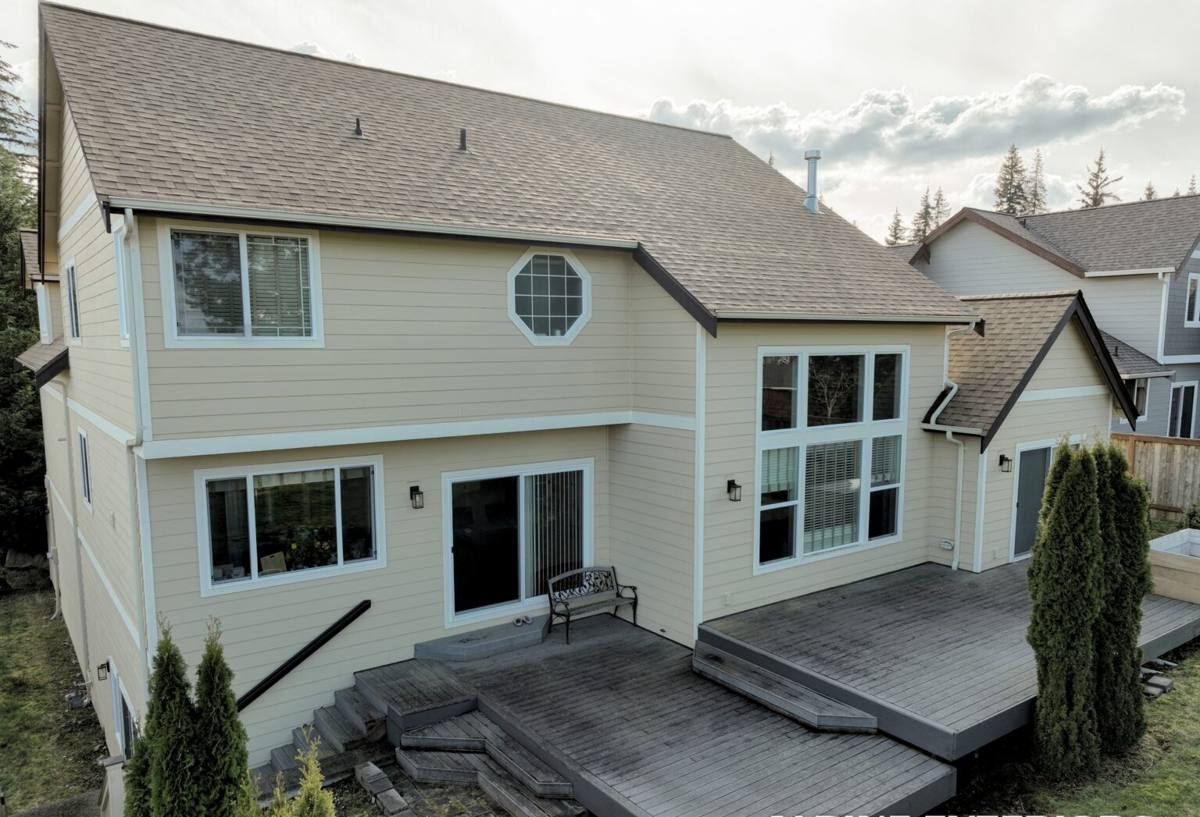
What Countryside Backyards Typically Need
Every property is different, but we see a few recurring patterns on Countryside lots:
- Decks attached to the house that connect to a pool cage or screened lanai, where the ledger board and flashing details matter more than usual because there's less roof overhang protecting that wall
- Freestanding decks set back in the yard for grilling, seating, or shade structures, where footing depth and post connections carry the wind load on their own
- Older decks (10+ years) showing soft spots, rust streaks around fasteners, or checking and graying on the boards — usually a sign the original build skipped corrosion-resistant hardware or proper ventilation underneath
- Requests to replace an aging wood deck with composite or PVA decking to cut down on the sanding-and-sealing cycle
Whatever the starting point, the same underlying question applies: is the structure built to actually survive full Gulf Coast sun and the wind and rain that come with it, or was it built to look good in photos?
What a Correctly Built Custom Deck Involves
The Frame Comes First
The visible decking boards get all the attention, but the frame underneath is what determines whether the deck is still solid in ten years. That means correctly sized joists and beams for the actual span and load (not just "what's usually used"), joist hangers and structural connectors rated for outdoor use, and post footings set to the depth Pinellas County soil and frost-free conditions call for for a permanent structure — not just poured on the surface.
Ledger Attachment and Flashing
Where a deck attaches to the house is the single most common failure point we see in this climate, because that's where wind-driven rain gets pushed hardest against a seam. A correct ledger attachment uses proper flashing that sheds water away from the house band board, not caulk alone papering over a gap. Skipping this step doesn't show up right away — it shows up as rot behind the siding a few years later, which is a far more expensive repair than doing the flashing right the first time.
Fasteners and Hardware
Standard construction screws and generic nails corrode fast in salt-influenced air, and once a fastener starts rusting it weakens from the inside even if the head still looks fine. We use stainless or coated fasteners and connectors rated for the coastal exposure category this area falls under, along with corrosion-resistant joist hangers and post bases. It costs more up front than mixed hardware from a general contractor's leftover bin. It's also the difference between a deck that's still tight in year eight and one that starts squeaking and shifting in year three.
Choosing Decking Material for This Climate
There's no single right answer here — it depends on budget, how much maintenance you're willing to do, and how the deck will be used. Here's how the common options actually perform under Clearwater sun and humidity:
| Material | Upfront Cost | UV / Sun Behavior | Moisture & Salt Air Behavior | Maintenance |
|---|---|---|---|---|
| Pressure-treated pine | Lowest | Grays and can check/splinter without regular sealing | Prone to warping and fastener staining if not sealed | Annual cleaning and re-sealing recommended |
| Tropical hardwood (e.g. ipe-type) | High | Very UV-stable structurally, though color fades without oiling | Naturally dense and rot-resistant | Periodic oiling for color; otherwise low |
| Capped composite decking | Mid-High | Fade-resistant caps hold color well long-term | Doesn't absorb moisture or rot | Occasional washing; no sealing or staining |
| PVC decking | Highest | Excellent UV and fade resistance | Fully moisture-immune, will not rot | Lowest maintenance of the group |
We're honest with clients about trade-offs rather than pushing one product. Real wood costs less to install but asks more of you every year — skip the sealing schedule in this climate and it shows fast. Composite and PVC cost more up front but are a better fit for homeowners who want to actually use their weekends instead of maintaining a deck. Where we steer people away from a product, it's for practical reasons — a decking line with a maintenance schedule that doesn't match the homeowner's expectations, or a fastening system that's more sensitive to installation error — never because a brand is "bad."
Permits and Wind Considerations in Pinellas County
Most new decks and significant deck rebuilds in Clearwater require a building permit, with plans that account for the wind loads the Florida Building Code requires in this part of the state. This isn't paperwork for its own sake — the load path from decking boards down through joists, beams, posts, and footings is exactly what keeps a deck attached to your house and standing in the ground during a tropical storm or hurricane, rather than becoming debris in the yard next door. We handle the permitting and inspection process as part of the job, and we build to the load and connection requirements that apply here, not to a generic national standard that assumes calmer weather.
Our Process, Start to Finish
- On-site visit and consultation — we look at your specific yard, house connection points, drainage, and how you actually plan to use the space
- Design and material selection — sizing, layout, and an honest conversation about wood versus composite versus PVC for your budget and maintenance preference
- Permitting — we prepare and submit what Pinellas County and the City of Clearwater require and schedule inspections
- Construction — footings, framing, ledger and flashing work, decking installation, railing, and any stairs
- Final walkthrough — we go over the finished deck with you, including what maintenance (if any) the material you chose will need going forward
Keeping a Countryside Deck Looking Good for Years
However well a deck is built, a little seasonal attention keeps it that way. A basic maintenance checklist for this climate:
- Rinse off pollen, salt residue, and organic buildup a few times a year, especially after storm season
- Check fastener heads and connectors for rust staining or looseness once a year
- For wood decking, plan on cleaning and resealing on a regular cycle rather than waiting until it looks gray and dry
- Keep gutters and downspouts near the deck clear so runoff isn't dumping directly onto the structure
- Trim back overhanging branches to reduce standing moisture and debris buildup on the boards
- After any major storm, do a quick visual check of railings, stairs, and ledger attachment before assuming everything's fine
Why a Crew That Already Works in Countryside Matters
Building a deck correctly in this climate isn't guesswork we're figuring out on your project — it's the same set of decisions (footing depth, fastener grade, flashing detail, material selection) we make on every Clearwater-area job because Pinellas County's sun, humidity, and storm exposure don't change from one neighborhood to the next. Working regularly in and around Countryside also means we're familiar with the local permitting process and typical lot layouts here, which keeps the project moving instead of stalling on avoidable back-and-forth.
If you're planning a new deck or replacing one that's past its best years, we're glad to come take a look and talk through honest options for your yard and budget. There's a free, no-pressure estimate form below — reach out and we'll get you scheduled.