 Clearwater Siding
 Siding Installation Built for Seminole's Coastal Climate
Seminole sits in the part of Pinellas County that takes the Gulf's weather head-on — humid summers, sudden downpours, hurricane season stretching from June through November, and salt-laden air drifting in off the coast year-round. Siding here isn't just a cosmetic layer. It's the barrier standing between a home's framing and everything the Gulf throws at it. When that barrier is the wrong material, poorly installed, or simply worn out, homeowners find out the hard way — usually as rot, staining, or storm damage that shows up long after the original installer is gone.
This page is about one thing: what it takes to install siding correctly on a Seminole home, given the specific climate this neighborhood sits in. Not generic advice — the actual technical and practical considerations that separate a siding job that lasts twenty-plus years from one that starts failing in five.
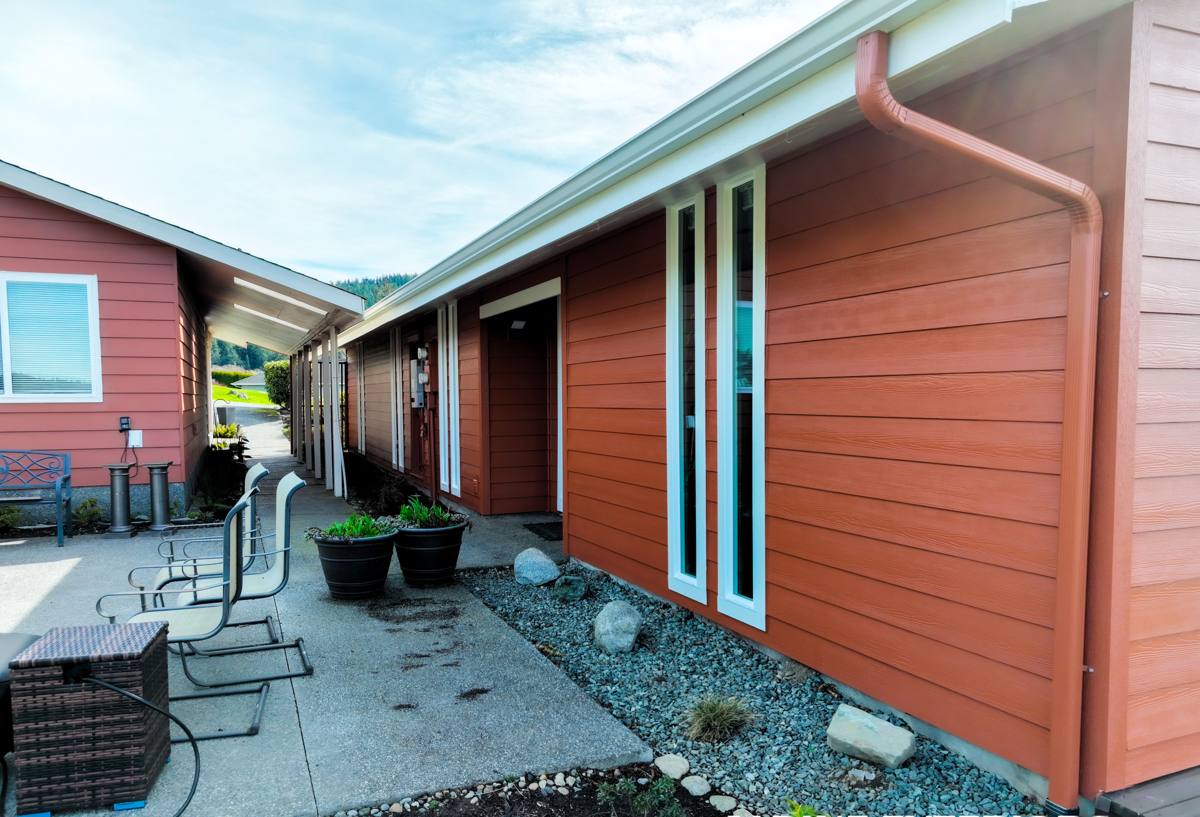
What Pinellas County Weather Does to Siding Over Time
Hurricane-Force Wind
Wind doesn't just push on siding — it gets underneath it. Uplift pressure during tropical storms and hurricanes works at every seam, fastener, and panel edge, looking for the weak point. Siding that's under-fastened, fastened in the wrong pattern, or installed with insufficient overlap can peel away in gusts that a correctly installed system would shrug off. This is one of the most common causes of storm damage claims in coastal Pinellas County — not the wind itself, but installation shortcuts that wind exposes.
Intense, Year-Round UV Exposure
Florida sun is relentless and it doesn't take a season off. UV breaks down pigments, softens caulking, and accelerates the aging of anything not engineered to handle it. Siding that looks fine in a showroom in a northern climate can fade, chalk, or warp within a few years under Gulf Coast sun. Color stability under UV is one of the biggest differences between siding products, and it's not something you can judge by looking at a sample in a shaded aisle.
Wind-Driven Rain
Rain in Seminole rarely falls straight down during a storm — it comes in sideways, driven by wind, and it finds every gap. This is a moisture-management problem, not just a materials problem. Correctly lapped panels, properly installed weather-resistant barriers, and flashing at every penetration matter more here than in drier, calmer climates, because wind-driven rain actively pushes water toward openings that gravity alone would never reach.
Salt Air
Even homes a few miles inland from the beach pick up salt in the air, and that salt is corrosive to fasteners, trim, and unprotected substrates. Over years, salt exposure accelerates rust on exposed metal and speeds up the breakdown of materials that weren't built with coastal exposure in mind. It's a slow, cumulative problem — which is exactly why it gets overlooked until it's expensive.
What a Correct Siding Installation Actually Involves
A siding job that will actually hold up in Seminole's climate depends on details that aren't visible once the project is finished — which is also why they're the details corners get cut on.
Weather-Resistant Barrier and Flashing
Before the first siding panel goes up, the wall needs a continuous weather-resistant barrier, properly lapped and taped, with flashing integrated at every window, door, and penetration. This layer is what keeps wind-driven rain from reaching the sheathing even if water gets past the siding itself — and in a climate like this one, water will get past the siding at some point. The barrier is the backup plan, and it has to be installed as carefully as the siding on top of it.
Fastening Pattern and Clearances
Fastener type, spacing, and placement directly determine how well siding resists wind uplift. Manufacturer specifications exist for a reason, and in a hurricane-exposed area they're not a suggestion. Clearances also matter: siding installed too close to grade, roofing, decks, or the ground wicks up moisture and starts failing from the bottom edge up, regardless of how good the material is.
Joints, Caulking, and Butt Seams
Every horizontal and vertical joint is a potential entry point for water. Correct butt-joint treatment, proper caulking at trim and penetrations, and attention to how panels meet at corners and openings all affect whether a home stays watertight through years of wind-driven rain rather than just the first season.
Signs a Seminole Home Needs New Siding
Not every siding problem is obvious from the curb. Before scheduling an estimate, it's worth checking for these:
- Soft or spongy spots when you press on the siding, especially near the bottom courses or below windows
- Visible warping, buckling, or panels that no longer sit flat against the wall
- Persistent staining, streaking, or dark patches that don't clean off
- Paint or finish that's chalking, peeling, or fading unevenly across the same wall
- Cracked or crumbling caulking at joints, trim, and window or door edges
- Visible gaps where panels have pulled away from the wall or from each other
- Interior signs — musty smells, peeling interior paint, or soft drywall on an exterior wall
- Siding that's more than 20-25 years old, regardless of visible condition
Why We Install Only James Hardie Fiber Cement in Seminole
We install one siding system, on every job, in every neighborhood we work — James Hardie fiber cement. That's not a marketing preference; it's a standard we hold because of what this climate demands.
Fiber cement is non-combustible, which matters in a state where wildfire and lightning-strike risk exist alongside hurricane risk. It doesn't absorb moisture the way wood-based products can, so it doesn't swell, rot, or become a food source for pests the way untreated wood substrates do over time. James Hardie's HZ5 product line is specifically engineered for high-humidity, hurricane-exposed climates like Florida's — the formulation accounts for moisture cycling and wind exposure that a general-purpose siding product wasn't designed around.
The ColorPlus factory finish is baked on under controlled conditions, rather than field-applied paint drying in variable Florida humidity. That finish is engineered to resist the UV fading and chalking that's such a problem for painted siding here, and it carries a substantial transferable finish warranty backed by the manufacturer — not just the installer. When a product is engineered for this exact combination of sun, wind, and moisture, and backed by a real warranty structure, it's an easier standard to hold than trying to make a general-purpose material work in a climate it wasn't built for.
Climate Stressors and What Correct Installation Requires
| Climate Stressor | What It Does to Siding | What Correct Installation Requires |
|---|---|---|
| Hurricane-force wind | Uplift at seams and fastener points, panel loss | Manufacturer-spec fastening pattern, proper overlap, wind-rated installation |
| Year-round UV | Fading, chalking, finish breakdown | Factory-baked, UV-engineered finish rather than field-applied paint |
| Wind-driven rain | Water intrusion at joints, windows, and penetrations | Continuous weather-resistant barrier, correct flashing and lapping |
| Salt air | Corrosion of fasteners and trim, substrate breakdown | Corrosion-resistant fasteners and a moisture-stable base material |
| High humidity | Moisture cycling, swelling in wood-based products | A substrate that doesn't absorb or swell with humidity changes |
What Affects the Cost of a Siding Installation
Every Seminole home is different, and an accurate number only comes from an on-site look. But the main factors that move a project up or down in cost are consistent:
| Factor | Effect on Project |
|---|---|
| Total square footage of exterior wall | Larger homes require more material and labor |
| Existing siding removal and disposal | Tear-off adds labor time, especially with multiple layers |
| Sheathing or framing repair after tear-off | Hidden moisture damage found during removal adds scope |
| Home height and number of stories | Multi-story homes require more scaffolding and safety setup |
| Trim and architectural detail complexity | Corners, dormers, and decorative trim add labor |
| Panel size and profile chosen | Lap siding versus panel systems affect material and labor needs |
Our Installation Process
- On-site assessment. We walk the home, check the condition of the existing siding and substrate, and identify any moisture or structural issues before quoting anything.
- Detailed, written estimate. Scope, material, and timeline laid out clearly — no vague allowances that turn into surprise change orders mid-project.
- Tear-off and substrate inspection. Old siding comes off, and we inspect sheathing and framing underneath for hidden rot or moisture damage before anything new goes up.
- Weather barrier and flashing installation. This layer goes in first and gets done right, since it's the backup system that protects the home even if water ever gets past the siding.
- James Hardie installation to manufacturer spec. Correct fastening pattern, clearances, and joint treatment, installed to the standard the product's warranty actually requires.
- Final walkthrough. We review the finished work with the homeowner before considering the job done.
Why Hiring a Crew That Already Works in Seminole Matters
Siding installation isn't identical everywhere in Florida, let alone everywhere in the country. A crew that regularly works in Seminole and the surrounding Pinellas County communities already understands the wind-load and building code requirements that apply in a hurricane-exposed coastal zone, knows what local permitting involves, and has seen firsthand what happens when siding is installed without accounting for salt air and wind-driven rain. That local track record isn't a marketing line — it shows up in fewer surprises during the job and a finished result that's actually built for where the home sits, not for a generic climate assumption.
It also matters for the long haul. A local crew is reachable if a warranty question comes up years down the road, and has a reputation in the community worth protecting — which tends to translate directly into the quality of work they're willing to put their name on.
Ready to Talk About Your Home's Siding?
If your Seminole home's siding is showing its age, or you're planning ahead of the next storm season, we're happy to take a look and give you a straightforward, no-pressure estimate. There's no sales pressure and no obligation — just an honest assessment of what your home actually needs. Use the form below to get started.