 Clearwater Siding
 Coachman Ridge Homes Face a Different Set of Demands Than Most Window Ads Assume
Walk through Coachman Ridge and you'll see a lot of the same story: homes built in the 1970s and 1980s, many still carrying their original single-pane aluminum-frame windows or a mismatched round of replacements done over the decades. Those windows were never engineered for what Pinellas County throws at them today. Between hurricane-force wind events, near-constant summer UV, wind-driven rain that finds every weak seal, and the salt air rolling in off the Gulf, a window in this neighborhood ages faster than the same product would almost anywhere else in the country.
That's the real starting point for any conversation about "energy-efficient windows" here. It's not just about a lower electric bill, though that matters. It's about picking a window system, and an installation method, that can actually survive the climate long enough for the efficiency gains to pay off. A window that leaks air after two years of UV exposure and frame expansion never saves you the money it promised.
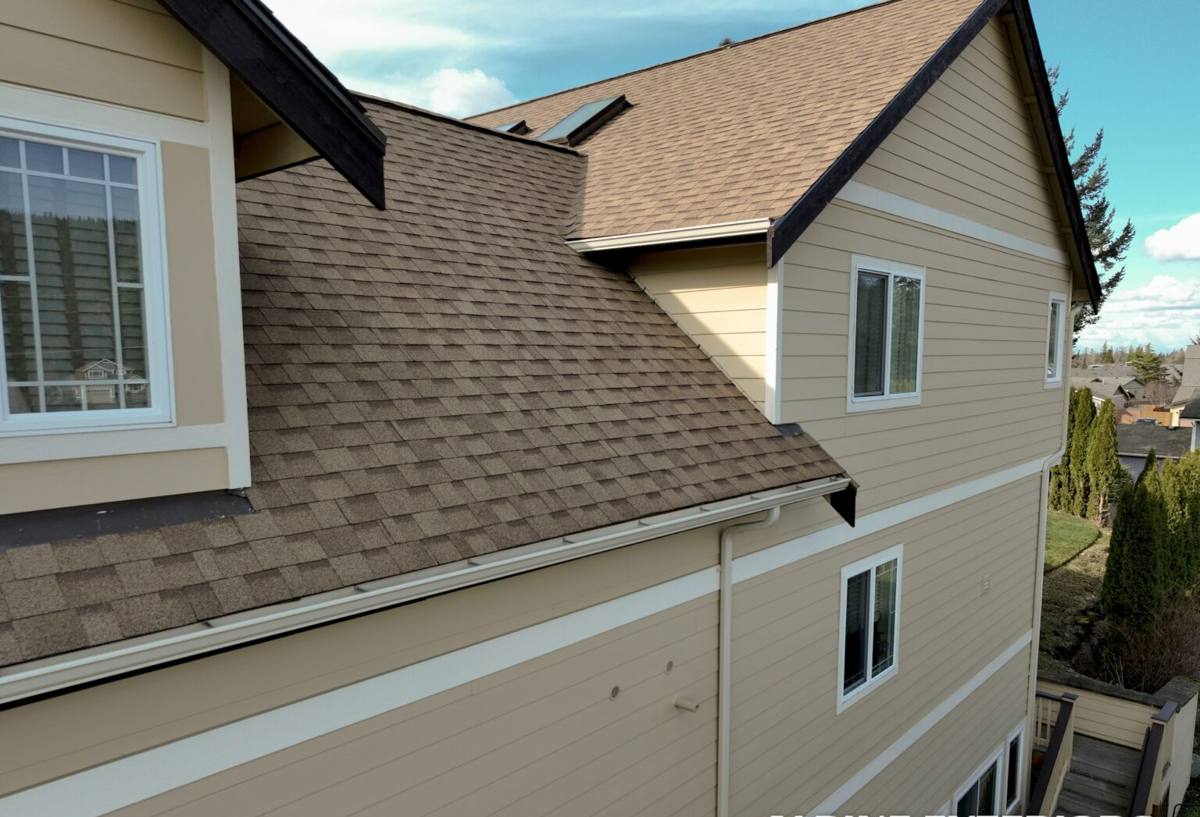
What "Energy-Efficient" Actually Means in a Hurricane-Prone Climate
In a lot of the country, energy-efficient windows are chosen mainly for insulation value against cold winters. In Clearwater, the equation flips. Your windows spend most of the year fighting heat gain, humidity infiltration, and UV degradation, not cold. An efficient window here needs to do several jobs at once:
- Block solar heat gain without turning the room dark, so your AC isn't fighting the sun all day
- Resist air infiltration even after repeated pressure cycling from storms and wind gusts
- Keep glazing seals intact under sustained high humidity and salt-laden air
- Meet Florida Building Code wind-load and, in many cases, impact requirements for this zone
- Hold up to UV exposure without the frame yellowing, chalking, or warping
A window that only checks the first box isn't really energy-efficient in this environment. It's efficient on day one and back to leaking conditioned air within a few storm seasons.
Low-E Glass and Gas Fills Matter More Under Florida Sun
Low-emissivity (Low-E) coatings reflect infrared and UV wavelengths while still letting visible light through. In Coachman Ridge's exposure, a well-specified Low-E coating is doing real work nearly every daylight hour of the year, not just in a couple of seasonal peaks. Argon or krypton gas fills between panes add insulating value, but that gas fill is only worth anything if the seal holding it in stays intact — which is exactly why installation quality and frame material choice matter as much as the glass package itself.
Signs Your Current Windows Are Already Costing You Money
Homeowners in this neighborhood usually don't call us because a window is visibly broken. They call because something feels off. Common signs worth paying attention to:
- AC runs longer than it used to, or certain rooms never feel as cool as the rest of the house
- Condensation or fogging between panes on double-glazed units — a sign the seal has failed
- Visible chalking, pitting, or corrosion on aluminum frames
- Windows that are difficult to open, close, or lock — frame warping from heat and humidity cycling
- A whistling or rattling sound during windy weather
- Noticeable fading on furniture or flooring near south- and west-facing windows
Any one of these can mean the window is no longer doing its job, even if it looks fine from the street.
Frame Materials: What Actually Holds Up in This Neighborhood
Coachman Ridge sits close enough to the coast that salt air is a real factor in material longevity, even though it's not a beachfront property. That changes which frame materials make sense.
| Frame Material | How It Performs Here | Trade-Offs |
|---|---|---|
| Vinyl | Good insulator, resists corrosion, common and cost-effective | Can expand/contract with heat cycling if not installed with proper clearances |
| Aluminum | Strong, slim sightlines, traditional in this area | Conducts heat unless thermally broken; prone to pitting near salt air over time |
| Fiberglass | Very stable in heat, low expansion, long service life | Higher upfront cost |
| Composite | Blends stability and value, increasingly common in replacements | Quality varies significantly by manufacturer |
We don't push one material as universally "best." The right call depends on the home's exposure, the existing rough openings, and your budget. What we won't do is install a frame system we know is a poor match for direct coastal-adjacent exposure just because it's cheaper up front — that's a callback waiting to happen, and it's not a trade-off we put on a customer without explaining it first.
Impact-Rated Glass vs. Standard Glass Plus Shutters or Film
This is one of the biggest decisions Coachman Ridge homeowners face, and there's no single right answer for every house.
Impact-Rated Windows
Impact glass is laminated, so it stays intact even when the outer pane cracks under debris impact. It's tested and rated for the wind-borne debris requirements common across Pinellas County, and it does double duty as a security and noise-reduction upgrade. The trade-off is cost — impact windows run higher than standard units, though you gain the ability to skip storm shutters altogether.
Standard Windows with Separate Protection
Standard energy-efficient windows paired with code-compliant shutters or panels cost less on the window itself, but they require you to actually deploy that protection before every storm, and they don't offer the same year-round security or sound-dampening benefit. For a second home, a rental, or a home where you're not always around to put up shutters, that gap matters.
We'll walk through both honestly based on your specific home, your budget, and how the house is used — this isn't a one-size answer.
Florida Building Code and Permitting for Pinellas County
Window replacement in Clearwater isn't a swap-it-yourself weekend project if you want it done right and legally. Pinellas County enforces the Florida Building Code's wind-load and impact-resistance requirements based on the home's wind zone, and replacement windows generally require a permit and inspection. A few things worth knowing going in:
- Product approval numbers (NOA or Florida Product Approval) must match what's actually installed — not just what's on the box
- Permits typically require the installer to pull them, not the homeowner, unless you're doing the work yourself
- Inspections check flashing, fastening schedule, and sealant — not just that the window is in the opening
- Skipping the permit process can create real problems at resale, when a buyer's inspector or the county flags unpermitted work
A local crew that pulls permits in Pinellas County regularly knows what the inspectors are actually looking for, which keeps the process from turning into a back-and-forth.
How Our Process Works
1. On-Site Assessment
We look at your existing windows, frame condition, wall construction, and sun exposure by elevation. South- and west-facing rooms often get a different glass recommendation than north-facing ones.
2. Product Selection
We walk through frame material, glass package, and impact-rating options based on your home, your budget, and how long you plan to stay in it. No pressure toward the most expensive option — the goal is the right fit.
3. Measurement and Ordering
Precise measurements matter more in older homes where openings have shifted slightly over decades. We measure for the actual opening, not the original spec.
4. Permitting
We handle the Pinellas County permit submission and scheduling so you're not the one chasing paperwork.
5. Installation
Proper flashing, sealing, and fastening are what actually determine whether a window performs for fifteen years or five. This is where most of the difference between a good installation and a bad one shows up — invisibly, until it doesn't.
6. Inspection and Walkthrough
We coordinate the county inspection and walk the finished job with you before calling it done.
What Drives the Cost of a Window Project
| Factor | Why It Matters |
|---|---|
| Number of openings | Whole-house projects have better per-unit economics than one-off replacements |
| Impact vs. standard glass | Impact-rated units cost more but remove the need for separate storm protection |
| Frame material | Vinyl, aluminum, fiberglass, and composite all carry different price points |
| Opening condition | Rot, out-of-square framing, or old stucco returns can add prep work |
| Size and configuration | Large picture windows, sliders, and custom shapes cost more than standard sizes |
We give straight, itemized estimates rather than a single lump number, so you can see exactly what you're paying for and where you have room to adjust if budget is tight.
A Quick Checklist Before You Hire Anyone
- Ask for their Florida contractor license number and confirm it's active
- Confirm they pull permits themselves and handle the Pinellas County inspection
- Ask what NOA or Florida Product Approval applies to the specific product they're quoting
- Get the warranty terms in writing — both product and labor/installation warranty
- Ask how they handle old window and debris disposal
- Confirm the quote is itemized by opening, not a single vague total
A crew that already works this neighborhood regularly should be able to answer all of these without hesitation, because it's routine work for them, not a special case.
Why a Local Crew Makes a Real Difference Here
Coachman Ridge has its own mix of home ages, construction styles, and typical opening conditions. A crew that installs windows across this part of Clearwater on a regular basis has already seen the framing quirks, the stucco returns, and the permitting expectations specific to this area — which means fewer surprises mid-project and a faster path through inspection. It also means someone local to call if a question comes up after the job is done, rather than chasing down a company that only shows up for the sale.
If you're weighing whether it's time to replace your windows, we're happy to take a look and give you a straight, no-pressure estimate — just fill out the form below and we'll get in touch.