 Clearwater Siding
 Why Clearwater Beach Siding Takes a Different Kind of Beating
Homes on Clearwater Beach sit about as close to the Gulf of Mexico as a house in Pinellas County can get, and that location changes what siding has to survive. It isn't just heat and humidity — it's salt-laden air moving off the water almost constantly, wind-driven rain that gets pushed sideways into walls during summer storms, and hurricane-force gusts that test every seam, fastener, and joint in the cladding. Add in some of the most intense year-round UV exposure in the country, and you have a combination that ages siding faster here than it would twenty miles inland.
None of this means siding repair on Clearwater Beach is impossible or unusually expensive — it means the repair has to account for conditions a lot of general contractors don't deal with every day. A patch that would hold up fine in a shaded inland neighborhood can fail within a season on the beach if the material, fasteners, or sealant weren't chosen with salt air and storm wind in mind.
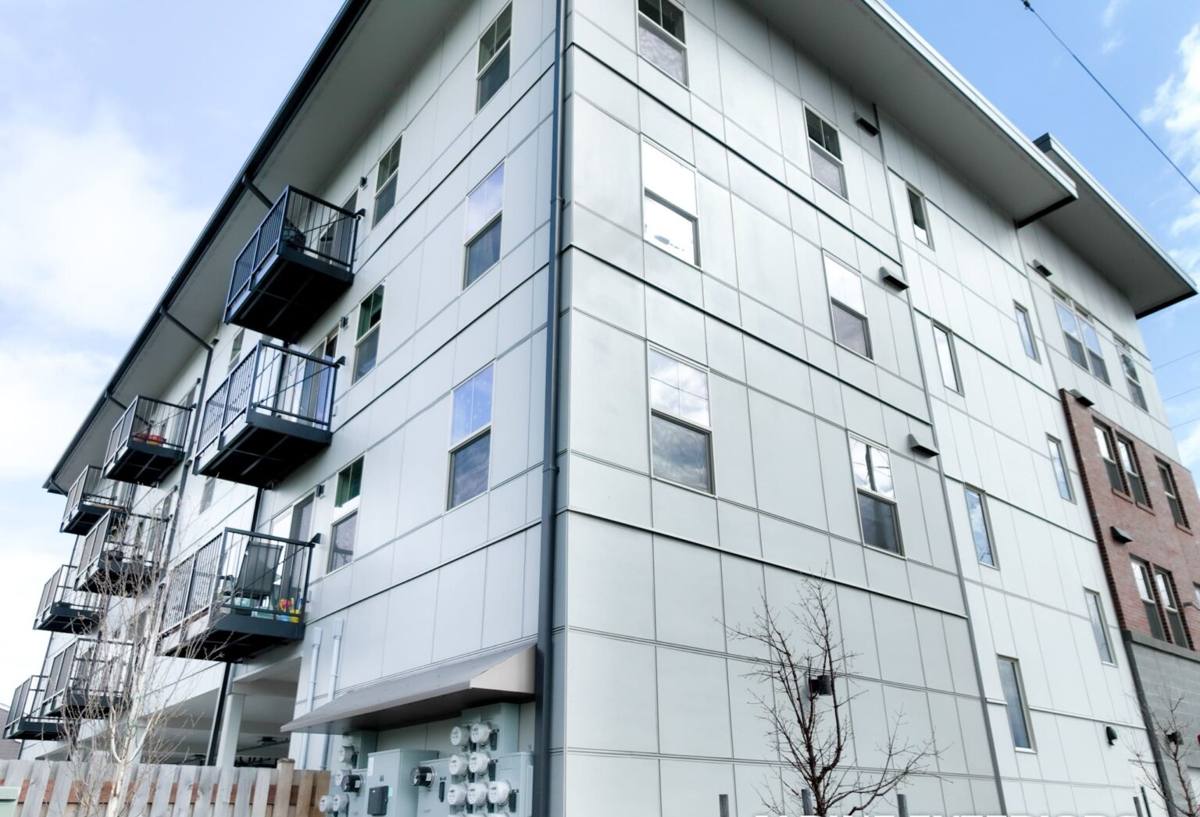
Common Siding Problems We See on Clearwater Beach Homes
Wind and Impact Damage
Tropical storms and hurricane outer bands don't need a direct hit to cause damage. Sustained wind and gusts can crack, lift, or tear loose siding panels, especially near corners and roof lines where wind pressure concentrates. Flying debris — palm fronds, loose gutters, patio furniture that wasn't secured in time — adds another layer of risk during storm season.
Moisture Intrusion at Seams, Trim, and Corners
Wind-driven rain doesn't fall straight down — it gets forced sideways and upward under eaves, around window trim, and into any gap where flashing or caulking has failed. Once water gets behind siding, it can sit against sheathing and framing for months before a homeowner notices staining, soft spots, or a musty smell. In a coastal climate this cycle happens more often and more aggressively than it does inland.
UV Fading, Chalking, and Surface Breakdown
Constant sun exposure breaks down pigments and surface coatings over time. Siding on south- and west-facing walls in particular can fade unevenly, chalk to the touch, or lose its finish well before the rest of the house shows wear — a sign the factory finish is failing and repair or refinishing is due.
Corroded or Failing Fasteners and Trim
Salt air corrodes exposed metal faster than inland air does. Nails, screws, and trim fasteners that aren't rated for coastal exposure can rust, stain the siding around them, and eventually lose their grip — which is often the real cause when a section of siding starts to work loose even though the panel itself looks fine.
Repair or Replace? How We Make the Call
Not every damaged section needs to come off the wall, and not every repair is worth doing instead of replacing a larger run of siding. We inspect first and give you a straight answer, not an upsell. Here's generally how we think about it:
| Signs it can likely be repaired | Signs replacement makes more sense |
|---|---|
| Isolated impact damage to one or two panels | Damage spread across multiple walls or elevations |
| Failed caulking or flashing with no rot yet found | Soft, spongy, or rotted sheathing behind the siding |
| Surface chalking or fading on an otherwise sound panel | Widespread moisture staining or a persistent musty odor |
| A few loose or corroded fasteners | Siding original to a home 20+ years old and near end of service life |
| Storm damage limited to a section of one wall | Recurring repairs to the same area year after year |
When damage is limited, a well-executed repair extends the life of your existing siding at a fraction of the cost of replacing it. When we find hidden moisture damage, extensive corrosion, or siding that's simply reached the end of what it can reasonably protect, we'll tell you that too — and explain why patching it further would just be spending money on a wall that needs a real fix.
What a Correct Siding Repair Actually Involves
Siding repair is easy to do poorly and easy to get away with for a while — until the next storm season shows the shortcuts. A repair worth paying for includes several steps that aren't always visible once the job is finished:
- A full inspection of the damaged area and the sections around it, not just the obviously broken panel, since coastal moisture and wind damage often extends further than what's visible from the ground.
- Careful removal of damaged siding without disturbing sound panels nearby, checking the water-resistive barrier and flashing underneath for tears, gaps, or prior water intrusion.
- Repair or replacement of any compromised sheathing, framing, or flashing found during removal — patching over a wet or damaged substrate is how the same repair ends up needed again in two years.
- Installing new material that matches the existing siding's profile and reveal so the repair is structurally sound and visually consistent, not just functionally patched.
- Proper fastening with corrosion-resistant hardware suited to coastal exposure, and correct sealant application at seams, trim, and penetrations.
- Color matching or refinishing so the repaired section blends with the surrounding siding rather than standing out as an obvious patch.
Why We Repair and Patch With James Hardie Fiber Cement
We install and repair James Hardie fiber cement siding exclusively — we don't install vinyl, LP SmartSide, primed wood, cedar, or other fiber cement brands, and that standard applies to repair work too. There are practical reasons this matters specifically for a barrier island property:
James Hardie's HZ5 product line is engineered for high-moisture, high-wind coastal climates like ours, which means replacement panels used in a repair are built for the same conditions the rest of your home is facing — not a general-purpose product being asked to perform above its design. Hardie is non-combustible fiber cement, which holds up to intense UV exposure without the softening, warping, or accelerated breakdown that can affect some wood and vinyl products in constant sun. And Hardie's ColorPlus factory finish system is formulated to resist fading and chalking far better than field-applied paint, which makes color-matching a repaired section to existing Hardie siding far more reliable than trying to match a repair on other materials.
If your home currently has non-Hardie siding, we'll still assess and discuss honest repair options for what's on the wall today — but when a repair calls for new material, or when damage is extensive enough that replacement is the right call, James Hardie fiber cement is what we recommend and install, for the same reasons it's the only product we put on new builds.
Our Process for Clearwater Beach Siding Repair
Inspection and Honest Estimate
We walk the exterior with you, document the damage, and check for underlying moisture or structural issues before quoting anything. You get a clear explanation of what we found and what we recommend — repair, partial replacement, or full replacement — along with why.
Protecting Your Home During the Work
Beachside properties often have tight lot lines, landscaping, and shared walls or fences with neighbors. We work carefully around these constraints and keep the site protected and reasonably tidy for the duration of the repair.
Repair Execution
Damaged sections are removed, the substrate is inspected and corrected if needed, and new material is installed to match existing reveal, fastening pattern, and finish — using hardware and sealants suited to coastal exposure.
Cleanup and Follow-Up
We clean up debris and fasteners from the work area before we consider the job finished, and we stand behind the repair. If something about the work isn't right, we want to hear about it.
Checklist: Signs Your Clearwater Beach Home Needs a Siding Inspection
- Visible cracks, holes, or missing sections of siding after a storm
- Panels that look warped, buckled, or loose to the touch
- Chalky residue that rubs off on your hand when you touch the siding
- Peeling, bubbling, or discolored paint or finish
- Soft or spongy spots when you press on the siding near the bottom of walls
- Water stains or a musty smell inside near an exterior wall
- Rust streaks running down from fasteners or trim
- Gaps or cracked caulking around windows, doors, or corner trim
If any of these sound familiar, it's worth having someone look before the next storm season rather than after.
Why Local Clearwater Beach Experience Matters
Barrier island properties come with practical realities that inland Pinellas County jobs don't — tighter access, salt air that accelerates every kind of corrosion, and building requirements shaped by the area's storm exposure. A crew that regularly works Clearwater Beach knows to spec corrosion-resistant fasteners as a default, not an upsell, and knows what wind-driven rain does to trim and seams here versus a few miles inland. That local familiarity shows up in fewer callbacks and repairs that actually hold through the next hurricane season, not just until the next one.
If you're dealing with storm damage, a section of siding that's failing, or you just want a professional set of eyes on your home before hurricane season peaks, we're happy to take a look. Reach out for a free, no-pressure estimate — there's a short form below to get started.