 Clearwater Siding
 Siding on a Barrier Island Is a Different Job
Clearwater Beach sits on a narrow strip of sand between the Gulf of Mexico and Clearwater Harbor, and that location changes what "good siding" means. A home three miles inland in Pinellas County deals with heat and humidity. A home on the beach deals with all of that plus direct salt-laden air, near-constant onshore wind, and the kind of driving rain that comes sideways during a summer storm or a tropical system. Siding installed to a generic standard doesn't hold up the same way here. Siding installed with the barrier-island environment in mind does.
This page is about one thing: siding installation for homes in and around Clearwater Beach, what the local climate demands from that installation, and how we approach the job so it actually performs for the long haul instead of just looking good on day one.
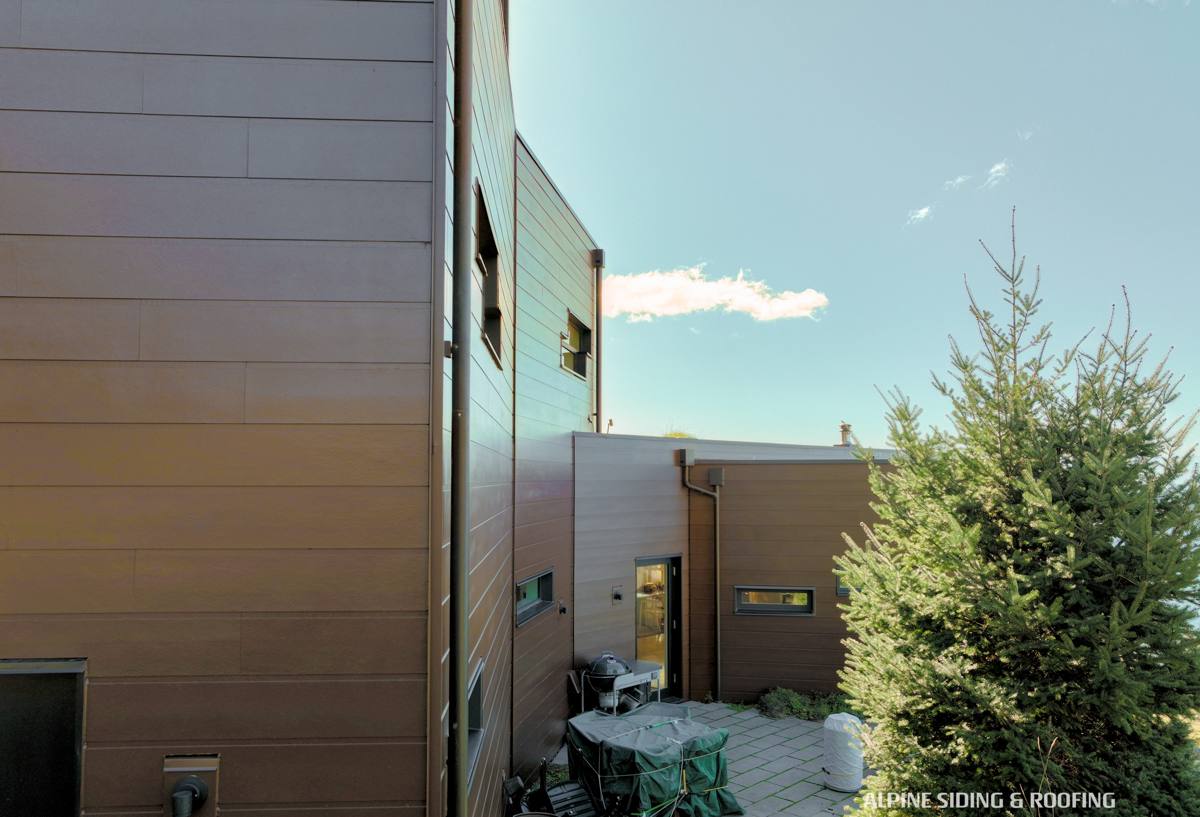
What Salt Air, UV, and Wind-Driven Rain Actually Do to Siding
Every material reacts differently to the beach environment, but the stressors themselves are consistent:
Salt Air
Airborne salt settles on exterior surfaces and accelerates corrosion of fasteners, trim accessories, and any metal components in a siding system. It also breaks down certain coatings and adhesives faster than they'd degrade in an inland environment.
Year-Round UV Exposure
Florida sun is intense on any coastal property, but a beachfront or near-beachfront home gets reflected UV off the water and sand in addition to direct exposure. Over years, this fades pigments, dries out caulk and sealants, and can make lower-quality siding materials brittle.
Wind-Driven Rain
Rain that's being pushed horizontally by wind doesn't behave like rain falling straight down. It gets forced under laps, around trim, and into any gap in the water-resistive barrier. A siding system that isn't detailed correctly for wind-driven rain will eventually let moisture into the wall assembly, even if the surface material itself is fine.
Hurricane-Force Wind
Wind uplift and pressure cycling during tropical storms and hurricanes put real mechanical stress on siding, fasteners, and the substrate underneath. Panels or planks that aren't fastened to the right pattern and spacing for the wind exposure category can fail well before the storm is over.
None of these four factors are unique to Clearwater Beach, but the combination — and the intensity of each one — is why we treat siding work here differently than we would on a standard inland Pinellas County home.
Why We Install Only James Hardie Fiber Cement
We made a decision as a company to install James Hardie fiber cement siding exclusively — not vinyl, not LP SmartSide, not cedar or primed spruce, not other fiber cement brands. On a barrier island, that decision matters more than it would somewhere inland.
Non-Combustible Material
Fiber cement is largely sand, cement, and cellulose fiber. It doesn't soften, sag, or melt in direct summer heat the way vinyl can, and it doesn't provide the fuel that wood-based products do in a fire.
Climate-Engineered HZ Product Lines
James Hardie makes region-specific formulations, and their HZ5 line is engineered for the exact combination of humidity, moisture cycling, and temperature swings found along the Gulf Coast. This isn't a marketing distinction — it affects how the product handles moisture absorption and expansion over time.
Factory-Applied ColorPlus Finish
Rather than relying on field-applied paint, ColorPlus finish is baked on at the factory under controlled conditions. It resists the fading that intense, reflective coastal UV causes to standard paint jobs, and it comes with its own finish warranty separate from the substrate warranty.
A Warranty That's Actually Transferable
James Hardie's warranty structure is designed to survive a change of ownership, which matters in a market like Clearwater Beach where vacation homes and investment properties change hands more often than typical primary residences.
We're upfront that fiber cement isn't the cheapest option on the shelf, and it's heavier and more labor-intensive to install correctly than vinyl. That's the trade-off. For a barrier-island home taking direct salt air, UV, and wind load year after year, we think it's the right one.
What a Correct Installation Actually Involves
The material is only half the equation. A lot of siding problems we get called out to inspect aren't material failures — they're installation shortcuts. Correct installation on a Clearwater Beach home means paying close attention to:
Water-Resistive Barrier and Flashing
Before a single piece of siding goes up, the wall needs a continuous water-resistive barrier with properly lapped and sealed seams, plus flashing at every window, door, and penetration. This is what actually stops wind-driven rain from reaching the sheathing — the siding itself is the second line of defense, not the first.
Fastener Pattern and Corrosion Resistance
Fastener spacing has to match the wind exposure for the site, and every fastener and trim accessory needs to be rated for coastal/salt-air exposure. Using standard fasteners on a beachfront install is a common shortcut that leads to streaking and premature corrosion within a few years.
Clearances and Gaps
Manufacturer-specified clearances above grade, decks, and roof lines, along with expansion gaps at butt joints and trim, keep moisture from wicking into the plank and give the material room to move with temperature and humidity swings without buckling.
Caulking and Sealant Choices
Not all sealants hold up to constant UV and salt exposure. Using the right sealant in the right places — and only where the manufacturer calls for it, since over-caulking can trap moisture — is a detail that's easy to skip and hard to notice until it fails.
Our Process, Start to Finish
1. On-Site Assessment
We look at the existing siding and substrate condition, wind exposure of the specific lot, and any moisture or rot already present before we talk about product or price.
2. Honest Estimate
You get a clear scope of work and a real number, not a lowball figure that turns into change orders once demolition starts.
3. Tear-Off and Substrate Check
Old siding comes off and we inspect the sheathing underneath. Hidden moisture damage from a previous installation's shortcuts gets addressed before anything new goes up.
4. Water-Resistive Barrier and Flashing Installation
This is the step that determines whether the wall stays dry for the next twenty-plus years, and it's not one we rush.
5. James Hardie Installation to Manufacturer Spec
Correct fastener pattern, clearances, and joint treatment, installed by a crew that has done this specific work on this specific island repeatedly.
6. Final Walkthrough
We go over the finished work with you directly and address anything before we consider the job done.
Coastal Climate Factors and How Correct Installation Responds
| Climate Factor | What It Does Over Time | How Correct Installation Addresses It |
|---|---|---|
| Salt air | Corrodes standard fasteners and trim, degrades some coatings | Coastal-rated fasteners and accessories throughout |
| Intense, reflected UV | Fades pigment, dries out caulk and sealants | Factory-applied ColorPlus finish instead of field paint |
| Wind-driven rain | Forces moisture under laps and around trim | Continuous water-resistive barrier, proper flashing at every penetration |
| Hurricane-force wind | Uplift and pressure cycling stress fasteners and panels | Fastener spacing matched to site wind exposure category |
| Humidity and moisture cycling | Causes expansion, contraction, and swelling in unsuited materials | James Hardie HZ5 formulation engineered for this cycling |
Signs a Clearwater Beach Home May Need New Siding
- Visible streaking or rust stains around fasteners or trim seams
- Soft or spongy spots when you press on the siding, especially near the bottom courses
- Paint or finish that's chalking, peeling, or badly faded compared to when it was installed
- Gaps opening up at butt joints or around window and door trim
- A musty smell or visible staining on interior walls that share an exterior wall
- Warping, buckling, or panels that no longer sit flat against the wall
- Siding that's original to a home more than 20-25 years old and has never been fully inspected
Why Hiring a Crew That Already Works This Island Matters
Clearwater Beach isn't a generic job site. A crew that regularly works this specific stretch of coastline already understands the wind exposure realities of a barrier island, has a feel for how salt air affects material and fastener choices, and knows the practical logistics of working on the beach — limited staging space, HOA or condo association coordination on some properties, and seasonal considerations around peak tourist months. A contractor who mostly works inland Pinellas County jobs isn't wrong for the trade, but they may not have hands-on experience with the specific failure patterns that show up on beachfront and near-beachfront homes. That experience shows up in the details: where flashing gets extra attention, which fastener spec gets used without having to look it up, and what gets double-checked before the crew leaves for the day.
What Ongoing Care Looks Like After Installation
Correctly installed James Hardie siding is low-maintenance, not zero-maintenance. A rinse-down a couple of times a year helps clear accumulated salt residue, especially on sides of the home facing the water. It's worth a visual check after any major storm for loose trim, caulk separation, or debris impact damage, and an occasional look at fastener heads and flashing details as the home ages. None of this is heavy lifting, but staying on top of it is what lets a correctly installed system reach its full service life instead of quietly deteriorating unnoticed.
If you're weighing a full re-side, patching storm damage, or just want an honest read on the condition of your current siding, we're happy to take a look. Use the form below to request a free, no-pressure estimate for your Clearwater Beach home.