 Clearwater Siding
 Board & Batten Siding in Sunset Point: A Climate-First Approach
Sunset Point sits close to the water on Clearwater's north side, which means homes here take a harder hit from the elements than siding installed further inland. Board and batten is one of the most requested looks in this part of Pinellas County — the vertical lines read as clean, modern, and coastal all at once, and it works equally well on a full-house exterior or as an accent on gables, porch fronts, and dormers. But the style only holds up if the material and the installation are matched to what this stretch of Clearwater actually deals with: sustained salt-laden humidity, intense UV exposure nearly every day of the year, wind-driven rain from summer storms, and the real possibility of hurricane-force gusts during the season.
This page is about doing board and batten correctly for a Sunset Point home specifically — not a generic rundown of the style. We'll cover what the batten profile has to survive here, how a correct installation differs from a typical inland job, and why we only install it in James Hardie fiber cement rather than wood, engineered wood, or vinyl.
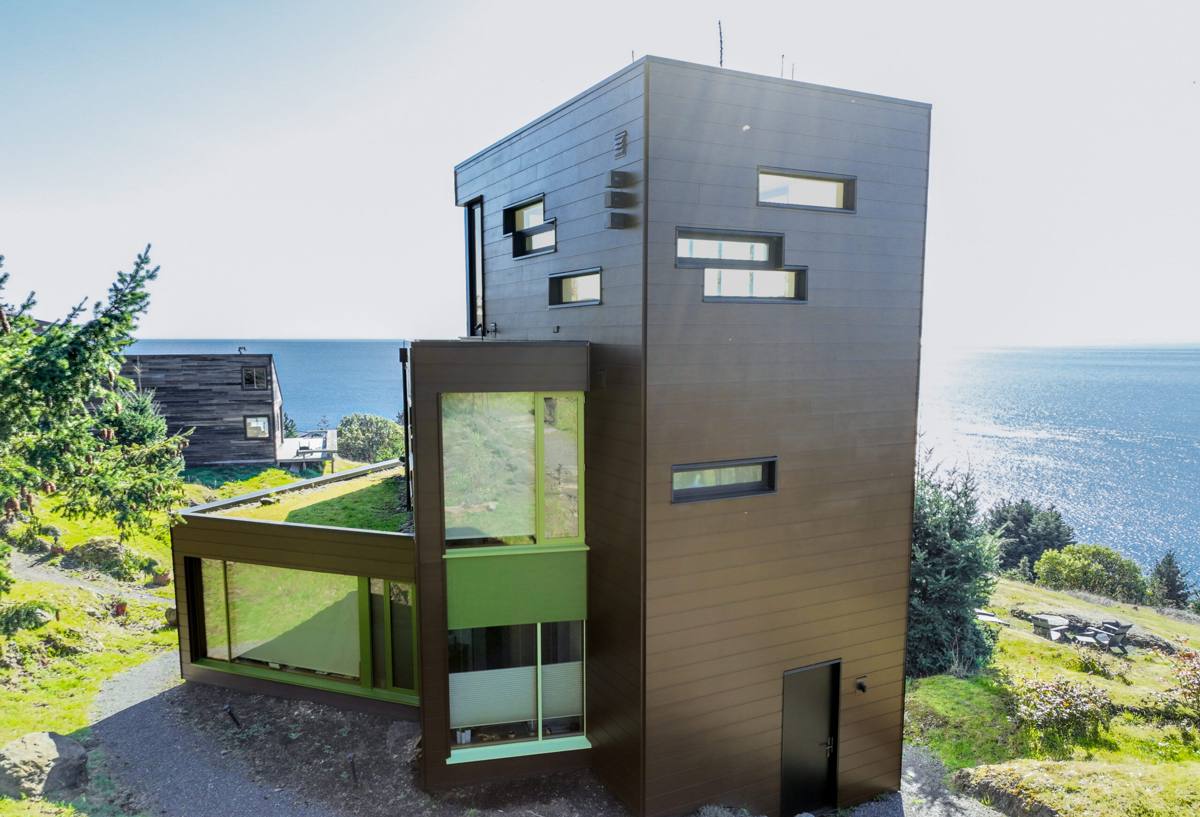
Why Board & Batten Needs Extra Scrutiny Near the Water
The board and batten look is created by wide vertical boards with narrow strips (battens) covering the seams. That seam geometry is the whole appeal — but it's also the part of the system most exposed to weather if it's built wrong. Every batten seam is a place where water can be pushed inward by wind, where UV can degrade a caulk joint, and where trapped moisture can sit against the substrate if there's no way for it to dry out.
In a neighborhood like Sunset Point, that exposure is constant rather than occasional:
- Salt air: Even homes a few blocks off the water get salt deposition on siding, trim, and fasteners. Salt is corrosive to standard fasteners and accelerates the breakdown of lower-grade coatings.
- Year-round UV: Florida sun doesn't take an off-season. A factory finish has to resist fading and chalking through summer heat and winter sun alike, not just survive a few intense months.
- Wind-driven rain: Storms here rarely fall straight down. Rain gets pushed sideways into every seam, joint, and batten reveal, which is exactly where a weak installation fails first.
- Hurricane-force wind loads: Pinellas County sits in a wind-borne debris region, and siding attachment has to be engineered for uplift and lateral pressure, not just nailed on by eye.
None of this means board and batten is a bad choice for Sunset Point — it means the material and the fastening schedule matter more here than they would on a sheltered inland lot.
Why We Only Install Board & Batten in James Hardie Fiber Cement
We get asked regularly about wood board and batten, engineered wood options like LP SmartSide, and vinyl board and batten panels. All three can look decent on day one. Our concern is what happens by year five and year ten in a coastal-influenced climate, which is why we standardized on James Hardie fiber cement for every board and batten job we do.
Real wood and primed spruce
Traditional wood board and batten has genuine charm, and in a dry inland climate it can perform reasonably well with diligent upkeep. Near the Gulf, wood is fighting humidity, salt, and UV simultaneously. Battens and boards move with moisture, paint fails faster under this sun, and any gap that opens at a seam gives water a direct path to the substrate. Maintaining it properly means a repaint cycle far more often than most homeowners want to commit to.
Engineered wood (LP SmartSide and similar)
Engineered wood siding is wood-based, which means its long-term performance depends heavily on the finish staying intact and every cut edge being properly sealed at installation. In a climate with this much sustained humidity and intense sun, we've found the margin for installation error is too thin, and the maintenance commitment to keep the product performing over decades is a hard ask for most owners. We'd rather not put a product on a Sunset Point home that punishes a missed step years down the line.
Vinyl board and batten
Vinyl is affordable and low-maintenance in mild climates, but it's a poor match for this specific look and this specific location. Board and batten depends on crisp, flat vertical lines, and vinyl expands and contracts significantly with heat, which can lead to visible waviness under the intense sun exposure typical here. Vinyl also has a lower wind-load ceiling than fiber cement, which matters in a hurricane wind zone.
Why James Hardie
James Hardie's fiber cement board and batten system is non-combustible, dimensionally stable in heat and humidity, and comes with a factory-applied ColorPlus finish engineered to resist fading, chipping, and cracking better than field-applied paint. Hardie's HZ5 product line is specifically engineered for hot, humid, moisture-heavy climates like ours. It carries a strong transferable limited warranty, which matters more here than in most parts of the country given how hard this climate works exterior materials. This is the reason we've standardized on it rather than offering a menu of lower-cost alternatives.
Material Comparison for Coastal Pinellas County
| Factor | Wood / Primed Spruce | Engineered Wood | Vinyl | James Hardie Fiber Cement |
|---|---|---|---|---|
| Moisture resistance | Weak without constant upkeep | Moderate, finish-dependent | Good, but not the concern | Engineered for humid climates (HZ5) |
| UV / fade resistance | Repaint every few years | Finish fades over time | Can chalk and discolor | Factory ColorPlus finish, long fade resistance |
| Dimensional stability in heat | Moderate | Moderate | Can warp or wave in direct sun | Stays flat, holds crisp batten lines |
| Wind/impact performance | Depends on fastening | Depends on fastening | Lower wind-load ceiling | Rated for high wind zones when installed to spec |
| Combustibility | Combustible | Combustible | Combustible | Non-combustible |
| Typical maintenance cycle | Frequent repainting | Regular finish upkeep | Low, but appearance can suffer | Minimal — occasional wash and inspection |
What a Correct Board & Batten Installation Actually Involves
Board and batten is unforgiving of shortcuts because every vertical seam is a potential water entry point. On a Sunset Point home, we treat the following as non-negotiable:
Water management behind the siding
A weather-resistive barrier and proper flashing at every window, door, and penetration go in before a single board is hung. Board and batten should be installed with a drainage plane behind it so that any moisture that does get past the surface has somewhere to go rather than sitting against the sheathing.
Fastening for wind uplift
Fastener type, spacing, and embedment are specified to meet local wind-load requirements, not just "enough nails to hold it up." This is where a lot of cut-rate installs fail quietly — the siding looks fine until the first real windstorm tests it.
Batten spacing and reveal consistency
The visual appeal of board and batten comes from even, straight lines. That means accurate layout before install, not adjustment on the fly, and it means every board is cut and fastened to manufacturer specification so the reveals stay consistent across the whole elevation.
Caulking and joint treatment done to spec
Manufacturer-approved sealant at the right joints, and only at the joints that need it. Over-caulking traps moisture; under-caulking lets it in. This is a detail that separates a correct Hardie installation from a rushed one.
Fastener and trim material selection
Given the salt exposure this close to the water, fastener material and trim accessories are chosen to resist corrosion, not just whatever is cheapest on the truck that day.
Our Process for Sunset Point Homes
- On-site evaluation: We look at existing siding condition, moisture history, window and door flashing, and how each elevation is exposed to prevailing wind and rain direction.
- Substrate check: Any sheathing or framing damage found during tear-off gets addressed before new siding goes up — covering a wet or compromised substrate is how good siding fails early.
- Water management install: Weather barrier and flashing details go in first, matched to the specific penetrations on your home.
- Board and batten installation to spec: Layout, fastening schedule, and reveal spacing are executed to James Hardie's published installation requirements for our wind zone and climate.
- Trim and joint detailing: Corners, window and door trim, and sealant joints finished to manufacturer spec for a clean line and a properly sealed building envelope.
- Final walkthrough: We review the completed elevations with you and go over basic care before we consider the job done.
Cost Factors for a Sunset Point Project
Every home is different, but the line items that move the price on a board and batten job here are fairly consistent:
| Cost Factor | Why It Matters Locally |
|---|---|
| Extent of tear-off and substrate repair | Humidity and prior water intrusion sometimes mean hidden sheathing damage |
| Wall height and complexity | Gables, dormers, and multi-story walls take more labor and staging |
| Trim and corner detailing | Clean batten lines around windows, doors, and corners take more precision time |
| Color and finish selection | ColorPlus factory finishes vary by line and color |
| Fastener and flashing upgrades | Salt-air corrosion resistance adds a modest material cost |
We'll always give you a written, itemized estimate before any work starts rather than a vague ballpark.
What to Look For When Hiring a Board & Batten Contractor Here
Board and batten hides installation mistakes well at first glance — it can look perfect for a year or two before a poorly flashed seam or under-fastened panel shows itself. That makes contractor selection more important than it might seem. Before hiring anyone for this work in Sunset Point or elsewhere in Clearwater, it's worth confirming:
- They are licensed and insured to do exterior work in Florida and Pinellas County
- They can explain their fastening schedule and how it accounts for local wind requirements
- They install to the manufacturer's published specifications, not a generalized approach
- They pull the required permits rather than treating siding as a no-permit cosmetic swap
- They'll show you the water management plan before boards go up, not after
A crew that regularly works this specific stretch of Clearwater already understands the wind exposure, the salt air, and how local permitting and inspection works — that familiarity shows up in fewer surprises during the job.
Living With Board & Batten Siding on the Gulf Coast
Once it's installed correctly, board and batten in James Hardie fiber cement is genuinely low-maintenance for this climate. A periodic rinse to clear salt residue and pollen, a visual check of caulked joints once a year, and prompt attention to any impact damage are really the extent of it. There's no repainting cycle to manage and no wood to monitor for rot at the seams. The ColorPlus finish is designed to carry its color through Clearwater's UV exposure without the upkeep that wood or engineered wood siding demands.
Ready for a Straight Answer on Your Sunset Point Home?
If you're weighing board and batten for a home in Sunset Point or anywhere else in Clearwater, we're happy to walk your property, look at your current siding condition, and give you an honest read on what the job actually involves and what it will cost. Use the form below to request a free, no-pressure estimate.