 Clearwater Siding
 Board & Batten Siding Built for Life on Clearwater Beach
Board and batten is one of the most requested looks for homes on Clearwater Beach and along the surrounding barrier island — wide vertical boards with narrow battens covering the seams, giving a home that clean coastal-cottage or craftsman look that works so well this close to the Gulf. It's used as a full-elevation siding, as an accent on gables and dormers, or to dress up an entryway. But on a barrier island property, the look is only half the job. The material and the installation both have to hold up to hurricane-force wind, near-constant UV exposure, wind-driven rain, and salt air — four conditions that hit vertical siding harder than they hit almost anywhere else in Pinellas County.
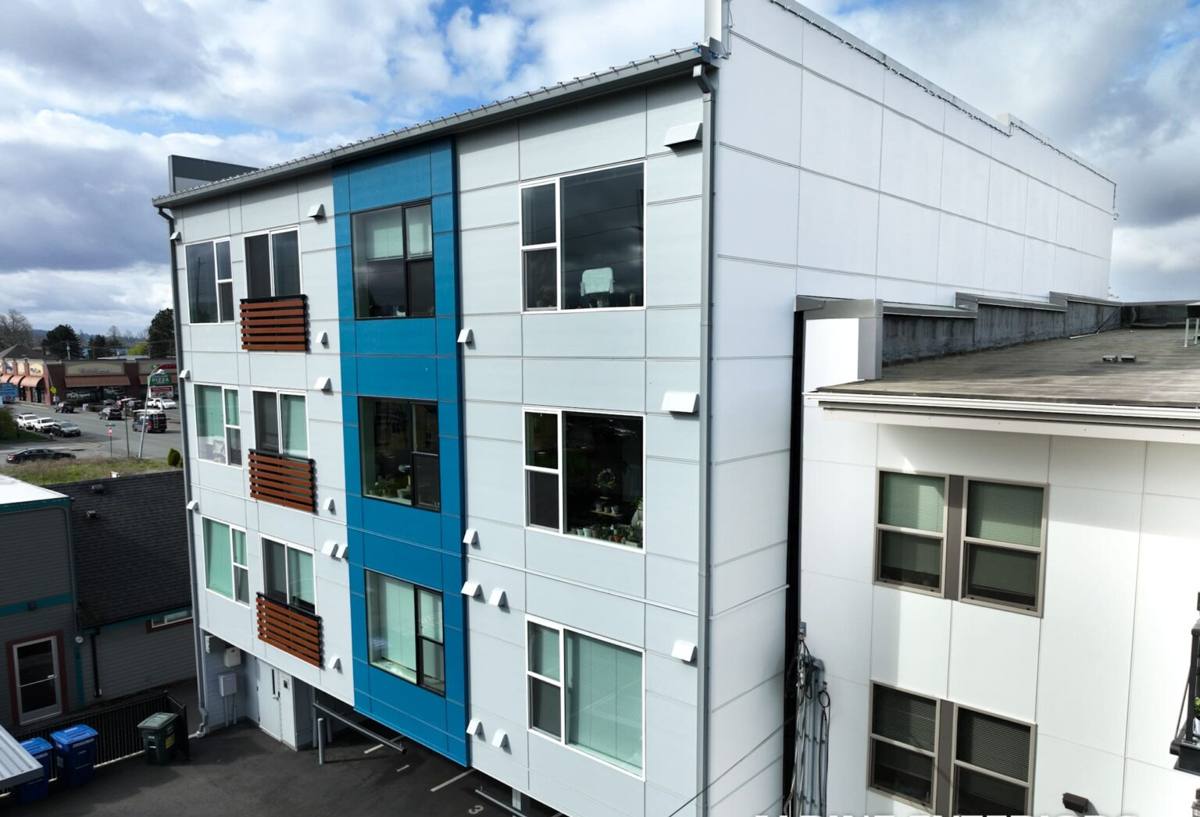
What Clearwater Beach's Climate Actually Does to Vertical Siding
Homes a block or two from the water deal with a different set of stresses than homes further inland, and board and batten siding is more exposed to those stresses than horizontal lap siding because of how it's built.
Sun and UV
Florida's sun is intense year-round, and vertical boards on south- and west-facing elevations take direct exposure for most of the day. Paint finishes that aren't factory-cured tend to chalk, fade, or break down faster under that kind of exposure, and once a finish starts to go, the boards underneath are exposed too.
Wind
Clearwater Beach sits directly in the path of Gulf storm systems, and hurricane-force gusts are a real design consideration here, not a hypothetical. Board and batten has more vertical seams and butt joints than lap siding, and every one of those joints is a place wind can get behind the panel if the fastening and flashing weren't done to spec.
Wind-Driven Rain
Rain during a coastal storm doesn't just fall — it drives sideways and even upward under eaves and around corners. The batten strips on this style of siding are designed to shed that water, but the batten only works as a water management system if what's behind it (housewrap, flashing tape, proper gapping) is installed correctly. The batten is not a substitute for that system.
Salt Air
Airborne salt corrodes metal steadily over time — fasteners, trim flashing, and any hardware that isn't rated for coastal exposure. Board and batten has more exposed fastener heads than lap siding, so fastener grade and placement matter more here than they would on a house fifteen miles inland.
Why Board & Batten Is Less Forgiving Than Standard Lap Siding
Board and batten looks simple, but it's a less forgiving system to get right. Lap siding overlaps itself horizontally, shedding water naturally course by course. Board and batten relies on the batten strip to cover a vertical seam, which means the seam itself has to be properly prepped and backed before the batten ever goes on. If the panel material behind that seam swells, cups, or absorbs moisture at the cut edge, the batten will hide the problem for a while — right up until it doesn't. That's a real consideration on a barrier island with humidity and salt air working on the material year-round, and it's a big part of why we're selective about what we install in this application.
Why We Only Install James Hardie for Board & Batten on Clearwater Beach Homes
We standardized on James Hardie fiber cement for every siding job we take, board and batten included, and the reasons matter more here than in a lot of other markets.
- Climate-engineered formulation: Hardie's HZ10 product line is formulated for high-humidity, high-moisture Gulf Coast climates specifically — it's not a one-size-fits-all product shipped the same way to every region of the country.
- ColorPlus factory finish: the color is baked on and UV-cured at the factory rather than sprayed on site, which holds up better against fading and chalking under constant Florida sun than field-applied paint.
- Non-combustible fiber cement: it doesn't feed a fire the way wood-based products can, and it doesn't provide the food source that pests and rot organisms look for.
- Dimensional stability: fiber cement doesn't swell and contract with humidity swings the way wood and wood-based panel products do, which means the seams under those battens stay tighter for longer.
- Strong transferable warranty backed by a manufacturer with decades in the fiber cement business, not a startup formulation.
What a Correct Board & Batten Installation Actually Involves
The finished look of board and batten hides almost everything that determines whether it will actually perform. A correct installation on a Clearwater Beach home includes:
- A code-compliant weather-resistive barrier installed first, with flashing integrated at every seam, window, door, and penetration — not caulk applied after the fact as a patch.
- Fasteners driven into structural framing, not just sheathing, using corrosion-resistant fasteners rated for coastal exposure.
- Correct gap and clearance behind the battens per the manufacturer's written fastening and spacing specification, so the assembly can move and drain the way it was engineered to.
- Z-flashing over horizontal trim, window heads, and any transition where water can collect and run behind the siding.
- Sealing done according to Hardie's published installation instructions — the right sealant, in the right joints, not everywhere.
- Fastening patterns and clearances that meet or exceed Florida Building Code wind-load requirements for this area's wind zone.
Skip any one of these steps and the siding can still look right for a year or two. The problems that show up when it's installed wrong tend to show up behind the wall, not on the surface — which is exactly why the installation matters as much as the material.
Comparing Board & Batten Material Options
| Material | Behavior in Coastal Humidity | Wind & Impact Durability | Maintenance |
|---|---|---|---|
| James Hardie fiber cement | Engineered for humid Gulf Coast climates; dimensionally stable | Rated for high-wind installation when fastened to spec | Low — factory finish, no repainting cycle needed for many years |
| Vinyl board & batten panels | Won't rot, but can warp or become brittle under intense heat and UV | Can crack or blow off in high wind if not rated and installed correctly | Low, but color is molded-in and cannot be refreshed once it fades |
| Engineered wood (OSB-based) | More prone to swelling and edge deterioration in high-humidity, salt-air environments | Adequate when new, but performance depends heavily on moisture exposure over time | Moderate to high — finish and seams need ongoing attention |
| Real wood boards | Absorbs moisture readily; needs consistent sealing to resist coastal humidity | Performs well structurally but is labor-intensive to maintain | High — regular painting/sealing required |
Our Process for Board & Batten Installation in Clearwater Beach
We approach every board and batten job on the beach the same way, whether it's a full elevation or an accent feature:
- On-site assessment: we look at sun exposure, existing wall condition, current moisture readings, and how the home has weathered so far.
- Tear-off and inspection: old siding comes off and we inspect the sheathing underneath for hidden moisture damage before anything new goes up.
- Repair as needed: any compromised sheathing or framing gets addressed before the new assembly goes on — never covered over.
- Weather barrier and flashing: housewrap and flashing are installed and integrated at every seam and opening.
- Panel and batten installation: Hardie board and batten components go on to manufacturer spec, with coastal-rated fasteners driven into framing.
- Finishing: caulking and touch-up follow Hardie's written finishing requirements, not generic shortcuts.
- Final walkthrough: we go over the finished job with you before we consider it done.
Why Hiring a Crew That Already Works Clearwater Beach Matters
Barrier island work has its own logistics: bridge access, permitting through the City of Clearwater and Pinellas County, and often an HOA or architectural review process specific to beach communities. A crew that already works this area knows the local wind zone fastening requirements, uses fastener and flashing specs suited to salt air exposure without being told, and understands how to sequence exterior work around Florida's hurricane season. That local familiarity shows up in the details — the ones you can't see once the siding is up, but the ones that determine whether it holds up through the next storm season.
Choosing a Board & Batten Look for Your Home
Board and batten works as a full exterior, or as an accent on gables, dormers, and entry features paired with lap siding elsewhere on the home. Hardie's board and batten components come in different reveal widths, so the spacing can be tuned to match the scale of the house. On a sun-exposed beach property, lighter ColorPlus finishes tend to run cooler and show less fading contrast over time than very dark colors, though the right choice always comes down to what fits the house and the block.
If you're considering board and batten siding for a home on Clearwater Beach, we're happy to take a look and walk you through what your specific house needs — no pressure, no obligation. Request a free estimate below and we'll go from there.