 Clearwater Siding
 Belleair's Siding Has a Harder Job Than Most
Belleair sits close enough to the Gulf and Intracoastal that its homes take a different kind of beating than siding fifty miles inland. Salt-laden air corrodes fasteners and finishes faster. Afternoon sun bakes the west and south elevations nearly every day of the year. Summer storms bring wind-driven rain that finds every gap in a wall assembly, and a direct hurricane track can put sustained high winds and flying debris against a home's exterior with almost no warning. Siding here isn't just a cosmetic layer — it's the first line of defense for the wall structure behind it, and it needs to be treated that way from the first estimate to the last piece of trim.
A lot of siding problems we see in Belleair and the surrounding Pinellas County neighborhoods aren't failures of the material itself — they're failures of installation choices made for an easier climate. Products and methods that hold up fine in a dry, mild region often struggle here within a handful of years. That's the gap a local replacement job needs to close.
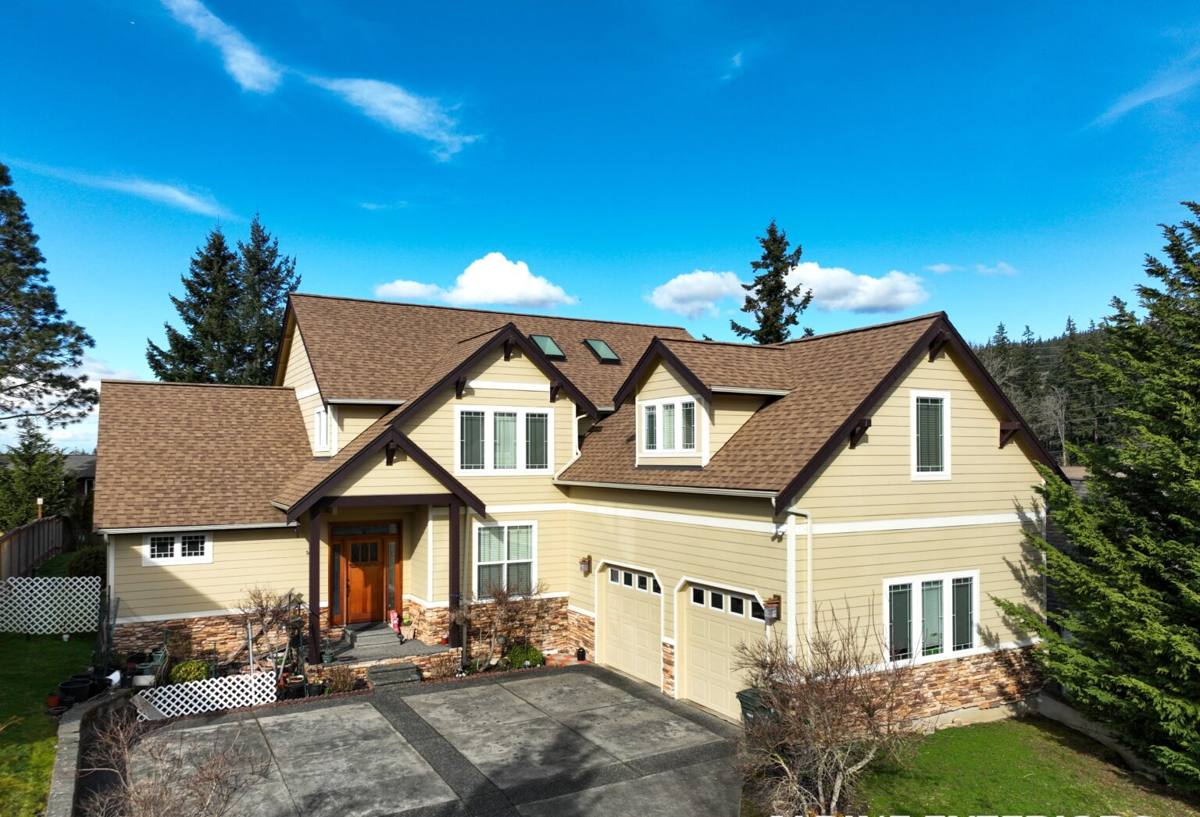
What Correct Siding Replacement Actually Involves
Replacing siding is not just pulling off old panels and nailing up new ones. Done right, it's a full wall-assembly project with several layers that each do a specific job:
- Full tear-off and inspection — removing old siding down to the sheathing so the crew can actually see the wall, not guess at its condition.
- Sheathing repair — replacing any rotted, delaminated, or water-damaged panels before anything new goes up.
- A continuous weather-resistive barrier — properly lapped and taped so wind-driven rain sheds downward instead of finding a path inward.
- Correct flashing at every penetration — windows, doors, hose bibs, light fixtures, and anywhere else something passes through the wall.
- Manufacturer-spec fastening — the right fastener type, spacing, and embedment for the wind zone the home is actually in.
- Finish details — trim, corners, and caulking installed in a way that sheds water rather than trapping it.
Skip or shortcut any one of these steps and the new siding can look fine on day one while still being set up to fail early — usually in the exact way this coastal climate is best at exploiting: trapped moisture, corroded fasteners, or wind uplift at a poorly fastened edge.
Why We Install Only James Hardie Fiber Cement
We install one siding system: James Hardie fiber cement. We don't install vinyl, LP SmartSide, Cemplank, Allura, or primed wood siding like spruce or cedar, and we're upfront with homeowners about why.
Vinyl siding is affordable and low-maintenance, but it's a petroleum-based plastic product that softens and can warp under sustained direct heat, and it's not rated to withstand the wind speeds this coastline sees in a serious storm — most vinyl products carry wind ratings well below what fiber cement systems achieve. Engineered wood products like LP SmartSide use wood strand cores that perform well in drier climates, but wood-based cores are inherently more vulnerable to the sustained humidity and moisture exposure of a Gulf Coast property if any water gets behind the panel. Primed spruce or cedar siding needs a maintenance schedule — repainting, caulk checks, moisture monitoring — that most homeowners don't want to keep up with in a climate this demanding, and gaps in that schedule show up as rot.
Other fiber cement brands like Cemplank and Allura are legitimate products, but we've standardized on James Hardie specifically because of its ColorPlus factory-baked finish, its HardieZone engineering for humid coastal climates, and the depth of its installed track record in exactly this kind of environment. Fiber cement doesn't burn, doesn't attract termites, and doesn't soften in direct sun the way vinyl can. It holds paint and color far longer than wood because the ColorPlus finish is baked on at the factory rather than applied on site. For a Belleair home facing salt air, UV, and hurricane risk every year, that combination is what we're willing to put our name behind.
Built for This Exact Climate: HardieZone HZ5
James Hardie engineers its products by climate zone, and Pinellas County falls in the HZ5 zone — the company's specification for humid, high-moisture regions. HZ5 products use a formulation and finish system designed to resist moisture-related damage and hold color under intense UV exposure, which matters on a peninsula that gets sun nearly every day of the year. This isn't a marketing distinction — it's a different product recipe than what gets shipped to drier inland climates.
Our Belleair Siding Replacement Process
Every job follows the same sequence, whether it's a single elevation repair after storm damage or a full re-side:
- On-site assessment — we walk the exterior, check for moisture intrusion, soft sheathing, and any storm or age-related damage before quoting anything.
- Written scope and product selection — profile, exposure, and color chosen together with the homeowner, with the reasoning explained, not just a swatch book.
- Tear-off and sheathing repair — old material removed, damaged sheathing replaced, framing inspected while it's exposed.
- Weather barrier and flashing installation — the layer that does the real waterproofing work, installed before a single piece of Hardie goes up.
- Hardie installation to manufacturer spec — correct fastener schedule, gapping, and clearances for this wind zone.
- Trim, caulking, and final detailing — the finish work that determines how clean the job looks and how well it sheds water long-term.
- Final walkthrough — going over the finished work with the homeowner before calling the job done.
Signs a Belleair Home May Need Siding Replacement
Siding damage isn't always obvious from the driveway. Some of the most common signs we find during an inspection include:
- Visible cracking, warping, or bubbling on the siding surface
- Soft or spongy spots when you press on the siding by hand
- Peeling or fading paint that keeps coming back after repainting
- Visible gaps, rot, or staining around window and door trim
- A musty smell or visible moisture damage on interior walls that back up to exterior siding
- Siding panels that flex, rattle, or show movement in wind
- Previous storm damage that was patched rather than properly repaired
Any one of these on its own might just need a repair. Several together, especially on a home that's had multiple storm seasons pass without a full inspection, usually mean it's time to talk about replacement rather than another patch.
What Drives the Cost of a Siding Replacement
Every Belleair property is different, so we won't quote a number without seeing the home, but these are the factors that move the price up or down on most jobs:
| Factor | How It Affects the Job |
|---|---|
| Home size and elevation count | More square footage and more complex rooflines mean more material and labor time |
| Sheathing condition | Rotted or water-damaged sheathing found during tear-off adds repair work before new siding goes up |
| Siding profile chosen | Lap siding, board-and-batten, and shingle-style Hardie profiles carry different material and labor costs |
| Trim and detail work | Homes with more windows, corners, and architectural detail take longer to flash and finish correctly |
| Access and site conditions | Landscaping, fencing, and tight lot lines can slow staging and cleanup |
| Color and finish selection | Custom ColorPlus finishes versus standard palette options can shift material cost |
The honest range for a full siding replacement varies widely based on these factors — which is exactly why we walk the property first instead of quoting over the phone.
Why Hiring a Crew That Already Works in Belleair Matters
Siding installation is sensitive to conditions a crew doesn't see on a spec sheet — how a particular street's tree cover holds humidity against a wall, how a home's orientation to the Gulf affects which elevation takes the worst weather, or how a neighborhood's typical construction era affects what's likely hiding behind the old siding once it comes off. A crew that regularly works Clearwater and the surrounding Pinellas County communities has already seen these patterns play out on homes similar to yours, and that experience shows up in fewer surprises mid-project and a finished job that's built for the conditions it will actually face, not a generic set of instructions.
It also matters for accountability. A local, established crew is easy to reach if a question comes up after the job is done, and has a real stake in its reputation in the community it works in — not just the job in front of it.
Maintenance and What to Expect After Installation
One of the practical advantages of James Hardie fiber cement is how little upkeep it asks for compared to painted wood siding. A rinse with a garden hose a couple of times a year to clear salt residue and debris, and a visual check after major storms for any impact damage, cracked caulk lines, or loose trim, is generally enough to keep the system performing as designed. Because the ColorPlus finish is factory-applied, homeowners aren't stuck on a repainting cycle the way they would be with primed wood siding — though touch-up paint is available for the rare ding or scratch. James Hardie also backs its products with a strong transferable limited warranty, which matters if you ever sell the home — it's a tangible asset for the next owner, not just peace of mind for the current one.
Let's Take a Look at Your Home
If your Belleair home's siding is showing its age, took a hit in a recent storm, or you're simply planning ahead before the next hurricane season, we're glad to come take a look. The estimate is free, there's no pressure attached to it, and you'll get a straight answer about what your siding actually needs — not a sales pitch. Fill out the form below and we'll set up a time to walk the property with you.