 Clearwater Siding
 Why Belleair Homes Need Windows Built for This Climate
Belleair sits close enough to the Gulf that its homes take a different kind of beating than houses even a few miles inland. Salt-laden air corrodes hardware and frame components faster than most manufacturers' standard warranties anticipate. Year-round UV breaks down vinyl, seals, and low-quality glazing coatings. Wind-driven rain during summer storms finds every gap in a poorly flashed window opening. And when a named storm tracks anywhere near the Pinellas County coastline, the windows in a home are one of the first things put to the test by sustained hurricane-force wind and flying debris.
A window that works fine in a drier, calmer climate can fail here within a few years — not catastrophically, but in the slow, expensive ways homeowners notice too late: fogged glass, swollen frames, sticking sashes, and a spike in cooling costs. Custom windows done right for a Belleair home account for all of this from the start, not as an afterthought.
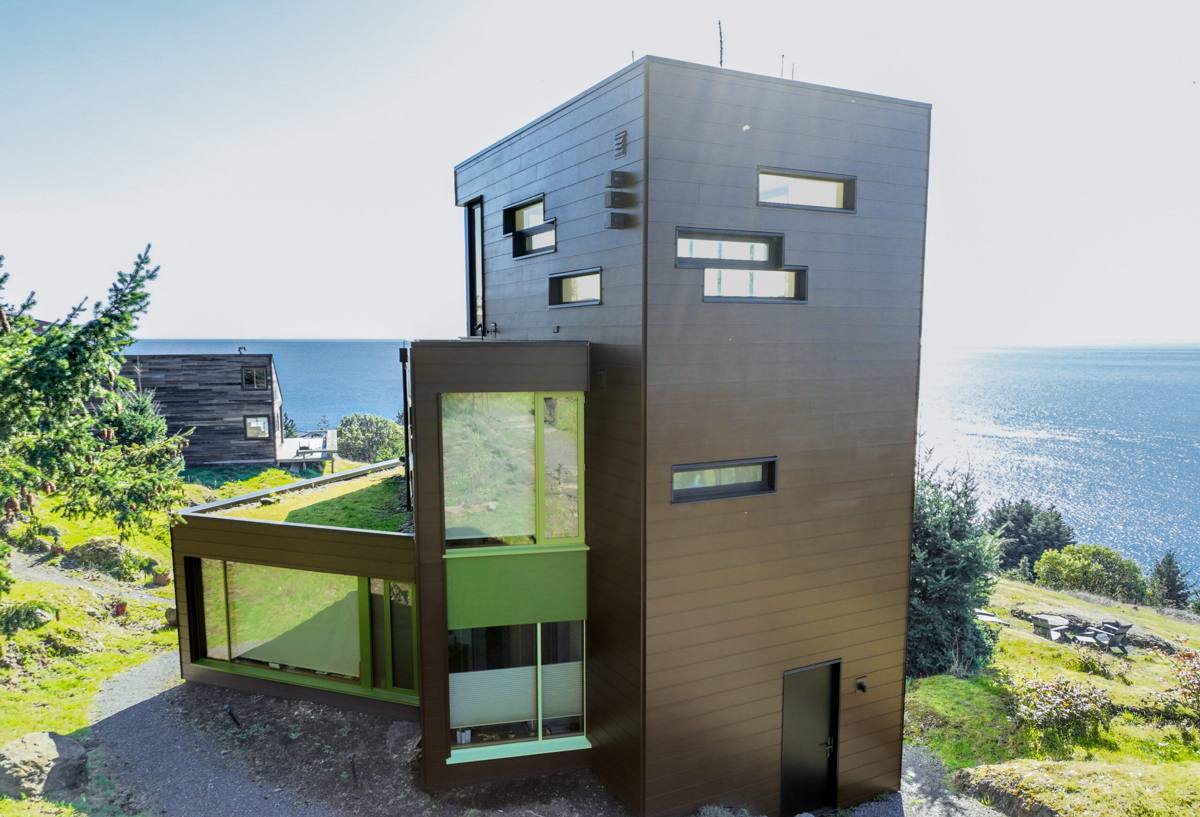
What a Correctly Installed Custom Window Involves
"Custom" doesn't just mean a non-standard size or a decorative grid pattern. It means the window is specified and installed to match the actual conditions of the opening and the house, not just pulled off a shelf and forced to fit. That includes:
Accurate Sizing and Structural Fit
Older Florida homes and additions often have openings that are slightly out of square or don't match modern standard sizes. A custom window is built to the real dimensions of the opening rather than requiring the opening to be reframed or the gaps shimmed and caulked into submission.
Correct Flashing and Water Management
This is the part that matters most and shows the least. Proper flashing tape, sill pans, and weather-resistant barrier integration direct water away from the framing even when wind-driven rain is pushing water sideways into the wall. Skipping or rushing this step is the single most common reason a "brand new" window leaks within its first year or two.
Glass and Frame Matched to Sun Exposure
Not every elevation of a house needs the same glass package. West- and south-facing windows in particular take the brunt of Florida's UV and heat load, and the glass spec should reflect that rather than using one generic package on every opening.
Signs Your Current Windows Are Letting You Down
Homeowners often live with a failing window for years before calling anyone, mostly because the symptoms show up gradually. Worth a look if you notice:
- Fogging or a hazy film between panes of double-pane glass — the seal has failed and the insulating gas is gone
- Frames that feel soft, chalky, or discolored, especially on wood or older vinyl units
- Windows that are hard to open, close, or lock, or that no longer sit flush in the frame
- Visible daylight or a draft around the frame when the window is closed
- Condensation forming on the inside of the glass regularly, even when the AC is running normally
- A noticeable rise in cooling costs without any other explanation
- Hardware — hinges, locks, cranks — that's pitted, rusted, or seized from salt exposure
Any one of these on its own might just mean a repair. Several together, especially on a house that's had its original windows for 15–20+ years, usually means it's time to talk about replacement rather than another round of caulk and adjustment.
Material and Glass Options for Belleair Homes
There's no single "best" window material — the right choice depends on the home's style, budget, and how exposed a given wall is to sun and salt air. Here's how the common options actually compare for a coastal Pinellas County property:
| Option | Coastal Durability | Maintenance | Best Fit |
|---|---|---|---|
| Vinyl (impact-rated) | Good — won't rust or rot | Low — occasional cleaning | Most Belleair homes; strong value for the durability |
| Aluminum | Very good structurally, needs a quality finish to resist salt pitting | Low to moderate | Larger openings, modern or mid-century homes |
| Fiberglass | Excellent — very stable in heat and humidity | Low | Homeowners prioritizing longevity over upfront cost |
| Wood / wood-clad | Weakest against salt air and moisture without diligent upkeep | High — regular sealing and inspection | Historic-style homes where the look is the priority |
We'll walk through these honestly for your specific openings — including where wood-look composite or clad options can give you the appearance you want without the maintenance burden of solid wood in a coastal setting.
Impact Ratings, Wind Zones, and Pinellas County Permitting
Belleair falls within Pinellas County's high-velocity wind zone requirements, which means window replacements are governed by Florida Building Code wind load and impact standards, not just personal preference. In practice, that means:
Impact-Rated Glass
Impact windows use a laminated glass interlayer that keeps the glass intact even when struck by debris, rather than shattering into the home. They also block wind-driven rain intrusion far better than standard glass and typically qualify for better insurance treatment on windstorm coverage.
Non-Impact with Shutter Protection
Standard glass windows paired with code-compliant shutters or panels remain an option in some cases, though they require action before every storm rather than built-in protection.
Permitting
Window replacement in Belleair and unincorporated Pinellas County generally requires a permit with product approval documentation tying the specific window to its wind load rating. We handle this as part of the job — it's not an extra homeowners should have to chase down themselves after the fact.
Our Custom Window Process
The process is the same whether it's one window or a whole-house replacement, just scaled accordingly:
- On-site assessment — we measure every opening individually, check for existing water damage or framing issues, and note sun exposure per elevation
- Product selection — we go over material, glass package, and impact-rating options against your budget and priorities, no pressure toward the most expensive option
- Permitting — we pull the required permit and handle product approval documentation for Pinellas County
- Removal and prep — old windows come out, and we inspect the framing underneath for rot, prior water intrusion, or structural issues before anything new goes in
- Installation — includes proper sill pan and flashing work, correct shimming and leveling, and manufacturer-specified fastening
- Sealing and finish — interior and exterior sealing, trim work, and a final operational check on every unit
- Walkthrough — we go over care, warranty coverage, and what to expect before we consider the job finished
We don't consider a window install complete until it opens, closes, locks, and seals the way it should — not just until it's sitting in the opening.
What Affects the Cost of Custom Windows
Costs on a custom window job vary more than most homeowners expect, and it's worth understanding why before you compare quotes:
| Factor | Why It Matters |
|---|---|
| Window size and opening shape | Non-standard or oversized openings require true custom fabrication |
| Impact rating | Laminated impact glass costs more than standard glass but reduces storm-prep needs and can lower insurance premiums |
| Frame material | Vinyl, aluminum, fiberglass, and wood carry different material and fabrication costs |
| Number of openings | Whole-house replacement typically has a lower per-window cost than a single unit |
| Existing damage | Rotted or water-damaged framing found during removal adds repair work before the new window goes in |
| Access and elevation | Upper-story or hard-to-reach openings take more labor time |
We give straightforward, itemized quotes so you can see exactly what's driving the price — not a flat per-window number that hides what you're actually paying for.
Maintenance Checklist for Coastal Window Longevity
Even a well-installed window needs some basic upkeep in a salt-air climate. A short routine goes a long way:
- Rinse frames and hardware with fresh water every few months to clear salt residue, especially on homes closer to the water
- Check and clean weep holes so water can drain out of the frame rather than pooling
- Inspect exterior caulk and sealant lines once a year and re-seal any cracked or separated joints
- Lubricate locks, hinges, and cranks periodically to prevent salt-related corrosion from seizing them up
- Watch for early signs of seal failure (fogging) so a single pane can be addressed before the whole unit needs replacing
- Have shutters or storm panels ready and functional well before hurricane season, even with impact-rated glass
Why Local Experience in Belleair Matters
Windows sold and installed the same way in Ohio or inland Georgia aren't automatically the right call for a home a short distance from Clearwater Harbor and the Gulf. A crew that regularly works Belleair and the surrounding Clearwater area already knows which flashing details actually hold up against wind-driven rain here, which glass packages make sense on a west-facing wall in Florida sun, and what Pinellas County's permitting and wind-load requirements actually require — not just in general, but for this specific area's building department. That local track record shows up in fewer callbacks, fewer surprises during installation, and a job that's built for the conditions it will actually face, not generic conditions from a manufacturer's spec sheet.
If you're weighing a window project for a Belleair home, we're happy to take a look and give you a straightforward, no-pressure estimate — just fill out the form below to get started.