 Clearwater Siding
 Why Belleair Bluffs Windows Take More Punishment Than Most
Belleair Bluffs sits in one of the more exposed pockets of Pinellas County, close enough to the Intracoastal and the Gulf that homes here deal with a harder version of Florida weather than inland properties do. Salt-laden air moves through constantly, even on calm days, and it works on window frames, hardware, and seals in ways that aren't always obvious until a window starts sticking or a track corrodes. Add in intense year-round UV that breaks down vinyl, weatherstripping, and glazing compounds, plus the wind-driven rain that comes with every strong afternoon storm and every tropical system that brushes the county, and you have a climate that shortens the useful life of a mediocre window installation by years.
Then there's wind itself. Hurricane-force gusts don't need a direct hit to stress a window system — sustained high wind and pressure changes during a storm's outer bands can be enough to find a weak point in an old frame or a poorly sealed installation. For a lot of Belleair Bluffs homes, especially those with original aluminum-frame single-pane windows, the combination of age, salt exposure, and storm wind means the windows are working against the house rather than protecting it.
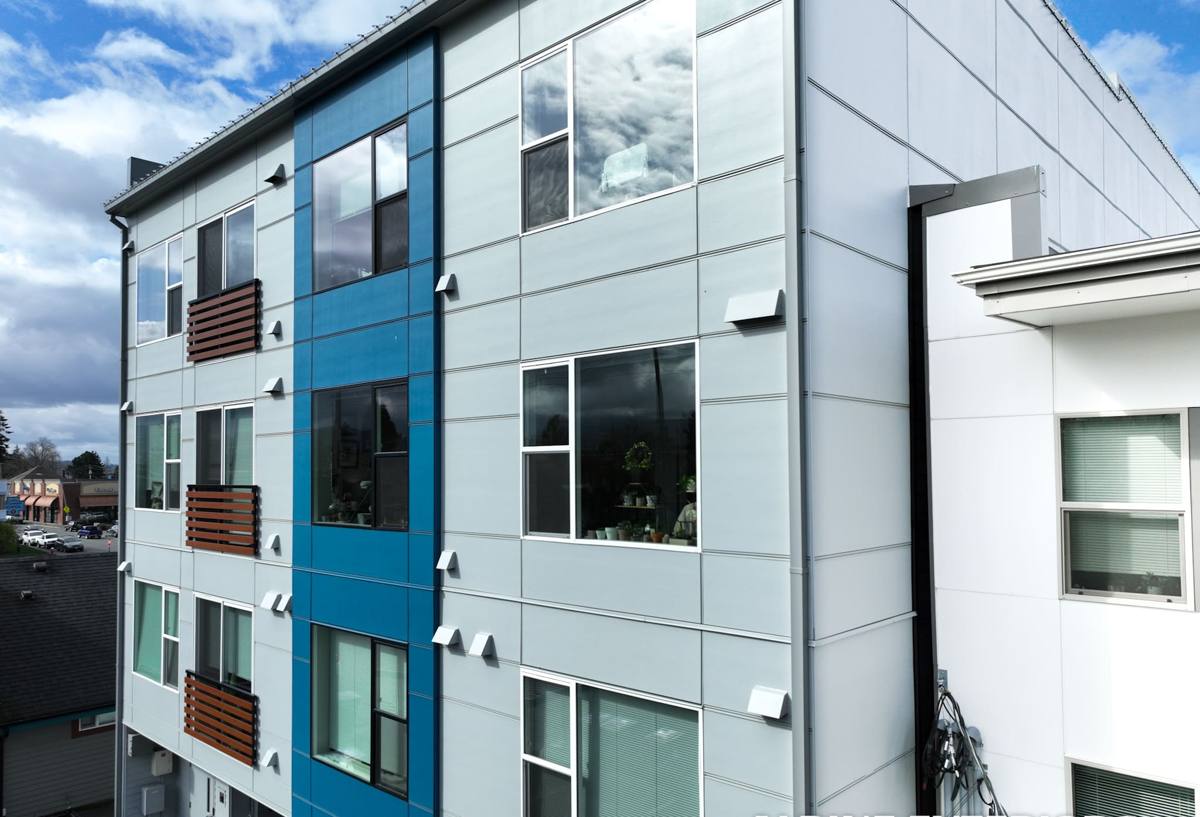
Signs Your Windows Are Due for Replacement
Window failure in this climate is usually gradual, which is why a lot of homeowners live with problems longer than they need to. Common signs we see on Belleair Bluffs service calls include:
- Fogging or a permanent haze between panes of double-pane glass — a sign the seal has failed and the insulating gas or air gap is gone
- Windows that stick, bind, or won't stay open on their own, often from corroded aluminum tracks or swollen frames
- Visible pitting, chalking, or white corrosion on aluminum frames — a direct result of salt air exposure
- Noticeable drafts or a hot/cold spot near the window even with the AC running
- Water staining, soft drywall, or a musty smell around the window frame after heavy rain
- A jump in cooling costs that isn't explained by anything else in the house
Any one of these on its own might just need a repair. Several together, especially on a home with its original windows, usually points to replacement being the more cost-effective long-term move.
What a Correct Window Replacement Job Actually Involves
Opening Prep and Removal
The old window has to come out clean, without tearing the surrounding stucco, siding, or interior wall more than necessary. We check the rough opening for square and for hidden rot or moisture damage before anything new goes in — installing a good window into a compromised opening just moves the problem down the road.
Flashing and Water Management
This is the step that gets skipped most often on rushed jobs, and it's the one that matters most in a wind-driven rain climate. Proper flashing directs any water that gets past the exterior seal back out and away from the wall assembly, rather than letting it sit against wood framing or drywall. A window that looks fine on day one but was flashed wrong can cause hidden water damage for years before it shows up.
Fastening and Wind Load Anchoring
Windows in Pinellas County have to be anchored to meet the wind load requirements for our zone, which means the right fasteners, in the right locations, into solid structural framing — not just enough screws to hold the window in place day-to-day. This is also where the difference between a licensed, experienced crew and a shortcut installation shows up most in a storm.
Sealing and Finish
Interior and exterior sealant, insulation around the frame, and trim work finish the job. Done right, there are no gaps for air, water, or pests, and the window operates smoothly from day one.
Impact-Rated vs. Standard Windows: What Actually Changes
Homeowners often ask whether impact-rated glass is worth it versus a standard window paired with separate storm protection. Both are legitimate approaches — the right one depends on your home, your storm plan, and your budget.
| Factor | Impact-Rated Windows | Standard Windows + Separate Shutters |
|---|---|---|
| Upfront cost | Higher per window | Lower window cost, added shutter cost |
| Storm prep effort | None — always protected | Shutters must be installed before each storm |
| Everyday noise reduction | Noticeably better | Standard glass only |
| UV and heat rejection | Generally better with laminated glass | Depends on glass package chosen |
| Insurance/wind mitigation impact | Can improve wind mitigation credits | Varies by shutter type and documentation |
| Daily appearance | Unchanged — looks like a normal window | Unchanged until shutters deploy |
Neither option is automatically "better" — a household that will reliably deploy shutters before every storm can do fine with standard windows, while a home that's often unoccupied during hurricane season, or a homeowner who wants one less thing to manage, tends to lean toward impact glass. We'll walk through the honest trade-offs for your specific house rather than push one option across the board.
Frame Materials and Glass: Our Standards, Explained
We install a mix of vinyl, aluminum, and fiberglass frames depending on the home, but we're upfront about the trade-offs of each rather than treating any one material as universally right:
- Vinyl is affordable, doesn't corrode from salt air, and insulates well, but lower-grade vinyl can warp under intense, sustained Florida UV — we use products rated for our climate specifically.
- Aluminum is strong and slim-profile, which matters for larger openings, but it conducts heat and is more prone to salt corrosion over time unless it's properly coated and maintained. We're selective about where we recommend it.
- Fiberglass resists warping and corrosion well and holds paint better long-term, at a higher material cost.
On the glass side, Low-E coatings reduce solar heat gain without darkening the glass much, which matters for a house that's fighting Florida sun most of the year. Laminated glass — the kind used in most impact-rated windows — holds together under impact instead of shattering outward, which is also why it does a good job cutting outside noise. We size and spec glass packages by exposure: a west-facing wall taking direct afternoon sun gets treated differently than a shaded north side.
Permits, Wind Codes, and Inspections in Pinellas County
Window replacement in Pinellas County generally requires a permit and has to meet the wind load requirements for our coastal wind zone — this isn't paperwork for its own sake, it's what keeps a window from becoming a failure point in a storm. A licensed contractor pulls the permit, the work gets inspected against code, and you end up with documentation that matters for insurance and for resale. Skipping the permit step to save time or money is one of the more common shortcuts we see homeowners regret, usually when it surfaces during a home sale or an insurance claim.
Our Process From Estimate to Final Walkthrough
- On-site assessment: we measure every opening individually — older homes rarely have perfectly uniform openings — and check for existing moisture or structural issues.
- Product selection: we go over frame material, glass package, and impact-rated vs. standard options based on your home's exposure and your priorities.
- Permitting: we handle the permit application and coordinate the required inspections.
- Installation: removal, flashing, anchoring, and sealing, done to the standards above — not rushed to fit more jobs in a day.
- Final walkthrough: we test every window's operation and seal with you before we consider the job done.
Why a Crew That Already Works Belleair Bluffs Matters
Window replacement in a coastal Pinellas community isn't identical to the same job inland. A crew that already works Belleair Bluffs regularly knows what condition to expect from homes of a given age and construction type in the area, understands the local permitting process and typical inspection timelines, and isn't guessing at wind zone requirements for the first time on your house. It also means faster scheduling and follow-up — we're not driving across the county for a five-minute warranty check, we're already working nearby.
What to Ask Before You Hire a Window Contractor
- Are you licensed and insured to do window replacement work in Pinellas County?
- Will you pull the permit, and is that included in the quote?
- What flashing and sealing method will you use around each opening?
- What's the actual wind rating of the window you're quoting, and does it meet our local wind zone?
- What's the warranty on both the product and your labor, and who do I call if something's wrong after install?
- Can you walk me through why you're recommending this frame material and glass package for my house specifically?
A contractor who answers these plainly, without dodging or upselling, is generally the one worth trusting with the job.
Get a Straight Answer on Your Windows
If your windows are original to the house, fogging, sticking, or just not holding up to Clearwater's salt air and sun the way they used to, it's worth getting a straight, no-pressure look from a crew that works this area every week. Fill out the form below for a free estimate — we'll assess your windows, explain your real options, and give you honest numbers, no obligation.