 Clearwater Siding
 Largo Roofs Work Harder Than Most
Largo sits in the middle of Pinellas County, close enough to Tampa Bay and the Gulf that salt air, humidity, and storm winds reach every neighborhood, not just the waterfront ones. A shingle roof here isn't just shedding rain — it's absorbing months of intense UV exposure, cycling through afternoon thunderstorms that can dump an inch of wind-driven rain in twenty minutes, and occasionally standing up to tropical storm or hurricane-force gusts. Asphalt shingles can handle all of that, but only when they're specified, installed, and maintained with this climate in mind. A roofing job that would hold up fine in a drier, calmer part of the country can fail early here if corners get cut on underlayment, fastening, or ventilation.
This page is about one job, done right, for one area: asphalt shingle roofing — new installs, tear-offs and replacements, and repairs — for homes in and around Largo.
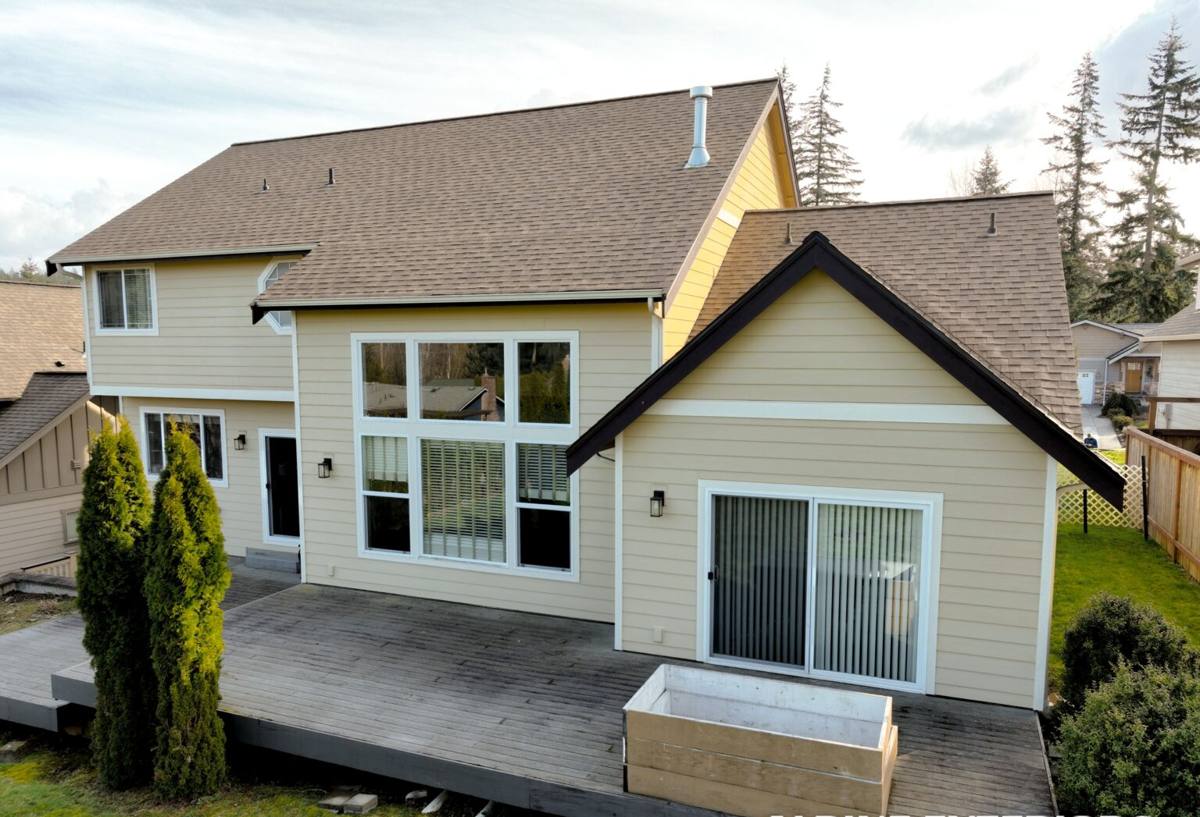
What Largo's Climate Actually Demands From a Shingle Roof
Wind
Pinellas County building code sets minimum wind-resistance standards for roofing, and coastal exposure means a roof here should be built to the upper end of what asphalt shingles are rated for, not the minimum a supplier happens to have in stock. Nailing pattern and nail placement matter as much as the shingle itself — a correctly rated shingle installed with the wrong nail count or placement loses most of its wind resistance.
UV and Heat
Florida sun breaks down asphalt shingle oils faster than almost anywhere else in the country. Granule loss, curling, and brittleness show up sooner on a west- or south-facing slope. Attic ventilation is the difference-maker here: a hot, poorly vented attic bakes the underside of the shingles and can cut years off the roof's life regardless of how good the shingle itself is.
Wind-Driven Rain
Afternoon storms in this part of Florida don't just fall straight down — wind pushes rain sideways and up under shingle edges, valleys, and flashing. This is why underlayment choice and flashing detail work matter more here than in regions where rain mostly falls vertically.
Salt Air
Largo isn't directly on the beach, but it's close enough that salt-laden air corrodes exposed metal — nails, flashing, vent stacks, and drip edge — faster than inland installs. Using corrosion-resistant fasteners and flashing isn't an upsell; it's a requirement for the roof to last.
Signs a Largo Roof Needs Attention
Most shingle roof failures don't happen all at once — they show warning signs for months or years first. Homeowners who catch these early usually pay for a repair. Homeowners who wait usually pay for a replacement, sometimes with interior damage added on top.
- Granules collecting in gutters or at downspout outlets
- Shingles that look curled, cupped, or are lifting at the edges
- Missing or torn shingles after a windstorm, even just a few
- Dark streaking or soft, discolored patches on the roof surface
- Daylight visible through the attic decking, or damp insulation below it
- Granule-bare "bald" spots where the shingle surface looks shiny or gray
- Sagging along the ridge line or in the middle of a slope
- Rising energy bills with no other explanation, which can point to attic heat gain from a failing roof
Choosing the Right Shingle for This Area
Not every asphalt shingle is built the same, and the right choice for a Largo home depends on wind exposure, budget, and how long the homeowner plans to stay in the house. Here's how the main categories compare for this specific climate:
| Shingle Type | Typical Wind Rating | Best For | Trade-Offs |
|---|---|---|---|
| 3-Tab | Lower end of code range | Budget-conscious replacements, rental properties | Shorter lifespan in high UV, lower wind tolerance |
| Architectural (Laminated) | Mid-to-upper range | Most primary residences in Pinellas County | Higher upfront cost, better durability and appearance |
| Impact-Rated (Class 4) | Highest available for asphalt | Homes wanting insurance premium credits, storm-prone lots | Highest material cost, may need insurer confirmation of discount |
For most Largo homes, a good architectural shingle rated for the higher wind speeds our building code allows is the practical middle ground — it costs more than 3-tab but holds up substantially better against both UV degradation and wind uplift, which are the two things that actually shorten a roof's life here.
How We Handle a Shingle Roofing Job in Largo
1. Inspection and Honest Assessment
We start on the roof and in the attic, not just with a drive-by look. We check the decking condition, existing ventilation, flashing at every penetration, and how the current roof has actually performed — not just its age. If a repair will genuinely hold, we say so.
2. Tear-Off and Deck Inspection
On a full replacement, old shingles and underlayment come off down to the deck. This is the point where hidden problems — soft or delaminated plywood, old damage from a prior leak — get found and fixed before anything new goes down. Covering up bad decking with new shingles is how roofs fail early, and we don't do it.
3. Underlayment
Given how much wind-driven rain this area sees, underlayment is not a place to save money. We use products suited to Florida's humidity and rain patterns, with attention to how they're lapped and sealed, especially at valleys and low-slope transitions.
4. Flashing and Penetrations
Chimneys, vent stacks, skylights, and wall transitions are where the majority of roof leaks actually start — not the open field of shingles. We use corrosion-resistant flashing and proper step-and-counter-flashing technique rather than relying on sealant alone.
5. Shingle Installation
Nail count, nail placement, and starter strip installation are set to the manufacturer's high-wind specification, not the bare minimum. This is the single biggest factor in whether a roof stays intact during a tropical storm or loses shingles in the first gusty afternoon.
6. Ventilation
We check that intake and exhaust ventilation are balanced, adding or correcting vents where the attic isn't breathing properly. This single step has an outsized effect on shingle lifespan in a hot climate like ours.
7. Cleanup and Final Walkthrough
Magnetic sweep for nails, debris removal, and a walkthrough so the homeowner sees exactly what was done and why.
Repair or Full Replacement?
This is the question most homeowners actually want answered, and it depends on a few honest factors rather than a fixed rule:
| Factor | Leans Toward Repair | Leans Toward Replacement |
|---|---|---|
| Roof age | Under 12–15 years | Approaching or past typical shingle lifespan |
| Damage extent | Isolated area, single slope, storm-related | Widespread granule loss, multiple slopes affected |
| Decking condition | Sound, dry decking underneath | Soft spots, prior water intrusion, rot |
| Underlayment condition | Still intact and sealed | Brittle, torn, or original 20+ year-old felt |
| Insurance situation | Minor claim, cosmetic only | Storm damage claim covering full slope or roof |
When it's a close call, we'll walk through both options and their real costs rather than defaulting to the bigger job.
Permits, Code, and Insurance in Pinellas County
Roofing work in Pinellas County requires permitting and inspection, and code requirements here — particularly around wind resistance and secondary water barriers — are stricter than in many other parts of the country because of the hurricane risk. We handle the permit process as part of the job rather than leaving it to the homeowner. If a roof is being replaced due to storm damage, we also provide the documentation most insurance carriers ask for, including photos of the damage and the condition found once tear-off begins.
Why It Matters That We Work Largo Regularly
A crew that works this specific area day to day knows things that don't show up in a manufacturer's spec sheet: which parts of Largo see the most wind exposure, how local permitting offices like their documentation submitted, and which shingle and underlayment combinations have actually held up through recent storm seasons versus which ones look fine on paper. That local repetition is what keeps a job from becoming a learning experience at the homeowner's expense. It also means faster response when a storm passes through and a homeowner needs someone to look at damage quickly, rather than waiting on a crew that has to drive in from another county.
After Installation: Keeping a Shingle Roof Healthy Here
A new roof still needs basic upkeep in this climate. Keeping gutters clear so water doesn't back up under the shingle edge, trimming back overhanging branches that scrape granules loose in wind, and having the roof looked at after any major storm are the habits that get the most life out of a shingle roof in Pinellas County. A short annual check — even just a visual look from the ground plus a peek in the attic — catches most problems while they're still cheap to fix.
If you're dealing with an aging shingle roof in Largo, storm damage, or you're just planning ahead, we're glad to take a look and give you a straightforward, no-pressure estimate. Use the form below to get started.