 Clearwater Siding
 New Roof Installation for Sunset Point Homes
Sunset Point sits close enough to the water that every roof in the neighborhood is doing double duty: shedding Florida's heaviest rain events while standing up to salt-laden air and sun exposure that doesn't let up for most of the year. When a roof in this part of Clearwater is due for replacement, it's rarely just one problem. It's usually a combination of aging materials, sun-baked shingles, and small leaks that have been quietly working their way into the decking for a while. A proper new roof installation here isn't about slapping on whatever's cheapest — it's about building a system that's matched to what Pinellas County weather actually does to a house.
This page covers what we look at, what we install, and how the process works for homeowners in Sunset Point specifically considering a full roof replacement.
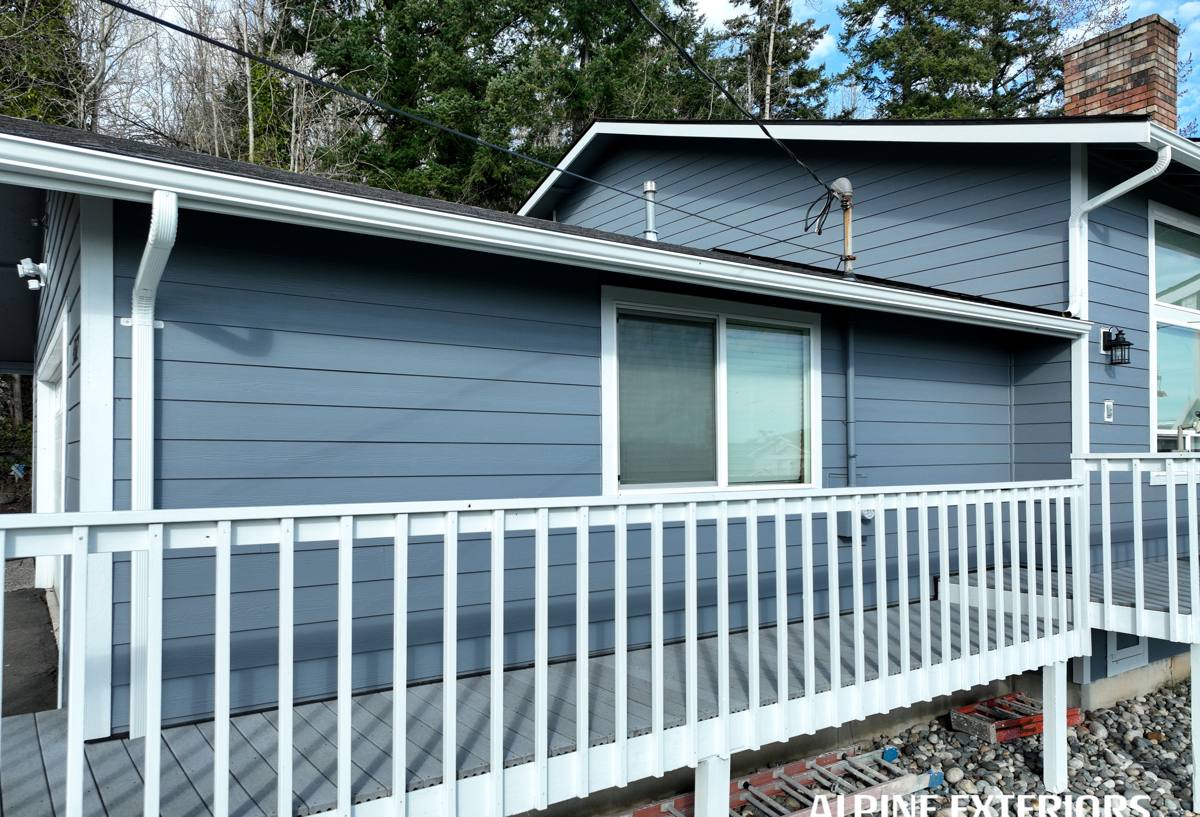
Why Sunset Point Roofs Wear Differently
Roofs a few miles inland age differently than roofs closer to Clearwater Harbor and the Intracoastal. A handful of factors stack up here:
- Salt air corrosion: Metal fasteners, flashing, and exposed hardware corrode faster near the water. Cheap or mismatched metal components fail years before the shingles or panels around them.
- UV degradation: Central Florida sun bakes asphalt shingles and breaks down the oils that keep them flexible, leading to granule loss and brittleness well before a roof's rated lifespan is up.
- Wind-driven rain: Storms here don't just drop rain straight down — wind pushes it sideways and upward under laps, ridge caps, and flashing that wasn't sealed correctly the first time.
- Hurricane-force wind loads: Even homes that never take a direct hit still see repeated high-wind events over the years. Fastener patterns and underlayment choices that meet minimum code are not the same as ones built for repeated wind cycling.
None of this means Sunset Point homes need something exotic. It means the installation details — underlayment, fastening, flashing, ventilation — matter more here than they would somewhere with a milder climate.
Signs a Roof in This Area Needs Replacing, Not Patching
Not every roof problem calls for a full replacement, and we'll tell you honestly when a repair is the right call instead. A new roof usually makes more sense than another round of patching when you see:
- Multiple leak points showing up in different rooms, rather than one isolated spot
- Shingles that are curling, cracking, or losing granules across large sections of the roof, not just one slope
- Soft spots or sagging in the decking when walked on
- A roof that's already had two or more significant repairs in the last few years
- Visible daylight or water staining in the attic along the roof deck
- A roof nearing or past the manufacturer's expected service life for its material and local exposure
If your roof shows one or two of these and is otherwise sound, a targeted repair may buy you more useful life. We'll always give you that option when it's honestly the better one — a new roof is a bigger investment, and we'd rather earn that job on merit than push it prematurely.
What a Correct New Roof Installation Involves
Tear-Off and Deck Inspection
Every full replacement starts with removing the old roofing material down to the deck. This is the step that gets skipped or rushed on lower-quality jobs, and it's the one that matters most. Once the deck is exposed, we inspect it for rot, delamination, and soft spots — especially around old flashing points, valleys, and anywhere a prior leak was active. Any compromised decking gets replaced before anything new goes down. Installing a new roof over a weak deck just hides the problem under new materials.
Underlayment
The underlayment is the water barrier that protects the deck if wind ever lifts or damages the top layer of roofing during a storm. In a coastal-adjacent area like Sunset Point, we treat this as one of the most important layers in the whole system, not an afterthought. Self-adhered synthetic underlayment at eaves, valleys, and other vulnerable areas gives real protection against wind-driven rain, which is the specific failure mode that causes most storm-related interior leaks — not the shingles themselves, but water getting up and under them.
Flashing
Flashing around chimneys, skylights, sidewalls, and roof-to-wall transitions is where most leaks actually originate, regardless of how good the field shingles are. Correct flashing means new metal, properly lapped and sealed, not old flashing reused to save time. Given the salt air in this part of Clearwater, we pay close attention to the metal itself — corrosion-resistant flashing lasts significantly longer here than standard-grade material.
Ventilation
A hot, poorly ventilated attic shortens the life of a new roof from the underside, regardless of what's installed on top. Proper intake and exhaust ventilation keeps attic temperatures and moisture in check, which protects both the new roofing material and the wood structure underneath it. We evaluate existing ventilation as part of every installation and correct it where it's inadequate rather than just matching what was there before.
Fastening and Wind Rating
Fastener count and placement are what actually determine how a roof performs in high wind — more so than the material itself. We install to the fastening patterns required for our wind exposure, not the bare minimum, because a roof that's under-fastened is the one that loses shingles or panels in the first serious wind event.
Material Options for Sunset Point Homes
There's no single "correct" roofing material for every house — it depends on the roof's slope, the home's style, budget, and how long you plan to own the property. Here's how the common options stack up for this climate specifically:
| Material | Typical Lifespan Here | Wind/UV Performance | Best Fit |
|---|---|---|---|
| Architectural asphalt shingles | 18-25 years | Good with proper underlayment and fastening; UV exposure is the main long-term wear factor | Most homes, best value |
| Standing seam metal | 40-50+ years | Excellent wind performance; needs corrosion-resistant fasteners near the coast | Owners planning to stay long-term |
| Tile (concrete or clay) | 40-50+ years | Very good once installed correctly; underlayment quality is critical since tile itself isn't fully waterproof | Homes built for tile roof lines |
| Flat/low-slope membrane (TPO, modified bitumen) | 15-25 years | Performance depends heavily on installation quality and seam work | Additions, porches, low-slope sections |
Whatever material fits your home, we install it to manufacturer specifications and local wind requirements, not a stripped-down version of them.
Our Process, Start to Finish
- On-site inspection: We walk the roof and attic in person, not just from a drone photo, and give you an honest read on repair versus replacement.
- Written estimate: A clear scope of work and price — no vague allowances or surprise add-ons discovered halfway through.
- Permitting: Roof replacements in Pinellas County require a permit and inspection. We handle that process as part of the job.
- Material delivery and site protection: Landscaping, driveways, and pool areas get protected before tear-off begins.
- Tear-off and deck repair: Old roofing removed, deck inspected and repaired as needed.
- Underlayment, flashing, and roofing installation: Installed in the sequence and to the specifications outlined above.
- Cleanup and magnetic sweep: Full site cleanup, including a nail sweep of the yard and driveway.
- Final walkthrough and inspection sign-off: We review the finished roof with you and coordinate the final county inspection.
Why Local Experience in Sunset Point Matters
A crew that regularly works this specific area already knows the practical details that generic roofing companies have to learn on your job: how the tree canopy in older Clearwater neighborhoods affects debris and drainage on certain roof lines, which HOA or permitting quirks come up locally, and how much extra attention flashing and fasteners need this close to the water. That local familiarity translates into fewer surprises during tear-off and a roof that's actually built for the conditions it has to survive, not a one-size-fits-all install.
It also means faster response if something ever does need attention after a storm. A contractor who already knows your roof, your neighborhood, and your permit history can move faster than one starting from zero.
What to Check Before Hiring Anyone for a Roof Replacement
Before signing with any roofing contractor in the Clearwater area, it's worth confirming a few basics:
- Current Florida roofing license and proof of general liability and workers' compensation insurance
- A written estimate that specifies materials, underlayment type, and fastening approach — not just "new roof, one price"
- Manufacturer certification if you're installing a product with a manufacturer-backed warranty
- Confirmation of who pulls the permit and handles inspection scheduling
- A clear answer on how tear-off debris and job site cleanup are handled
Any legitimate local contractor should be able to answer all of these without hesitation.
Get a Free Estimate for Your Sunset Point Roof
If your roof is showing its age or you're planning ahead of the next storm season, we're happy to take a look and give you a straight answer — replacement or repair, whichever actually fits your roof. Reach out for a free, no-pressure estimate using the form below.