 Clearwater Siding
 Sunset Point's Siding Has a Harder Job Than Most
Sunset Point sits close enough to the water that its homes take a different kind of weather beating than houses ten miles inland. The siding on a Sunset Point house isn't just cosmetic — it's the first line of defense against hurricane-force wind gusts, wind-driven rain that gets pushed sideways into wall assemblies, salt-laden air that corrodes fasteners and trim, and some of the most intense, sustained UV exposure in the continental United States. Any one of those factors alone would be enough to justify choosing siding carefully. In Clearwater, all four show up together, year after year.
That combination is why we don't treat a Sunset Point siding job the same way we'd treat one in a landlocked climate. The material, the fasteners, the flashing details, and the finish all have to be selected and installed with this specific environment in mind. This page walks through what that actually looks like for fiber cement siding specifically — not siding in general.
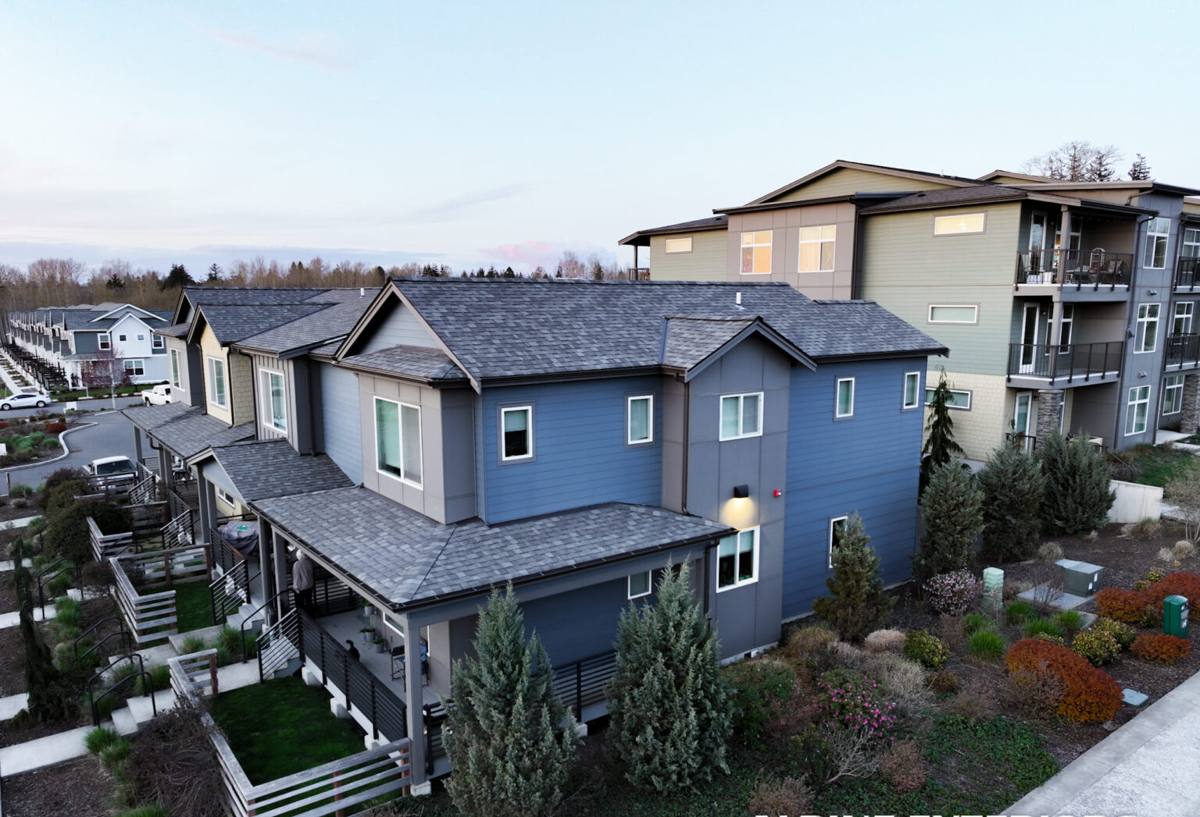
What Pinellas County's Climate Does to the Wrong Siding
Wind and Storm Pressure
Clearwater sits in a wind zone that regularly sees tropical-storm and hurricane-force gusts. Siding that isn't rated and fastened for that pressure can lift, crack at the corners, or blow off outright — and once a section fails, wind-driven rain has a direct path into the wall cavity. The fastening schedule and the product's own wind rating both matter more here than in most parts of the country.
UV and Heat
Florida's sun is relentless on painted and coated surfaces. Cheaper coatings chalk, fade, and break down years before their expected lifespan. Materials that expand and contract significantly with heat also put ongoing stress on seams and caulk joints, which is where water intrusion usually starts.
Salt Air
Proximity to the Gulf means airborne salt settles on every exterior surface. Salt is corrosive to exposed metal fasteners and trim, and it accelerates the breakdown of finishes that weren't engineered to resist it.
Humidity and Wind-Driven Rain
Pinellas County's humidity keeps moisture in play almost year-round, and storms don't just drop rain straight down — they drive it horizontally into walls. Siding systems that rely on caulk and paint alone to keep water out, rather than proper engineered drainage and flashing, tend to fail here faster than they would in a drier, calmer climate.
Why Fiber Cement Is the Right Call for This Neighborhood
Fiber cement doesn't warp, rot, or provide a food source for pests the way wood-based products can, and it doesn't soften or distort under sustained heat the way vinyl can. It's non-combustible, holds paint and factory finishes far longer than wood substrates, and — when it's the James Hardie product line we install, with a factory-applied ColorPlus finish — it's engineered specifically for high-moisture, high-UV coastal climates through Hardie's HardieZone system. That system exists precisely because a house in Sunset Point and a house in a dry inland climate need different product specs, and it's a big part of why we standardized on Hardie rather than a generic fiber cement product.
We don't install every fiber cement brand on the market, and we don't install vinyl, LP SmartSide, primed spruce, or cedar siding. That's a deliberate standard, not a lack of options — we've made the call that James Hardie is the product we're willing to put our name behind in this climate, and we'd rather be straightforward about that than install something we can't fully stand behind.
What a Correct Installation Actually Involves
Substrate and Moisture Check First
Before any siding goes up, the wall sheathing needs to be sound and dry. Installing new siding over hidden moisture damage just traps the problem — it doesn't fix it. A proper job starts with removing the old siding, inspecting the sheathing, and addressing anything compromised before moving forward.
Weather-Resistive Barrier and Flashing
A correctly installed weather-resistive barrier, paired with properly lapped flashing at every window, door, and penetration, is what actually keeps wind-driven rain out of the wall — not the siding surface itself. This is the step that's easiest to rush and most consequential to get right, especially in a wind zone like this one.
Fastening for Wind Zone
James Hardie specifies fastener type, spacing, and placement based on the wind zone a home sits in. Following that spec — not a generic fastening pattern — is what gives the siding its rated wind performance. This matters more in Sunset Point than it would somewhere with milder weather.
Clearances and Caulking
Proper clearance from grade, roof lines, decks, and other transitions prevents standing water from wicking into the bottom of the siding. Correct caulking at seams and trim — using the right product in the right joints, not caulk everywhere as a catch-all — is what keeps those joints watertight through years of expansion and contraction.
Factory Finish, Not Field-Painted Fixes
Hardie's ColorPlus finish is baked on at the factory and holds up to Florida UV far longer than field-applied paint. Part of doing the job right is protecting that finish during installation — cutting outside, using the right blades, and touching up cut edges with the matched touch-up product rather than mismatched paint.
Our Process for a Sunset Point Siding Job
- Assessment and measurement — we walk the home, check the existing sheathing and moisture conditions, and measure for an accurate, honest estimate.
- Product and color selection — we go over Hardie's plank profiles, textures, and ColorPlus color options so the final look fits the home and the neighborhood.
- Tear-off and prep — old siding comes off, sheathing gets inspected and repaired as needed, and the weather-resistive barrier goes on correctly the first time.
- Flashing and installation — windows, doors, and penetrations get properly flashed, then siding goes up to Hardie's wind-zone fastening spec.
- Trim, caulk, and touch-up — corners and trim are finished, joints are caulked with the right products, and cut edges are sealed.
- Final walkthrough and cleanup — we walk the finished job with the homeowner and clear the site of debris and old material.
Why a Crew That Already Works Sunset Point Matters
Siding installation isn't just about the product — it's about who's installing it and whether they understand the specific conditions of this neighborhood. A crew that regularly works in and around Sunset Point already knows the wind exposure patterns close to the water, understands the permitting expectations for exterior work in Clearwater and Pinellas County, and has seen firsthand how poorly installed siding fails here versus how correctly installed siding holds up over years of storm seasons. That local experience shows up in the details — flashing choices, fastening discipline, and knowing which corners genuinely can't be cut in this climate, even if they'd be less critical somewhere else.
Fiber Cement vs. Other Siding Options in This Climate
| Factor | James Hardie Fiber Cement | Vinyl | Wood / Engineered Wood |
|---|---|---|---|
| Wind performance | Rated for wind zone with correct fastening | Can distort or blow off in high gusts | Depends heavily on fastening and substrate condition |
| UV and heat resistance | Factory ColorPlus finish resists fading | Can fade, warp, or soften in sustained heat | Paint breaks down faster under intense sun |
| Moisture behavior | Non-combustible, engineered for humid climates | Can trap moisture behind panels | Prone to rot and moisture damage without vigilant upkeep |
| Salt air exposure | Holds finish well near the coast | Can become brittle over time | More vulnerable to accelerated deterioration |
| Maintenance | Periodic inspection and caulk upkeep | Low, but damage is often unrepairable | Regular painting and moisture monitoring required |
What Drives Cost on a Sunset Point Project
| Cost Factor | Why It Matters Here |
|---|---|
| Sheathing condition | Hidden moisture or rot found during tear-off adds repair work before siding can go on |
| Home size and complexity | More corners, dormers, and trim details mean more labor and material |
| Product line and color | Plank profile, texture, and ColorPlus color selection affect material cost |
| Access and site conditions | Tight lots, landscaping, or multi-story sections affect labor time |
| Trim and flashing scope | Full flashing correction versus minor touch-up changes the labor scope |
Every home is different, so we walk each property individually rather than quoting off a flat rate — but these are the factors that consistently move the number up or down.
Maintaining Fiber Cement Siding in a Coastal Climate
Fiber cement is low-maintenance compared to wood, but "low-maintenance" doesn't mean "no maintenance," especially this close to the Gulf. A little attention twice a year goes a long way toward getting the full lifespan out of the installation.
- Rinse the siding periodically to remove salt residue and airborne grime buildup
- Inspect caulk joints at trim, windows, and corners for cracking or gaps after storm season
- Check for any siding that seems loose, especially after high-wind events
- Keep sprinklers and irrigation from spraying directly onto the siding long-term
- Watch for soft spots or discoloration near the bottom edge, which can signal moisture wicking from grade
- Trim back landscaping that holds moisture against the siding surface
Signs Your Current Siding Is Failing
Homeowners in Sunset Point often reach out after noticing one of a handful of warning signs: visible cracking or buckling after a storm, soft or spongy spots near the bottom of walls, paint that's chalking or peeling faster than it should, gaps opening up at trim and corner joints, or a musty smell inside near an exterior wall. Any of these is worth a professional look before it turns into a larger repair. Wind-driven rain in particular can get behind failing siding long before the damage is visible from the outside.
If you're weighing your options for a home in the Sunset Point area, we're happy to walk the property, take an honest look at what's there now, and put together a straightforward, no-pressure estimate for James Hardie fiber cement siding built for this specific climate. There's no obligation — just use the form below to get started.