 Clearwater Siding
 Siding in Seminole Has a Harder Job Than People Realize
Seminole sits close enough to the Gulf that salt-laden air, wind-driven rain, and long stretches of intense sun are simply part of daily life for the exterior of a home. Add in the wind loads that come with a direct hurricane hit or even a strong tropical storm passing through Pinellas County, and it becomes clear that siding here isn't just a cosmetic choice — it's a functional barrier that has to perform under real stress, year after year.
A lot of siding failures we get called out to inspect in this area aren't really about the product itself. They're about a product that was never designed for this climate, or one that was installed without the extra attention this climate demands. That's the gap we focus on closing for Seminole homeowners.
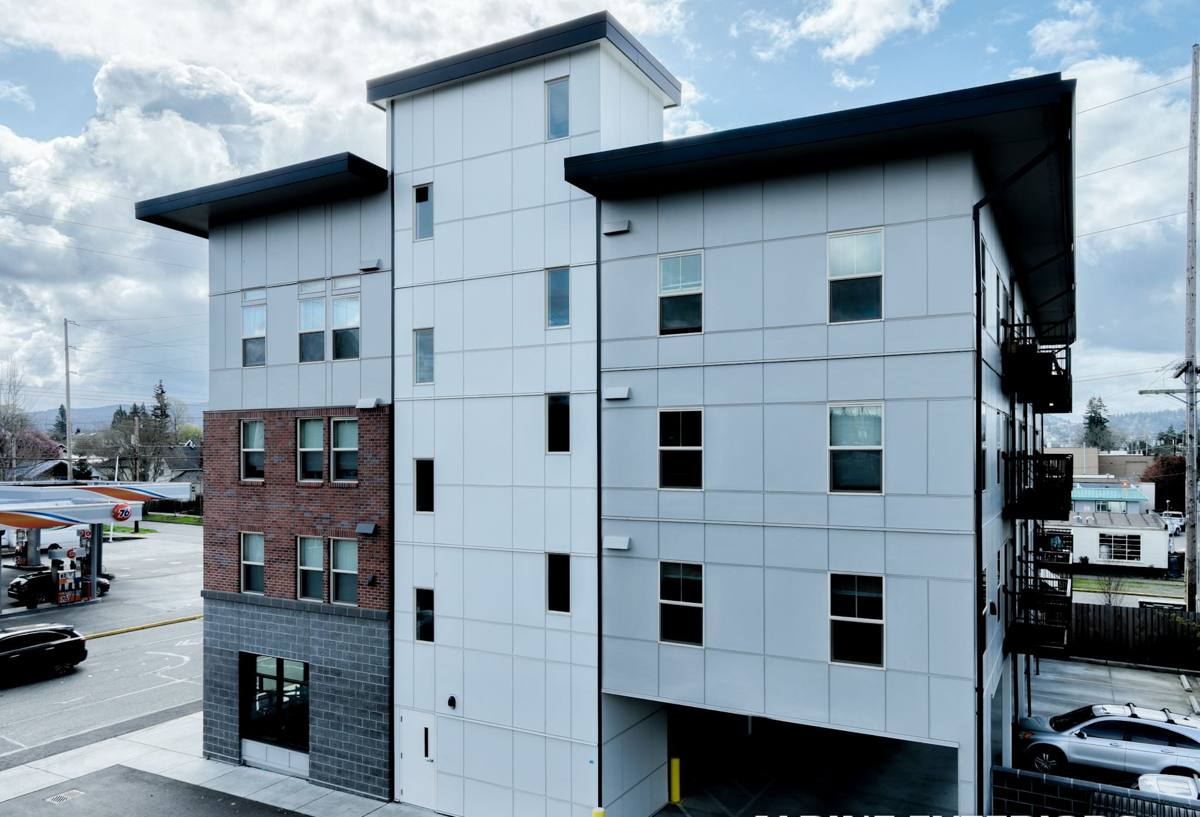
What Seminole's Climate Actually Does to Siding
Wind and Wind-Driven Rain
During tropical systems, rain doesn't just fall — it's pushed sideways into walls, seams, and trim. Siding that isn't properly lapped, flashed, and fastened lets that water find its way behind the surface, where it can sit against sheathing and framing long after the storm has passed.
Year-Round UV Exposure
Florida sun is relentless on painted and coated surfaces. Cheaper coatings chalk, fade unevenly, and need repainting far sooner here than they would in a milder climate, which turns "low maintenance" siding into an ongoing project.
Salt Air
Even a few miles inland from the coast, airborne salt accelerates corrosion of fasteners and metal trim, and it can degrade certain siding substrates faster than manufacturers' general warranty language accounts for. Materials and hardware both need to be chosen with that in mind.
Why We Install James Hardie Fiber Cement — and Nothing Else
We made a decision as a company to install one siding system: James Hardie fiber cement. We don't offer vinyl, LP SmartSide, Cemplank, Allura, or primed wood siding, and we're upfront about why. Each of those products has situations where it performs reasonably well, but none of them holds up to Gulf Coast conditions as consistently as Hardie's fiber cement, and we'd rather stand behind one system we trust completely than offer several and hope one works out.
Fiber cement is made from cement, sand, and cellulose fibers, which makes it non-combustible — a real advantage during Florida's dry season wildfire risk near wooded lots — and dimensionally stable in a way that wood-based and vinyl products aren't. It doesn't expand and contract with heat the way vinyl does, and it doesn't absorb and swell with moisture the way engineered wood products can.
HZ5 Engineering for This Region
James Hardie manufactures its siding in climate-specific formulations called HZ (HardieZone) products. Homes in Seminole fall into the HZ5 zone, engineered specifically for high-moisture, high-humidity coastal environments. That's a meaningful distinction — it means the product in your walls was formulated for exactly the conditions Pinellas County throws at it, not a generic version sold everywhere in the country.
ColorPlus Factory Finish
Rather than site-applied paint, Hardie's ColorPlus finish is baked on at the factory in multiple coats under controlled conditions, which gives it far better UV and fade resistance than field-applied paint. For a climate that punishes painted surfaces as hard as ours does, that's not a minor upgrade — it's the difference between repainting in 5-7 years and going considerably longer before the color needs attention.
What a Correct Fiber Cement Installation Actually Involves
Fiber cement is only as good as the installation behind it. James Hardie publishes detailed installation requirements, and skipping steps is the single biggest reason siding fails early — not the material itself.
Moisture Management Comes First
Before a single plank goes up, the wall needs a proper water-resistive barrier, correctly lapped and sealed, with flashing at every window, door, and penetration. In a climate where wind drives rain sideways, the drainage plane behind the siding matters as much as the siding itself.
Clearances and Fastening
Hardie specifies minimum clearances from grade, roof lines, and horizontal surfaces to keep the bottom edge of the siding from sitting in standing water or landscaping debris. Fasteners need to be corrosion-resistant and driven to the manufacturer's exact spacing and depth — over-driven or under-driven nails are a common source of premature problems we see on homes that weren't installed to spec.
Joints and Caulking
Butt joints, corners, and trim intersections need to be treated correctly, with the right sealants rated for both movement and UV exposure. Done wrong, these are the first places water intrudes during a wind-driven rain event.
Signs Your Seminole Home's Siding Needs Attention
- Visible cracking, buckling, or gaps at seams and corners
- Soft spots or a "give" when you press on the siding near the bottom edge
- Paint that's chalking heavily or fading unevenly across a wall
- Staining or streaking that suggests water is tracking behind the siding, not just across it
- Visible rust bleeding from fastener heads or trim
- Warping or swelling, especially near ground level or under downspouts
- Increased pest activity at the base of exterior walls
Our Process for a Seminole Fiber Cement Installation
Assessment and Estimate
We start with a walk-around of the home, checking the condition of the existing siding, sheathing where accessible, trim, and drainage details. We'll point out anything concerning — moisture damage, prior repair shortcuts, roofline issues — before any work is proposed.
Prep and Removal
Old siding comes off cleanly, sheathing is inspected and repaired as needed, and the water-resistive barrier is installed or replaced according to current best practice, not just whatever was there before.
Installation to Manufacturer Spec
Planks, trim, and accessories go up following James Hardie's published installation guidelines — clearances, fastening patterns, joint treatment, and flashing details included, not shortcuts that save an afternoon but cost years of service life.
Final Walkthrough
We walk the finished job with the homeowner, checking sightlines, caulking, paint touch-up at cut ends, and overall fit and finish before calling it complete.
What Fiber Cement Siding Costs to Install in Seminole
Pricing depends on the size and complexity of the home, the amount of trim and detail work, how much of the existing wall assembly needs repair, and which Hardie product line and profile you choose. The table below outlines the major cost drivers rather than a fixed number, since every home is different.
| Factor | Why It Affects Cost |
|---|---|
| Home size and wall complexity | More square footage, corners, and roof lines mean more material and labor hours |
| Existing sheathing condition | Rot or water damage found during removal requires repair before new siding goes on |
| Siding profile and product line | Lap width, textured vs. smooth finish, and shake or panel accents vary in material cost |
| Trim and accessory scope | Corner boards, window trim, and fascia detail add labor time |
| Access and site conditions | Multi-story sections, tight lot lines, or landscaping obstacles affect labor efficiency |
We provide a written, itemized estimate after the initial walk-around so you know exactly what you're paying for before any work starts.
Why It Matters That We Already Work in Seminole
A crew that regularly works Seminole and the surrounding Pinellas County area already understands the practical realities that don't show up in a manufacturer's manual — how local wind exposure varies by proximity to open water, what permitting and inspection expectations look like for this jurisdiction, and how existing homes in the area were typically built and where their walls tend to need extra attention. That familiarity translates into fewer surprises during the job and a finished product that's actually suited to sit on a Seminole home for decades, not just the sample home in a brochure.
It also means faster response if something ever does need warranty attention — a local, established contractor is a lot easier to reach five or ten years down the road than a crew that was only in the area for one storm-repair season.
Maintaining Fiber Cement Siding in a Coastal Climate
Even a low-maintenance product benefits from a little attention in this environment. Rinsing off accumulated salt and grime periodically, keeping landscaping and sprinklers from constantly wetting the base of the siding, and having caulking and joints checked every few years will keep a correctly installed Hardie system performing the way it's supposed to for a long time. None of this is heavy upkeep — it's just enough to protect the investment.
If your Seminole home's siding is showing its age, or you're planning ahead of the next storm season, we're happy to take a look and walk you through what we'd recommend. Reach out for a free, no-pressure estimate using the form below.