 Clearwater Siding
 Building Decks for Dunedin's Waterfront Climate
Dunedin sits right on the water along St. Joseph Sound and the Gulf, which means any outdoor structure here is doing double duty: it has to look good and hold up against a coastal environment that's harder on wood and hardware than most inland towns ever see. A deck built with generic, big-box assumptions might look fine the day it's finished and start showing problems within a year or two — cupping boards, rusted fasteners bleeding orange streaks, a railing post that's gone soft at the base. Building a deck correctly in Dunedin means designing for the climate from the first sketch, not patching around it later.
As a Clearwater-based siding and exterior contractor working throughout Pinellas County, we treat deck building the same way we treat siding and roofing: match the materials and the assembly method to what the Gulf Coast actually throws at a structure, not what works in a catalog photo taken somewhere with four mild seasons.
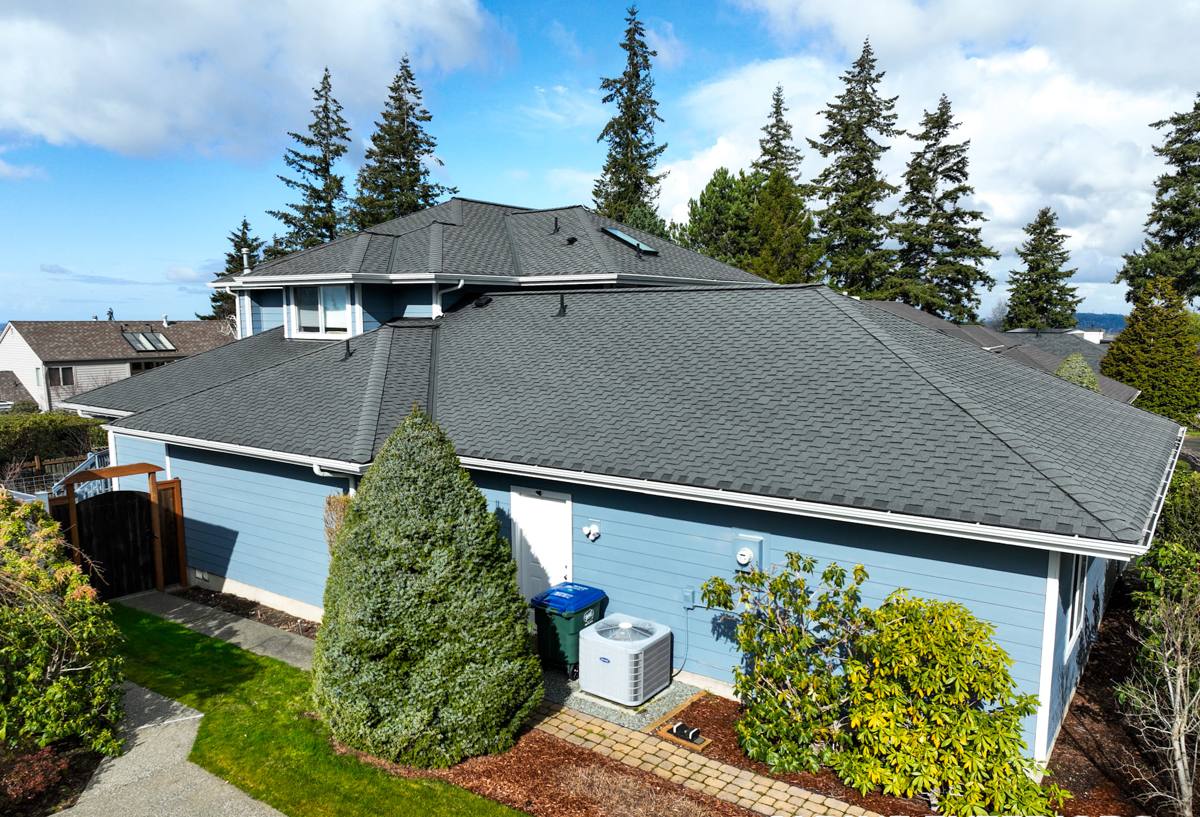
What Dunedin's Weather Does to an Unprepared Deck
Four things wear on outdoor decks here, and they compound each other:
Salt air
Even a few blocks inland from the Sound, airborne salt accelerates corrosion on anything metal. Standard galvanized screws and joist hangers that would last decades in a drier, non-coastal climate can start rusting in a few years near the water. Once a fastener rusts, it weakens exactly where the deck needs it most.
Intense, year-round UV
Florida sun is stronger and more consistent than most of the country gets. UV breaks down the lignin in wood fibers, fades finishes, and degrades lower-grade composite decking faster than the manufacturer's brochure suggests. A deck that isn't finished or capped for UV resistance will gray, splinter, or chalk well ahead of schedule.
Wind-driven rain
It's not just how much rain Pinellas County gets — it's how it arrives. Storms push rain sideways and upward under railings, around post bases, and behind ledger boards. Any gap in flashing or sealant becomes an entry point for water that then sits against wood in a humid climate that never really lets things dry out fully.
Hurricane-force wind loads
A deck is a structure attached to your house, and in a hurricane-exposed area it has to resist uplift and lateral loads, not just support foot traffic. Undersized framing, missing hurricane ties, or a poorly fastened ledger board are the kind of shortcuts that don't show up in a walkthrough — they show up during the next named storm.
Choosing the Right Decking Material
There's no single "best" decking material for Dunedin — there's a best material for your budget, your maintenance appetite, and how close your lot sits to open water. Here's how the common options actually compare in this climate:
| Material | UV / Fade Resistance | Salt Air Tolerance | Maintenance | Typical Lifespan |
|---|---|---|---|---|
| Pressure-treated pine | Fades and grays without refinishing | Good if fasteners and hardware are corrosion-rated | Annual cleaning, periodic sealing/staining | 10–15 years |
| Composite decking | Good; capped boards resist fading well | Very good, doesn't corrode | Low — occasional washing | 20–25+ years |
| PVC decking | Excellent, engineered for UV exposure | Excellent, fully synthetic | Lowest — soap and water | 25–30+ years |
| Tropical hardwood (e.g. ipe) | Excellent natural UV resistance | Very good, dense and rot-resistant | Periodic oiling to maintain color | 25+ years |
Pressure-treated pine is still a reasonable choice for homeowners who want the lowest upfront cost and don't mind the upkeep. Composite and PVC decking cost more initially but make sense for anyone who wants to spend weekends actually using the deck rather than maintaining it. Hardwoods sit at the premium end and reward the extra care with a long, good-looking service life. We'll walk through the real tradeoffs for your specific project rather than push whatever happens to be in stock.
Framing, Fasteners, and Wind Resistance
The decking boards are what you see; the framing underneath is what actually keeps the structure standing through a storm. A few things we treat as non-negotiable on every deck we build in this area:
- Stainless steel or coated coastal-grade fasteners throughout — not standard galvanized hardware, which corrodes faster in salt air.
- Hurricane ties and joist hangers rated for Florida's wind zones, sized to the actual load path of the deck, not the minimum the lumber yard has on the shelf.
- Properly flashed ledger board attachment where the deck meets the house, so wind-driven rain can't work its way behind the siding or into the wall framing.
- Post bases set above grade with proper anchoring, so wood isn't sitting in standing water after a heavy rain event.
- Beam and joist spans engineered to code, not stretched to save a few footings.
None of this is visible once the decking goes down, which is exactly why it matters — it's the part a homeowner can't inspect after the fact, so it has to be done right the first time.
Permits, Setbacks, and Flood Zones in Dunedin
Deck construction in Dunedin goes through Pinellas County or City of Dunedin permitting depending on your property, and the requirements aren't just paperwork — they exist because of the same wind and water concerns covered above. Depending on your lot, permitting can involve:
- Setback requirements from property lines, especially on waterfront or narrow lots common near the Sound.
- Flood zone considerations for properties near the water, which can affect footing depth, elevation, and material choices below the base flood elevation.
- Structural plans showing framing, footing sizes, and connection details sized for local wind speed requirements.
- Inspections at footing, framing, and final stages before the deck is considered complete and legal.
Skipping or shortcutting this process creates real problems at resale — an unpermitted deck can hold up a home sale or trigger a costly retrofit. We handle the permitting process as part of the job, not as an extra homeowners have to navigate on their own.
Our Deck Building Process
1. On-site assessment
We look at your lot, sun and wind exposure, proximity to water, existing structure (if replacing a deck), and how you actually plan to use the space.
2. Design and material selection
We talk through decking material, railing style, and layout with the climate tradeoffs above laid out plainly, so the decision is informed, not guesswork.
3. Permitting
We prepare and submit the permit package to the appropriate jurisdiction and schedule required inspections.
4. Construction
Footings, framing, ledger flashing, decking, and railing installed in sequence, with coastal-rated hardware and fasteners throughout.
5. Final walkthrough
We go over the finished deck with you, including how to care for whichever material you chose, before calling the job done.
Signs Your Current Deck Needs Attention
If you already have a deck in the Dunedin area, a few warning signs are worth acting on before they become structural issues:
- Rust staining around fastener heads or hardware
- Soft or spongy spots in decking boards, especially near the house or post bases
- Railing posts that wiggle or flex when pushed
- Gaps or cracking where the deck meets the house (ledger board area)
- Boards that have cupped, split, or silvered significantly compared to when installed
- Visible daylight or rot at post bases where wood meets the ground or a footing
Any of these can usually be inspected and addressed before they turn into a full rebuild — but they rarely improve on their own in this climate.
Why a Crew That Already Works Dunedin Matters
Building a deck that holds up on the Gulf Coast isn't about knowing decks in the abstract — it's about knowing how salt air, sun, wind, and water behave specifically in this part of Pinellas County, and having already worked through the local permitting process more than once. A crew that regularly builds and repairs decks in Dunedin knows which fastener grades actually hold up near the water, what the local permit office wants to see on submitted plans, and where flood zone lines tend to fall on waterfront lots. That's the difference between a deck that needs attention in three years and one that's still solid in twenty.
If you're planning a new deck, replacing an aging one, or just want an honest read on whether yours is holding up the way it should, we're happy to take a look. Reach out for a free, no-pressure estimate using the form below, and we'll walk the property with you and talk through what actually makes sense for your home.