 Clearwater Siding
 Roof Repair in Belleair Bluffs
Belleair Bluffs sits on one of the few genuine elevation changes in Pinellas County, overlooking Clearwater Harbor and the Intracoastal Waterway. That elevated, waterfront position is part of what makes the small community desirable, but it also means roofs here catch wind and salt-laden air with less buffer than homes further inland. Whether you're dealing with a slow ceiling stain after last week's storm or a handful of missing shingles you spotted from the driveway, getting a roof repair done right the first time matters more here than in most neighborhoods — a rushed or partial fix tends to fail again within a season or two.
This page covers what roof repair actually involves for Belleair Bluffs homes, what drives the damage in this specific stretch of Clearwater, and how we approach the work so it holds up.
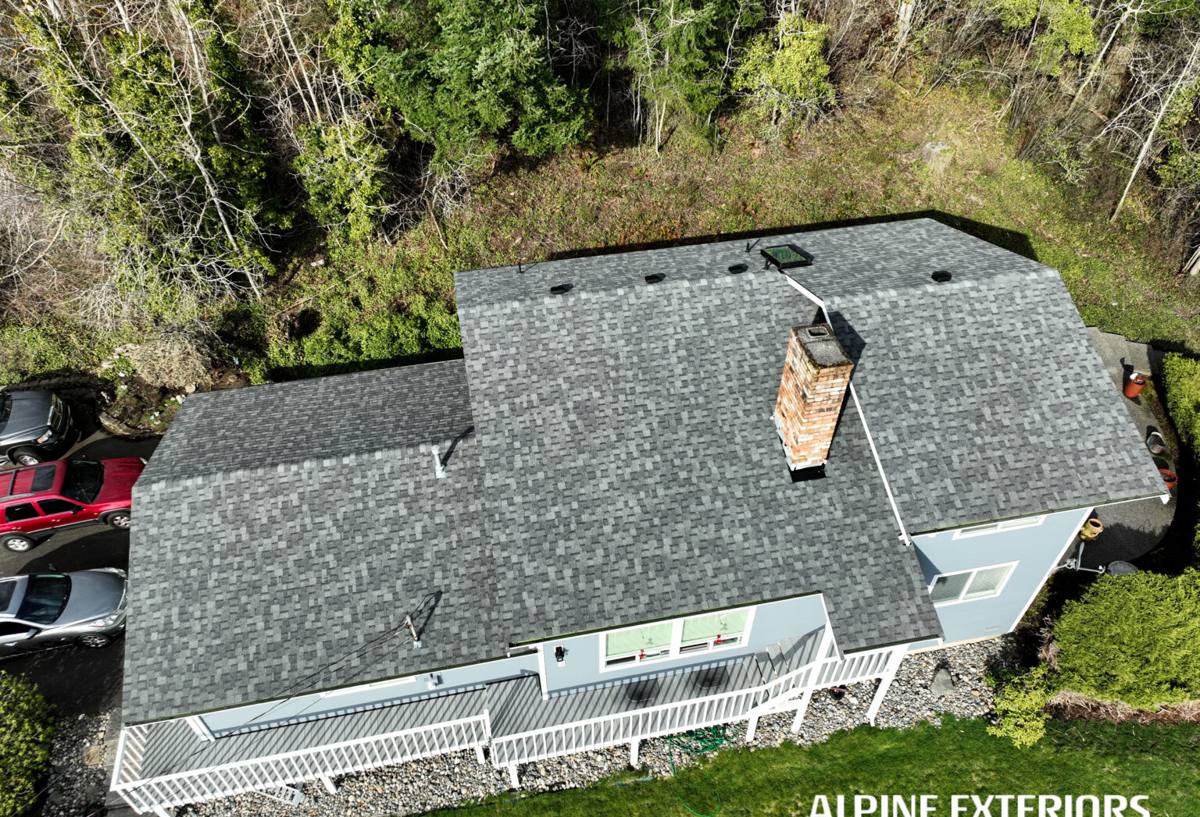
Why Belleair Bluffs Roofs Wear Differently
Every roof in Pinellas County deals with Florida sun and hurricane season, but Belleair Bluffs' position close to open water adds a few extra variables worth understanding before you decide what kind of repair a roof actually needs.
Wind exposure
Because the neighborhood sits up on the bluff with water on one side, homes here often get less wind shielding from trees and adjacent structures than roofs set back further from the coast. That means uplift at ridge caps, hip lines, and exposed eave edges tends to show up first — these are usually the first places we check on an inspection, even if the homeowner's complaint is a leak somewhere else entirely.
Salt air and metal fatigue
Proximity to the harbor means a steady, low-level exposure to salt-laden air. Over years, that accelerates corrosion on exposed metal — nail heads, flashing, drip edge, and any older galvanized components. A fastener that would last two decades a few miles inland can start to weep rust stains or lose grip well before that here.
UV and heat cycling
Florida's near-year-round sun bakes asphalt shingles and dries out the oils that keep them flexible. Combined with daily heat-up/cool-down cycling, this is what makes shingles curl, granules shed, and sealant strips lose their bond over time — separate from any single storm event.
Wind-driven rain
Straight-down rain rarely causes leaks on a sound roof. Wind-driven rain is different — it gets pushed sideways and upward under laps, around penetrations, and into any gap that a calm-weather inspection would miss. Most of the "mystery leaks" we get called out for in this area trace back to wind-driven rain finding a small existing weakness during a storm.
Signs a Roof Repair Is Overdue
Some roof problems are obvious from the ground. Others only show up as a small stain or a slightly higher energy bill. Here's what we tell Belleair Bluffs homeowners to watch for between inspections:
- Ceiling or attic stains, especially after wind-driven rain rather than calm rain
- Shingles that are curling, cupping, or missing granules in patches
- Missing, lifted, or cracked shingles visible from the ground or a neighbor's upper floor
- Rust streaks running down from flashing, vents, or metal valleys
- Soft or spongy spots when walked (a sign of decking damage underneath)
- Daylight visible through the attic roof deck
- Granules collecting in gutters or at downspout exits
- Cracked or lifted sealant around vent boots, skylights, or chimneys
- Higher-than-normal attic temperatures or a jump in cooling costs
Any one of these on its own might be minor. Two or three together, especially after a named storm or a stretch of high wind, usually means it's worth a proper inspection rather than waiting.
Common Repairs We Handle
Not every roof problem needs a full section replaced. Matching the repair to the actual cause is what keeps a fix from being temporary.
| Problem | Typical Cause Locally | Repair Approach |
|---|---|---|
| Isolated leak, no visible surface damage | Failed flashing or sealant at a penetration (vent, skylight, chimney) | Remove and reflash or reseal the penetration; check surrounding decking for hidden moisture |
| Missing or lifted shingles after a storm | Wind uplift, often starting at ridge or eave edges | Replace shingles in matching profile/color; re-secure adjacent courses |
| Rust stains near valleys or vents | Salt-air corrosion of older metal flashing | Replace corroded metal with corrosion-resistant flashing, reseal laps |
| Soft decking underfoot | Long-term slow leak that reached the wood deck | Cut out and replace affected decking sheets before re-covering |
| Granule loss, widespread curling | UV and age — shingles nearing end of service life | Section repair if localized; replacement usually more cost-effective if widespread |
| Leak around a chimney or wall intersection | Step flashing gap or counterflashing pulled loose | Rebuild step and counterflashing assembly, not just caulk over the gap |
How We Approach a Repair
A roof repair is only as good as the inspection behind it. Patching the visible symptom without finding the actual entry point is the most common reason a "fixed" leak comes back.
1. Inspection, inside and out
We look at the roof surface, but we also check the attic from the inside when accessible — that's often where you can trace a stain back to its real source, which isn't always directly above the ceiling spot.
2. Documented findings
Before any work starts, we walk you through what we found, what's causing it, and what the repair will involve — including if we think a section is beyond a reasonable repair and should be discussed as a replacement instead. We'd rather tell you that upfront than sell a patch that won't hold.
3. The repair itself
Depending on the issue, that might mean removing and replacing damaged shingles, rebuilding flashing assemblies, replacing sections of decking, or resealing penetrations with materials rated for sun and salt exposure — not a generic caulk-tube fix.
4. Cleanup and check
We clear debris, check the surrounding area for anything the repair disturbed, and confirm the fix from the attic side when that's part of the original problem.
Repair or Replace? Weighing the Factors
Homeowners often ask us to just be straight about whether a repair makes sense or whether they're better off putting that money toward a new roof. It depends on a few things:
| Factor | Leans Toward Repair | Leans Toward Replacement |
|---|---|---|
| Roof age | Under 12–15 years | Approaching or past expected shingle lifespan |
| Damage extent | Isolated to one area or penetration | Spread across multiple sections or slopes |
| Decking condition | Solid, no soft spots found | Soft or rotted decking in multiple areas |
| Repair history | First or second repair on this roof | Recurring repairs in the same general area |
| Storm damage pattern | Localized wind or impact damage | Widespread granule loss plus storm damage together |
We won't push a full replacement on a roof that just needs a targeted fix — but we also won't keep patching a roof that's telling you it's done. We'll give you our honest read either way.
Materials and Workmanship Standards
For repairs, matching materials matters more than people expect. Using shingles from a different batch, weight, or manufacturer than the existing roof can leave a visible patch and, in some cases, create a slightly different wear pattern that shows up later. Where an exact match isn't available — which happens with older roofs — we'll talk through the closest reasonable option rather than just grabbing whatever's on the truck.
On flashing and fasteners, we use corrosion-resistant materials suited to a salt-air environment rather than the cheapest galvanized stock, since standard galvanized metal is exactly what tends to rust out first in a location like Belleair Bluffs. It costs a bit more upfront and saves a callback down the road.
Why a Crew That Already Works Belleair Bluffs Matters
Roofing crews unfamiliar with the area sometimes underestimate how much of a difference the water-adjacent, elevated position makes compared to a roof a few miles inland in Clearwater proper. A contractor who's already worked in this specific pocket of Pinellas County knows to check ridge and eave fastening more carefully, expects accelerated metal corrosion earlier than the manufacturer's general timeline would suggest, and isn't guessing at how wind behaves coming off the harbor side of the bluff. That local pattern recognition is the difference between a repair that addresses the real cause and one that treats the symptom.
It also matters for response time. When a storm rolls through Pinellas County, homes close to the water are often among the first to need a tarp or emergency patch, and a crew that already knows the area can get there and assess the situation faster than one working from an unfamiliar map.
Permits, Insurance, and Wind Mitigation
Most roof repairs in Pinellas County don't require a permit, but larger repairs — replacing significant sections of decking or a substantial portion of the roof surface — may. We'll tell you upfront if your job crosses that line and handle the paperwork with the county rather than leaving you to figure it out.
If the damage stems from a specific storm event, we can document the repair with photos and a written scope that you can provide to your insurance carrier. We're not a public adjuster and won't promise a claim outcome, but a clear, itemized repair record makes the claims process smoother on your end. It's also worth mentioning to your insurer whether the repair included fastening or flashing upgrades — those sometimes factor into wind mitigation credits on your policy, though the specifics depend on your carrier.
What a Belleair Bluffs Homeowner Can Expect From Us
Here's the short version of how we handle a repair call in this neighborhood, start to finish:
- A prompt inspection, including the attic when accessible, not just a look from the ground or a drone photo
- A plain explanation of what's actually wrong and why — no upsell pressure toward replacement if a repair is genuinely the right call
- Written scope and pricing before any work begins
- Materials matched as closely as possible to your existing roof, with corrosion-resistant flashing and fasteners standard
- A cleanup pass and a final check that addresses the root cause, not just the visible symptom
If you're dealing with a leak, storm damage, or just want a second opinion on a roof issue in Belleair Bluffs, we're happy to take a look. Fill out the form below for a free, no-pressure estimate — we'll walk the roof, tell you honestly what we find, and give you a straightforward price before any work starts.