 Clearwater Siding
 Storm Damage Roof Repair for Palm Harbor Homes
Palm Harbor sits close enough to Clearwater and the Gulf that its roofs take the same beating ours do — hurricane-force wind gusts, wind-driven rain that finds every weak seam, and UV exposure that never really lets up, even in January. Add the salt air drifting inland off the coast and you've got a climate that ages roofing material faster than almost anywhere else in the country. Our crew is based in Clearwater and works Palm Harbor regularly, which means we're not learning this area's roofs for the first time when your call comes in after a storm.
This page covers one thing specifically: storm damage roof repair in Palm Harbor. Not a full site replacement pitch, not a generic "we do roofing" page — what storm damage actually looks like on a Pinellas County roof, what a repair has to get right to hold up through the next system, and how we handle the job from the first phone call to the final walkthrough.
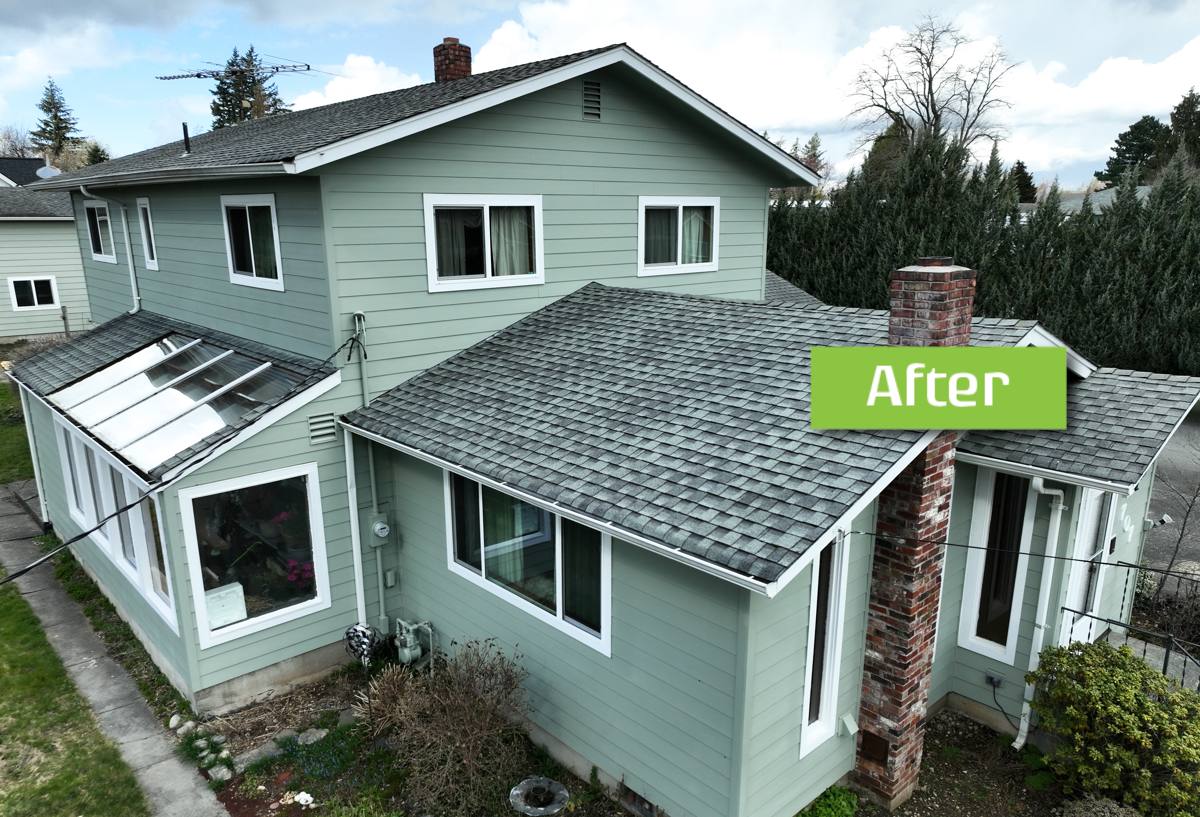
What "Storm Damage" Actually Covers
Homeowners often picture storm damage as a tree limb through the decking, but most of what we repair is quieter than that. On Palm Harbor homes, the damage we see after wind events and heavy rain typically falls into a few categories:
Wind-Lifted or Missing Shingles
Sustained wind and gusts don't have to reach hurricane strength to lift shingle tabs or break the seal strip underneath them. Once that seal is broken, the shingle may look fine from the ground but no longer sheds water the way it's designed to. Repeated gusts over a season will eventually walk shingles right off the roof.
Wind-Driven Rain Intrusion
Rain that comes in sideways during a squall can get pushed up and under shingles, around flashing, and through any gap that would never leak in a normal vertical downpour. This is one of the most common storm-related calls we get in this area — a roof that "never leaked" suddenly has a ceiling stain after a windy system, because the water came from an angle the roof wasn't tested against.
Flashing and Penetration Damage
Flashing around chimneys, skylights, vent stacks, and roof-to-wall transitions moves slightly with every thermal cycle and wind load. Over years of Florida sun and storms, sealant dries out, fasteners back out, and metal flashing can shift just enough to open a path for water.
UV and Granule Loss
This one isn't a single storm event, but storms accelerate it. Florida's year-round sun bakes asphalt shingles and breaks down the granules that protect the asphalt underneath. A shingle that's already UV-worn is far more likely to crack or tear loose in the next wind event than a shingle in good condition.
What a Correct Repair Actually Involves
A storm damage repair done right isn't just replacing what's visibly missing. It starts with figuring out whether the damage is isolated or a symptom of a bigger issue, then matching the fix to what the roof actually needs — not defaulting to either "patch it and hope" or "you need a whole new roof" without a real reason.
| Situation | What We Check | Typical Approach |
|---|---|---|
| A handful of missing or lifted shingles | Underlayment condition, decking underneath, surrounding shingle adhesion | Targeted shingle and flashing repair, matched as closely as possible to existing material |
| Active leak with no visible exterior damage | Attic for water trails, flashing points, roof valleys, penetrations | Trace the entry point first — repair the actual source, not just the ceiling symptom |
| Widespread granule loss or aged shingles | Overall roof age, brittleness, how the material reacts to being lifted for inspection | Honest conversation about repair vs. remaining service life |
| Damage near roof edges or eaves | Drip edge condition, fascia and soffit for water intrusion | Repair the roofline components together, since they fail as a system |
The common thread: we don't quote a repair without getting eyes on what's actually happening under the surface. A shingle repair over rotten decking isn't a repair — it's a callback waiting to happen.
Our Process, Start to Finish
- Inspection. We walk the roof (weather permitting) and check the attic from inside, looking for the actual source of damage rather than just the obvious symptom.
- Straight explanation. We tell you what we found, in plain terms, including whether it's a simple repair, something more involved, or a case where a repair genuinely isn't the right long-term answer.
- Written scope. You get a clear description of the work and materials before anything is scheduled — no vague line items.
- The repair. Matching materials where possible, proper flashing technique, and correct fastening for wind resistance — not just visually sealing the surface.
- Final check. We confirm the repair holds, the surrounding area is clean, and nothing was left exposed to the next rain.
Materials and Methods That Make Sense for This Climate
Not every repair method that works in a drier, calmer climate holds up here. In Pinellas County, we lean toward materials and details that are built around wind and water intrusion specifically:
- Shingles and underlayment rated for high-wind regions, installed to the fastening pattern they're actually designed for — not just "close enough"
- Sealants and flashing details chosen for long-term flexibility under heat cycling, not just a quick surface fix
- Careful attention to valleys and roof-to-wall transitions, since that's where wind-driven rain causes the most repeat problems
- Matching shingle color and profile as closely as the market allows, so a repair doesn't stand out like a patch
We won't cut corners on flashing or fastening just to make a repair cheaper or faster. A roof repair that isn't built for wind-driven rain isn't really fixed — it's postponed.
Storm Damage and Insurance: What We Can Tell You
We're not insurance adjusters and we don't process claims, but we can document what we find on your roof — photos, a written description of the damage, and our professional read on likely cause — which is often what homeowners need when they're talking to their carrier. A few practical points:
- Document damage as soon as it's safe to do so; conditions change fast in Florida heat and humidity
- A professional inspection report carries more weight than a homeowner's own photos alone
- Not all roof wear is storm-related — some of what we find is ordinary age and UV breakdown, and we'll tell you honestly which is which
- We'll always give you our real assessment, even if it's less favorable to a claim, because that's the only version of this that's actually useful to you
Why a Local Crew Matters for This Specific Job
Storm damage repair isn't a job where unfamiliarity is a small inconvenience — it's where mistakes actually cost you. A crew that doesn't regularly work Palm Harbor and the surrounding Clearwater area doesn't have a feel for how this coastal climate ages roofing material differently than it does fifty miles inland. Salt air corrodes fasteners and flashing faster. Humidity keeps moisture problems active longer once they start. And wind patterns off the Gulf hit roofs from angles that a generic repair approach doesn't always account for.
Working this area regularly also means we're not guessing at availability after a storm rolls through. When wind events hit Pinellas County, demand for repairs spikes all at once, and homeowners who've never had a local contractor on their radar end up waiting behind everyone else — or worse, dealing with storm-chasing crews who show up after a hurricane, do rushed work, and are gone before problems surface.
Signs Your Roof Needs a Look Now, Not Later
Roof damage rarely announces itself clearly. These are the warning signs worth acting on before the next storm makes them worse:
- Shingles that look curled, lifted at the edges, or visibly out of line with the rest of the roof
- Granules collecting in gutters or at downspout outlets
- Any ceiling stain, even a small one, especially after a windy or rainy stretch
- Visible gaps or rust at flashing around chimneys, vents, or skylights
- Soft spots noticed when walking the attic, or daylight visible through the roof deck
- Missing shingles you can see from the ground or driveway
What Storm Damage Repair Typically Costs
Every roof and every storm is different, so we won't put a number on your job without seeing it. What we can share is the range of factors that actually move the price, so you know what you're being quoted for:
| Factor | Why It Matters |
|---|---|
| Extent of damage | A few shingles versus a whole section changes labor and material scope significantly |
| Roof accessibility | Steep pitch, height, or obstructions affect how long a repair safely takes |
| Underlying deck condition | Rotten or soft decking found during inspection adds material and time to fix properly |
| Material match | Matching existing shingle color and profile can take longer to source than generic material |
| Flashing complexity | Roofs with multiple penetrations, valleys, or transitions require more detail work per hour |
Broadly, isolated shingle and flashing repairs tend to run in the low hundreds to low thousands of dollars, while larger storm-related sections cost more depending on scope — but the only accurate number comes from an actual inspection of your roof.
Get an Honest Look at Your Roof
If your Palm Harbor home took a hit from recent wind or rain, or you just want a professional set of eyes on your roof before the next storm season stretch, we're glad to come take a look. The estimate is free, there's no pressure attached to it, and you'll get a straight answer about what your roof actually needs. Fill out the form below to get started.