 Clearwater Siding
 Roofing in Del Oro: A Different Set of Demands
Del Oro sits inside Clearwater's stretch of Pinellas County, and like every neighborhood this close to the Gulf, the roof over your head is doing more work than roofs in most of the country. It isn't just shingles keeping rain out — it's the first line of defense against hurricane-force wind gusts, months of intense UV exposure, wind-driven rain that gets pushed sideways under poorly sealed edges, and a steady drift of salt air that speeds up corrosion on fasteners, flashing, and vents. A roof that would last 25 years inland can wear out noticeably faster here if it wasn't built for this specific climate.
That's the starting point for any new roof installation in Del Oro: this isn't a generic re-roof. It's a system that has to be matched to Pinellas County's wind zone, humidity, and sun exposure from the deck up.
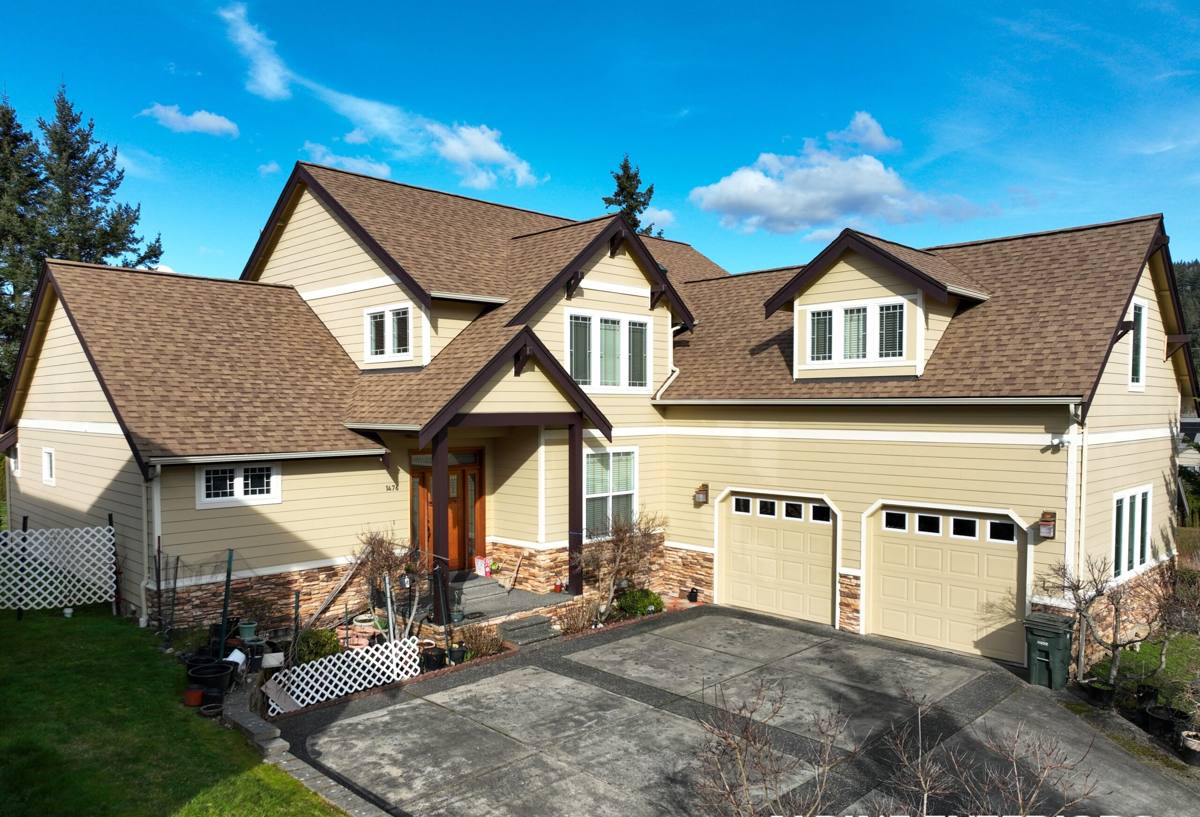
Signs a Del Oro Home Is Ready for a New Roof
Most homeowners don't wake up one day and decide they need a new roof — the roof tells them, gradually, and then all at once. Some of the more common signals we see on Del Oro homes:
- Granule loss on shingles (look for bald patches or granules collecting in gutters)
- Curling, cupping, or cracked shingles, especially on south- and west-facing slopes that take the most sun
- Soft spots or sagging when walked on, which usually means deck damage underneath
- Rusted or lifted flashing around chimneys, vents, and skylights
- Ceiling stains, especially after wind-driven rain events
- A roof that's past 15-20 years old (shingle) or nearing the end of its rated life for its material
- Missing or damaged shingles after a windstorm, even if the rest of the roof looks fine
Any one of these can be a repair. Several together, or a roof that's simply aged out, usually means replacement is the more honest recommendation — patching an old roof section by section often costs more over time than doing it right once.
What "Doing It Right" Actually Means Here
A new roof installation is judged on what you can't see as much as what you can. In a coastal-influenced climate like Clearwater's, the underlayment, flashing, and ventilation system matter as much as the shingle or tile on top. A correct install for this area includes:
Deck Inspection and Repair
Every roof starts with the plywood or OSB deck underneath. Old nail holes, soft or delaminated wood, and improper spacing all get addressed before anything new goes down. Installing new roofing over a compromised deck is one of the most common shortcuts that leads to early failure.
Underlayment Built for Wind-Driven Rain
Standard felt underlayment isn't enough where storms regularly push rain sideways and up under roof edges. We use synthetic or self-adhering underlayment products rated for high-wind, high-moisture climates, with extra attention at valleys, eaves, and any low-slope transitions where water tends to find a way in.
Flashing That Won't Corrode Early
Salt air accelerates corrosion on cheap or improperly coated metal. Flashing around chimneys, skylights, walls, and vent penetrations needs to be corrosion-resistant and properly lapped — not just caulked over gaps.
Wind-Rated Fastening
Nail pattern and fastener count aren't just code minimums to satisfy an inspector — they're the difference between shingles that stay put in a tropical storm and shingles that end up in the yard. Pinellas County's building code reflects its wind zone, and a correct install follows that spec exactly, not the manufacturer's baseline for a low-wind region.
Ventilation
Proper intake and exhaust ventilation keeps attic temperatures down, which protects the underside of the roof deck and helps shingles last through Florida's long, intense summers. A roof that looks great but was installed without balanced ventilation will show premature wear from the inside out.
Roofing Material Options for Del Oro Homes
There's no single "best" roofing material — the right choice depends on your home's structure, your budget, and how long you want the system to last before the next replacement. Here's an honest comparison of what we install most often in this area:
| Material | Typical Lifespan | Wind Performance | Considerations |
|---|---|---|---|
| Architectural asphalt shingle | 20-30 years | Good, when rated and installed for high-wind zones | Best value; wide style/color range; most common choice locally |
| Standing seam metal | 40-50+ years | Excellent | Higher upfront cost; reflects heat well; fewer seams for wind to catch |
| Concrete or clay tile | 50+ years | Very good when properly fastened | Heavier — requires adequate structural support; higher install cost |
| 3-tab asphalt shingle | 15-20 years | Lower | Lowest upfront cost, but shorter life and weaker wind rating; we rarely recommend it here |
For most Del Oro homes, architectural shingle strikes the right balance of cost, appearance, and wind performance. Metal and tile earn their higher price tag on longevity and lower long-term maintenance, and we'll tell you honestly if your roof structure and budget make one of those the smarter long-term move.
Our New Roof Installation Process
- On-site inspection — we walk the roof and attic, check the deck, flashing, and ventilation, and take photos to document existing conditions.
- Honest recommendation — repair vs. replace, material options, and a clear explanation of why, with no upsell pressure.
- Written estimate — itemized scope so you know exactly what's included: tear-off, deck repair allowance, underlayment type, flashing, ventilation, and material.
- Permitting — pulled through Clearwater/Pinellas County before work starts, as required by code.
- Tear-off and deck inspection — old roofing removed, deck checked and repaired as needed.
- Installation — underlayment, flashing, ventilation, and roofing material installed to spec, with attention to the wind-zone fastening requirements.
- Final walkthrough and inspection — we review the completed roof with you and coordinate the required county inspection.
Permits, Wind Mitigation, and Insurance
Every new roof in Clearwater requires a permit, and Pinellas County's building code sets specific wind-load and fastening requirements for roofing systems — this isn't optional paperwork, it's what keeps a roof attached in a real storm. We handle permitting as part of the job.
A new roof installed to current code also typically qualifies for a wind mitigation inspection, which can lower your homeowners insurance premium. We can point you toward what documentation you'll need, though the inspection and insurance discount itself go through a licensed wind mitigation inspector and your carrier.
Before You Sign With Any Roofer, Confirm:
- They're licensed and insured in Florida, and can show proof
- The estimate is itemized — not just a single lump-sum number
- Underlayment and fastening specs are named, not left vague ("standard materials")
- Deck repair is addressed as an allowance, not ignored until it becomes a surprise charge
- They're pulling the permit themselves, not asking you to
- They can explain, plainly, why they're recommending one material over another for your home
Why a Crew That Already Works Del Oro Matters
Roofing code, permitting, and inspection requirements vary by county and even by jurisdiction within Pinellas. A crew that regularly works Del Oro and the surrounding Clearwater area already knows the local permitting office's process, the wind-zone fastening requirements that apply here, and the roof styles and structures common to this part of town. That familiarity shows up in fewer surprises during permitting, a smoother inspection process, and a roof that's built to the standard this climate actually demands — not a generic national spec.
It also matters after the job is done. A local crew is accountable to the neighborhood it works in and is easy to reach if a question comes up down the road — not a name attached to a truck that came through once for a storm-chasing job and never came back.
What Affects the Cost of a New Roof
Every roof is different, but the main cost drivers are consistent:
| Factor | Why It Matters |
|---|---|
| Roof size and pitch | More square footage and steeper slopes mean more material and labor time |
| Material choice | Shingle, metal, and tile carry very different material and install costs |
| Deck condition | Rotted or damaged decking adds repair cost that's hard to know until tear-off |
| Number of penetrations | Chimneys, skylights, and vents each need proper flashing, which adds labor |
| Layers to remove | Tearing off multiple existing layers costs more than a single layer |
| Access and roof complexity | Steep or hard-to-access roofs, and roofs with many valleys/hips, take longer |
We won't quote a number without seeing the roof — anyone who does is guessing. What we can promise is a clear, itemized estimate that breaks down exactly where the cost comes from.
Get a Free, No-Pressure Estimate
If your Del Oro roof is showing its age, took storm damage, or you're just planning ahead, we're happy to take a look and give you an honest read on where it stands. There's no cost and no obligation — just a straight answer about what your roof needs and what it would take to do it right. Use the form below to request your free estimate.