 Clearwater Siding
 Building or Adding On in Island Estates? The Windows Have to Earn Their Keep
Island Estates sits close to the water, which means every window on a new-construction project there is doing more work than the same window would do ten miles inland. Salt-laden air, direct sun for most of the day, wind-driven rain off Clearwater Harbor, and the real possibility of hurricane-force gusts all load onto the glass, the frame, and — just as important — the installation itself. On new construction, you get one real shot to do this correctly before drywall, trim, and paint close everything up around it. A window that's slightly out of plumb or under-flashed on day one becomes a leak, a stuck sash, or a failed inspection months or years later, and by then it's a much bigger job to fix.
This page covers what a correct new-construction window install looks like specifically for a home in Island Estates and the surrounding Clearwater coastline, not a generic explainer written for anywhere in Florida.
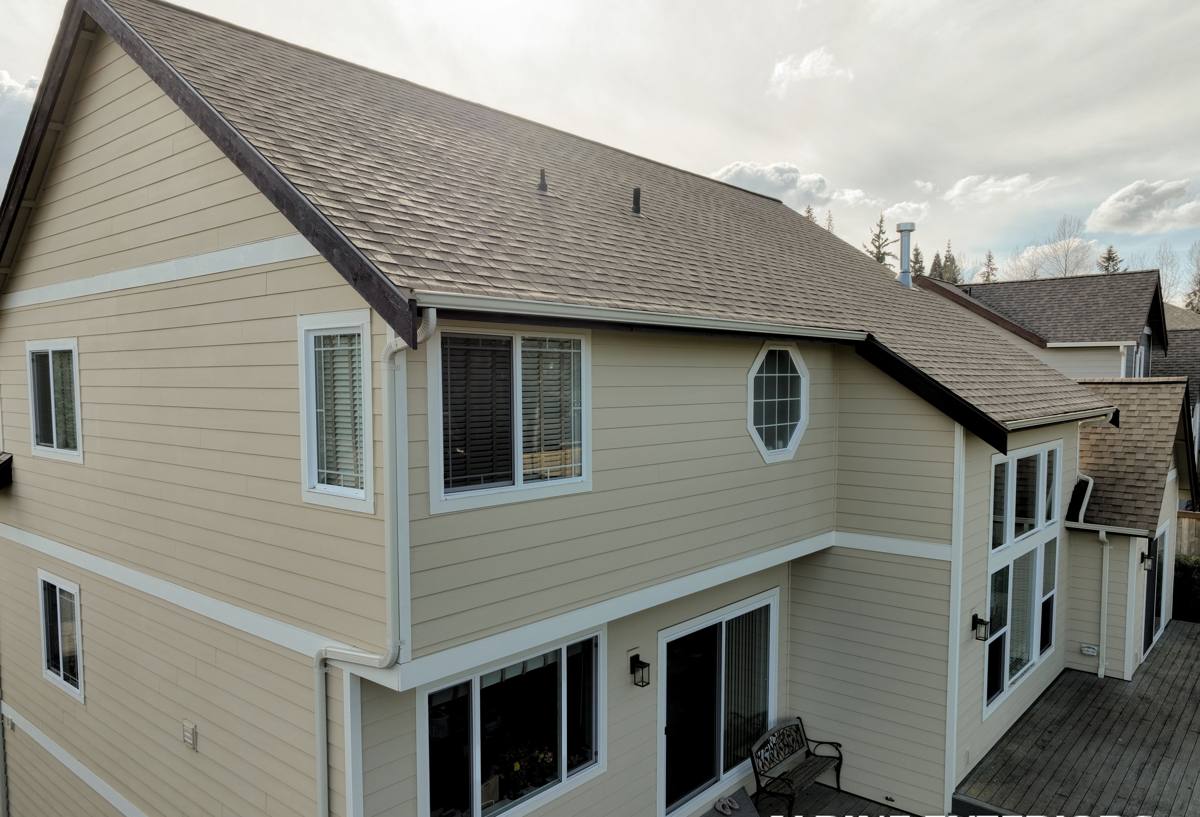
What the Local Climate Actually Demands
Four things drive most of the decisions on a coastal Pinellas County build:
- Wind: Clearwater sits in an area where design wind speeds and, depending on exact location and exposure category, potential windborne-debris requirements affect what glass and frame assembly the building code will accept.
- UV exposure: Florida gets strong, direct sun nearly year-round. Frame materials, glazing seals, and low-E coatings all degrade faster here than they would in a milder climate if they're not rated for it.
- Salt air: Proximity to the harbor and Gulf means airborne salt settles on hardware, fasteners, and frame surfaces. Untreated or mismatched metals corrode faster near the water than a few miles inland.
- Wind-driven rain: Even without a named storm, ordinary summer squalls in this area can drive rain sideways into a wall assembly. The flashing and sealant details around a window matter as much as the window itself.
None of this means new-construction windows in Island Estates need to be exotic — it means the product selection and the installation sequence both need to account for these conditions from the start, not get value-engineered down after the fact.
Florida Building Code and Wind Rating Basics
New-construction windows in Pinellas County have to meet the Florida Building Code's structural and, where applicable, windborne-debris protection requirements for the specific wind zone and exposure category of the lot. In practice that means every window installed needs a valid Florida Product Approval (FL#) or Miami-Dade Notice of Acceptance rating that matches the design pressure requirements for that address, along with an anchoring method that's actually documented on the approved installation instructions — not just "close enough."
Impact-Rated vs. Non-Impact With Shutters
Builders and homeowners in this area generally choose one of two approved paths:
- Impact-rated windows — laminated glass built to resist windborne debris on their own, no separate shutter system needed at time of a storm.
- Non-impact windows paired with code-approved shutters or panels — a lower up-front window cost, offset by needing to deploy protection before every storm.
Either path can be code-compliant. The right call depends on the specific plans, the wind zone the lot falls in, and how much the homeowner wants to rely on remembering to put up shutters versus having the protection built into the glass permanently.
What a Correct New-Construction Install Actually Involves
New-construction is different from a replacement or retrofit job because the window is going into a rough opening in an unfinished wall, before exterior finish and interior trim are in place. That's an advantage — it lets us build the water management right instead of working around what's already there — but only if the sequence is followed correctly.
The Sequence That Matters
- Rough opening checked for correct size, square, and plumb before the window ever goes near it.
- Sill pan flashing installed first, sloped to drain water back outside the wall assembly rather than into it.
- Window set, shimmed level and plumb, and anchored per the manufacturer's approved fastening schedule — not a generic pattern.
- Head, jamb, and sill flashing integrated with the house wrap or weather-resistive barrier in the correct shingle-lap order so water sheds down and out.
- Sealant applied at the specified joints only — over-sealing can trap moisture just as badly as under-sealing.
- Final check for square, smooth sash operation, and that weep holes are clear and functional.
Skipping or reordering any of these steps is the single most common reason a technically good window ends up leaking a year or two after move-in. The window itself is rarely the problem — the flashing and sequencing around it usually is.
Choosing the Right Frame and Glass for This Location
| Factor | What to Look For in Island Estates |
|---|---|
| Frame material | Vinyl or fiberglass with UV-stable formulations hold up well; look for marine-grade or corrosion-resistant hardware near the water |
| Glass package | Low-E coated, impact-rated laminated glass reduces both storm risk and solar heat gain |
| Fasteners & hardware | Stainless steel or coated fasteners resist salt-air corrosion better than standard galvanized |
| Wind rating | Must match the design pressure (DP) rating required for the specific lot's wind zone and exposure category |
| Warranty structure | Look for coverage that includes seal failure and finish, not just glass breakage |
We steer new-construction clients away from window assemblies that look fine on a spec sheet but have a track record of seal or finish problems in high-UV, high-salt environments — not because any one brand is universally bad, but because certain frame finishes and seal designs simply age faster under direct Florida sun and salt exposure than others. That's a maintenance and longevity conversation we're happy to have honestly, product by product, based on how it actually performs here.
How Our Process Works on a New-Construction Job
For Island Estates builds, we typically coordinate directly with the builder or general contractor rather than working in isolation:
- Plan review: We confirm window schedule, sizes, and required wind/impact ratings against the approved plans before ordering anything.
- Product ordering: Windows are ordered to the confirmed rough opening sizes and design pressure requirements — no substitutions without sign-off.
- Pre-install walkthrough: Rough openings are checked before we install, so problems get caught while they're still cheap to fix.
- Installation: Flashing, setting, anchoring, and sealing done in the correct sequence, by the same crew from start to finish on a given opening.
- Documentation: Photos and product approval paperwork kept on file to support the county inspection and, later, the homeowner's insurance file.
- Final walkthrough: Every window operated, checked, and cleaned before we consider the job done.
Mistakes We See on Coastal New-Construction Jobs
Most of the callback work we get asked to fix on newer coastal homes traces back to a handful of recurring issues:
- Flashing installed in the wrong order relative to the house wrap, so water gets directed behind the barrier instead of over it
- Fasteners that don't match the window manufacturer's approved schedule, which can void both the product warranty and the wind rating
- Standard hardware used instead of corrosion-resistant hardware, leading to premature rust streaking and stuck locks within a few years
- Sealant used as a substitute for proper flashing rather than as a secondary line of defense
- Wind rating on the installed window not actually matching what the permit and plans called for
Every one of these is preventable with a crew that treats the sequence as non-negotiable, not something to speed through to hit a schedule.
Why Local Experience in Island Estates Specifically Matters
A crew that has worked this specific stretch of the Pinellas County coastline knows the practical realities that don't show up on a spec sheet: how exposure to open water on certain lots changes wind loading, which flashing details hold up best against the salt air here, and how to sequence work around the county's inspection scheduling for new-construction permits. That local track record matters more than a lower bid from a crew that's never worked a barrier-island or near-coastal lot before.
Questions Worth Asking Any Contractor Before You Hire
- Can you show me the Florida Product Approval or Miami-Dade NOA number for the windows you're proposing?
- What's your flashing sequence, step by step, and can you walk me through it?
- Who pulls the permit, and who's on site for the county inspection?
- What does your warranty actually cover — glass, seal failure, labor, or all three?
- Have you worked on other new-construction or near-coastal jobs in this area?
Maintenance Once the Windows Are In
Even a correctly installed window benefits from basic upkeep in a salt-air environment. Rinsing exterior frames and hardware periodically to remove salt residue, checking weep holes for debris, and keeping an eye on caulking at the trim line for cracking are all simple habits that extend the life of the install by years. None of this is complicated, but it does need to actually happen — salt air doesn't pause for a busy season.
If you're planning new construction or an addition in Island Estates and want window work done right the first time — correct ratings, correct flashing, correct paperwork for your permit and inspection — we're glad to walk the plans with you. Request a free, no-pressure estimate using the form below and we'll take it from there.