 Clearwater Siding
 Metal Roofing for Sunset Point Homes
Sunset Point sits close enough to Old Tampa Bay and the Gulf that salt-laden air, direct sun, and wind off the water are part of daily life for every roof in the neighborhood. Homeowners here call us about metal roofing for a mix of reasons: an aging shingle roof that's taken enough hail and heat cycling, a renovation where the look of standing seam fits the home, or simply wanting a roof that won't need replacing again in 12-15 years. Metal is a legitimate, durable option for this part of Clearwater — but only when the assembly underneath it, the fasteners, and the flashing details are matched to what this climate actually does to a roof.
This page covers what a correctly installed metal roof looks like for a Sunset Point home, the decisions that matter most, and how we run the job from first estimate to final walkthrough.
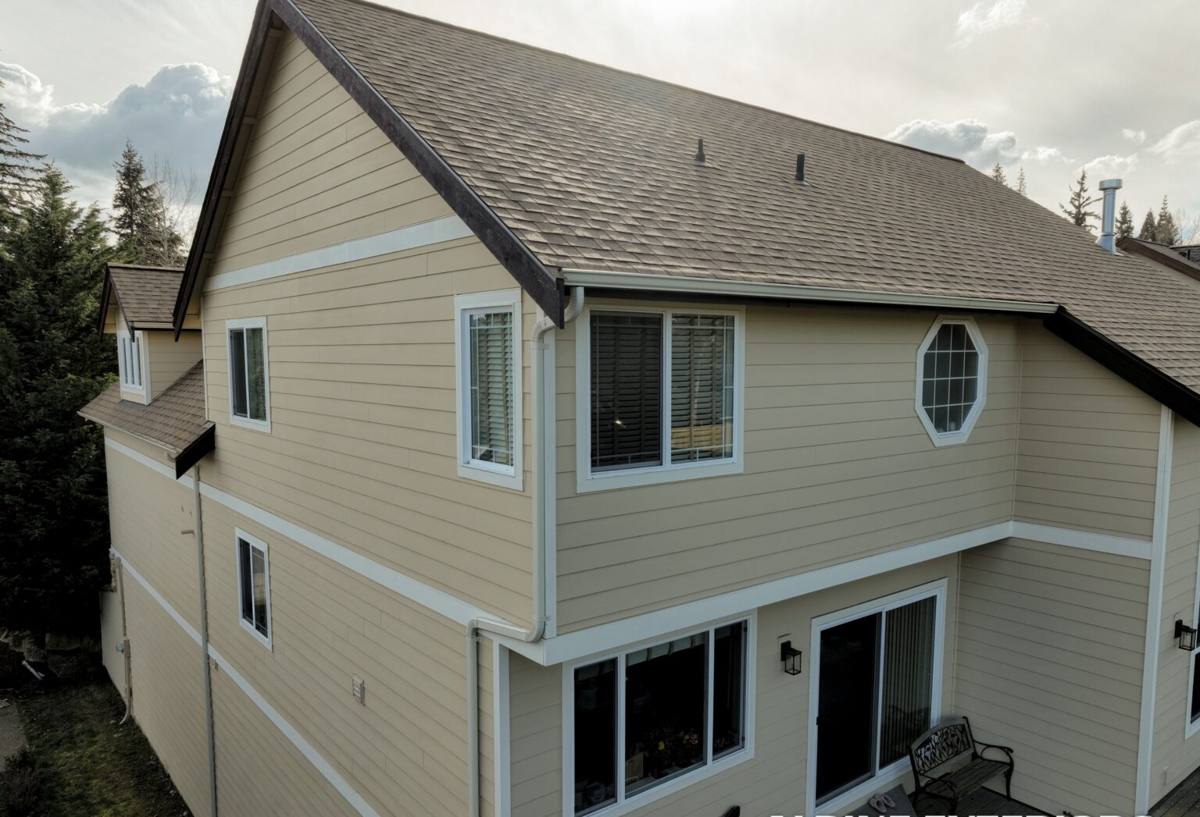
What Sunset Point's Climate Demands From a Metal Roof
Pinellas County roofs deal with a specific combination of stresses, and Sunset Point's proximity to the bay adds a layer most inland neighborhoods don't have to worry about as much.
Salt Air and Corrosion
Homes within a mile or two of the water see accelerated corrosion on any exposed metal that isn't rated for a coastal environment. Fasteners, flashing, and the panel finish itself all need to be chosen with that in mind — the wrong screw or an unprotected cut edge becomes a rust streak within a couple of years.
Wind Uplift
Clearwater sits in a hurricane-exposed wind zone, and roofs on more open lots or near water tend to see stronger gusts than roofs tucked into denser tree cover. Metal roofing performs very well in high wind when it's fastened and clipped correctly, but the panel system, fastening pattern, and edge detailing all have to be engineered for the actual wind load your address carries — not just installed to a generic spec.
UV and Heat
Florida sun is hard on any roofing material, and metal is no exception when it comes to finish longevity. A quality factory-applied coating resists chalking and fading far longer than a cheap finish, and it also affects how much heat the roof transfers into the attic below.
Wind-Driven Rain
Afternoon storms here don't just fall straight down — wind pushes rain sideways and up under laps, ridges, and penetrations. The underlayment, seam design, and flashing details matter as much as the panels themselves for keeping water out during a real storm, not just a calm-weather rain.
What a Correct Metal Roof Installation Involves
A metal roof is only as good as the layers and details most people never see once it's finished. For Sunset Point homes, we treat these as non-negotiable:
- Deck inspection and repair — any soft, delaminated, or water-damaged decking gets replaced before a single panel goes down. Metal over a bad deck just hides a problem.
- Underlayment matched to the panel type — synthetic or self-adhered underlayment sized for wind-driven rain exposure, with extra protection at eaves, valleys, and penetrations.
- Fastener selection for coastal exposure — corrosion-resistant screws and clips appropriate for a home this close to the bay, not the cheapest fastener that happens to fit.
- Panel system suited to the roof's wind exposure — standing seam with concealed clips for higher-exposure roofs, or a well-detailed exposed-fastener system where it's appropriate and budget-conscious.
- Flashing at every transition — valleys, walls, chimneys, skylights, and penetrations are where metal roofs actually fail when they fail. These get formed and sealed individually, not caulked as an afterthought.
- Proper ventilation — ridge and soffit venting sized correctly so the attic isn't trapping heat and moisture under the new roof.
Panel Options and How to Think About Them
Not every metal roof system is the right fit for every home, and the differences matter more than most product brochures let on.
| System | Best fit | Trade-offs |
|---|---|---|
| Standing seam (concealed fastener) | Higher wind exposure, longer-term ownership, clean architectural look | Higher upfront cost; requires more installation skill to get seams and clips right |
| Exposed-fastener panel | Budget-conscious projects, outbuildings, some home styles | Fasteners need re-tightening or replacement over time and are a common source of leaks if not installed carefully |
| Stone-coated steel | Homeowners who want the look of tile or shingle with metal's durability | More installation detail at overlaps; heavier than standard panel systems |
For most Sunset Point homes, especially anything within easy reach of the water, we lean toward standing seam or a well-installed stone-coated system because the concealed or interlocking fastening handles wind uplift and long-term coastal exposure better. Exposed-fastener panels aren't a bad product — they're just a system that trades some long-term maintenance-free performance for a lower installed cost, and we'll tell you that plainly rather than upsell you past what your project actually needs.
Coatings and Finish
The paint or coating system on a metal roof does most of the work of resisting Florida UV and salt exposure over time. A quality factory finish with a real warranty behind it costs more upfront than a bare or lightly coated panel, but it's the difference between a roof that still looks good in year 15 and one that's chalking and fading by year 6. We'll walk you through the finish options and their actual warranty terms rather than just the color chart.
Cost Factors for a Sunset Point Metal Roof
Metal roofing costs more per square foot installed than asphalt shingles, and the final number depends on more than just roof size. The main variables we price around:
| Factor | Why it matters |
|---|---|
| Panel system chosen | Standing seam runs higher than exposed-fastener panel due to material and labor |
| Roof complexity | Valleys, dormers, and multiple roof planes add flashing work and labor time |
| Existing deck condition | Rot or delamination found during tear-off adds repair cost before installation |
| Coating/finish tier | Better coatings cost more but extend how long the finish resists UV and salt |
| Ventilation upgrades | Adding or correcting ridge/soffit venting is sometimes needed and adds to scope |
We don't give real numbers over the phone without seeing the roof — pitch, access, and existing conditions all move the price. What we can tell you is that metal is a long-term investment: it costs more to install than shingles but typically outlasts them by a wide margin and requires less maintenance along the way.
Our Process
Every metal roof project follows the same sequence, whether it's a full tear-off or a re-roof over an existing structure that qualifies for it:
- On-site assessment — we inspect the existing roof, deck, ventilation, and any problem areas, and walk the property with you to talk through options honestly.
- Written estimate — a clear scope of work and pricing, with the panel system and finish spelled out, not just a lump-sum number.
- Material delivery and staging — panels and accessories are ordered to the roof's actual measurements, not estimated in the field.
- Tear-off and deck repair — old roofing removed, deck inspected, and any damaged sections replaced before underlayment goes down.
- Underlayment and flashing — the waterproofing layer and all flashing details go in first, since these are what actually keep water out.
- Panel installation — panels installed to the fastening pattern and clip spacing appropriate for the roof's wind exposure.
- Final walkthrough — we go over the finished roof with you, cover warranty paperwork, and answer any questions before we consider the job done.
Maintenance Checklist for Metal Roofs in This Climate
A metal roof installed correctly needs far less attention than shingles, but "none" isn't accurate for a home exposed to salt air and coastal storms. A simple annual routine goes a long way:
- Visually check for scratches or chips in the coating after major storms — bare metal exposed to salt air corrodes faster than coated panels.
- Clear debris from valleys and around penetrations so water doesn't pool or back up under laps.
- Check exposed fasteners (if that system was used) for backing out or early corrosion.
- Inspect flashing at chimneys, skylights, and wall transitions for sealant that's dried out or pulled away.
- Rinse accumulated salt residue off the roof surface periodically if the home is close to the water.
- Have the roof looked at after any named storm that produced sustained high winds, even if nothing looks obviously wrong from the ground.
Why Local Experience Matters for This Job
Metal roofing done wrong doesn't usually fail on day one — it fails two, five, or ten years in, at the fastener pattern that wasn't right for the wind exposure, or the flashing detail that was caulked instead of formed. A crew that regularly works Sunset Point and the surrounding Clearwater neighborhoods has already seen how these roofs perform through actual hurricane seasons and actual salt exposure, not just how they're supposed to perform on paper. That experience shows up in fastener choice, in how valleys and penetrations get detailed, and in knowing which finish tiers actually hold up a mile from the bay versus twenty miles inland.
We also know the practical side of working in this area — permitting through Pinellas County and the City of Clearwater, wind-load requirements tied to your roof's exposure category, and scheduling around Florida's storm season rather than getting caught mid-project when weather rolls in.
Get a Straight Answer on Your Roof
If you're weighing metal roofing for a Sunset Point home, we'll come look at the actual roof, give you an honest read on condition and options, and put together a written estimate with no pressure to sign anything on the spot. Reach out through the form below to schedule a free estimate.