 Clearwater Siding
 Largo Homes Deal With a Tougher Set of Conditions Than Most Window Buyers Realize
Largo sits in the middle of Pinellas County, close enough to both the Gulf and Tampa Bay that its homes take on the same weather stress as the immediate coastline — just with a little less attention paid to it in most window-buying guides. Between hurricane-season wind events, wind-driven rain that gets pushed sideways into window frames, salt-laden air that finds its way inland on sea breezes, and some of the most intense year-round UV exposure in the continental United States, a window on a Largo home is doing real structural and environmental work every single day, not just letting light in.
Off-the-shelf windows, or windows installed without real attention to flashing and fastening detail, tend to show their weaknesses here faster than they would in a milder climate. Seals fail early. Frames chalk and pit. Hardware corrodes. Water finds its way behind trim during the next heavy squall. Custom windows — sized, specified, and installed for the specific opening and exposure of a specific Largo home — are how you avoid redoing this work again in five or seven years.
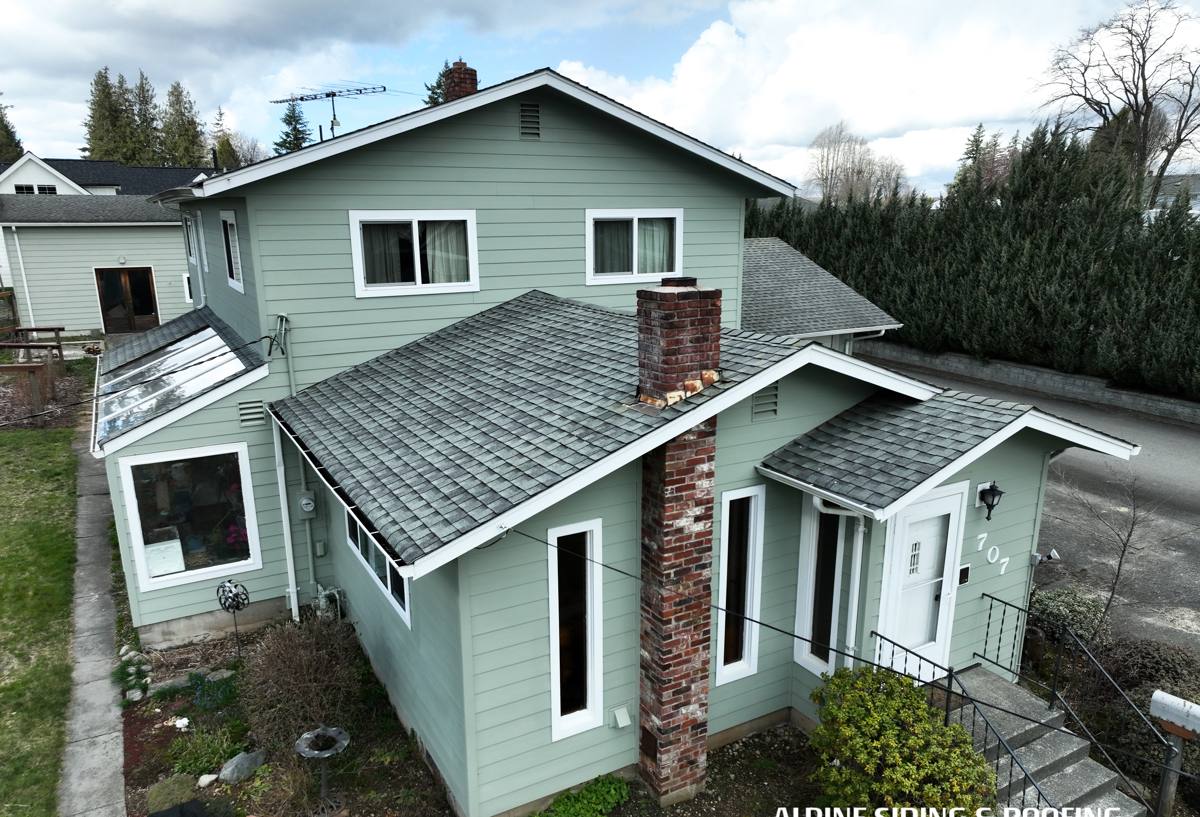
What "Custom" Actually Means for a Largo Window Job
"Custom" doesn't just mean a nicer window. It means the window is built to match the actual conditions of your house rather than the nearest standard size on a shelf. That matters more in this part of Florida than most homeowners expect, for a few practical reasons:
Older Openings Are Rarely Square
A lot of Largo housing stock dates from the mid-century Florida building boom through the 1980s and 90s. Framing has settled, stucco has been patched over the years, and openings that were once standard sizes have shifted slightly out of square. A stock window forced into a slightly irregular opening gets shimmed, caulked, and hoped for — and that's exactly where wind-driven rain finds its way in during the next storm. A custom window is measured and built to the opening as it actually exists today.
Coastal Wind and Impact Requirements Aren't Optional
Pinellas County sits within Florida's windborne debris region, which means replacement windows have to meet specific wind-load and impact-resistance standards under the Florida Building Code — not just "hurricane strength" as a marketing phrase, but a tested and labeled product rating tied to your specific wind zone. Exact requirements can vary depending on where in Largo the home sits and how exposed it is, so this is confirmed with the local building department before anything is ordered, not assumed from a catalog.
Style and Sightlines Vary Home to Home
Largo has everything from low-slung ranch homes to newer two-story builds to older Florida bungalows with deep window openings. Sash proportions, grille patterns, and trim depth all need to match the house, not just fill the hole in the wall. That's a design decision as much as a technical one.
Impact-Rated Glass: What It Actually Buys You
Impact-rated windows get talked about almost entirely as a hurricane feature, but for a Largo homeowner they're doing double duty year-round.
- Storm protection: Laminated impact glass stays intact in its frame even when struck by wind-borne debris, which is the actual code requirement it's tested against — not just breaking without shattering, but staying in place as a barrier.
- UV and heat control: The laminate layer and low-E coatings available on most impact glass block a significant share of UV transmission, which slows fading of flooring, furniture, and window treatments and reduces solar heat gain — a real cost factor given how much of the year Largo runs its AC.
- Noise reduction: The laminated construction dampens outside noise noticeably compared to standard single-pane or older double-pane glass, which matters on busier Largo streets.
- Insurance considerations: Impact-rated windows can affect wind mitigation credits on a homeowner's insurance policy — the exact discount depends on the carrier and the full mitigation picture of the home, so this is worth confirming with your insurance agent rather than assuming a fixed number.
Impact glass isn't the only path to code compliance — some homeowners pair non-impact windows with code-rated shutters instead. We'll walk through both approaches honestly, including the ongoing effort of deploying shutters versus the up-front cost of impact glass, so the choice fits how you actually live in the house.
Frame Material: The Decision That Determines How the Window Ages
Glass gets most of the attention, but in this climate the frame material is often what determines whether a window is still performing well in fifteen years or already showing problems in five.
| Frame Material | How It Handles Salt Air & UV | Maintenance | Typical Fit |
|---|---|---|---|
| Vinyl | Resists corrosion well; quality varies by grade, and cheaper vinyl can become brittle under sustained UV | Low — no painting, occasional cleaning | Budget-conscious replacements, rental/investment properties |
| Aluminum | Strong and slim-profile, but prone to pitting and corrosion near salt air unless properly coated | Moderate — coating needs periodic attention | Larger openings, impact storefront-style windows |
| Fiberglass | Excellent dimensional stability and corrosion resistance; handles heat and UV cycling with minimal expansion issues | Low — very stable finish | Higher-end custom replacements, homes prioritizing longevity |
| Wood / Wood-Clad | Vulnerable to moisture and salt exposure unless clad and well-sealed; classic look but higher risk in this climate | High — regular inspection and sealing required | Historic-style homes where appearance is the priority |
We don't push one material as universally "best" — each of these is a legitimate choice with real trade-offs. What we won't do is install a frame material that's a poor match for a home's specific sun and salt exposure just because it's the cheaper option on the truck that day. That's a decision we make with you, based on where the window sits on the house and what you're willing to maintain.
How We Approach a Custom Window Job in Largo
The product is only half the job. Installation technique is what actually determines whether a window performs the way its rating suggests, and it's where a lot of shortcuts get taken.
1. On-Site Measurement and Assessment
Every opening is measured individually — width, height, square, and plumb — along with a look at the substrate behind the existing window: stucco condition, sheathing, and any signs of past water intrusion. This is also when we confirm which wind zone and code requirements apply to that specific opening.
2. Product Selection and Ordering
Frame material, glass package, and configuration are specified to match both the opening and the home's exposure — a west-facing wall taking direct afternoon sun gets a different glass recommendation than a shaded north-facing opening, even on the same house.
3. Removal Without Damaging the Opening
Old windows are removed carefully to protect the surrounding stucco, framing, and interior finish. Rushed removal is one of the most common ways a "simple" window job turns into an unplanned drywall or stucco repair.
4. Flashing and Water Management
This is the step that determines whether wind-driven rain stays outside the wall assembly. Proper flashing tape, sill pans, and sealant sequencing matter more in Largo's storm pattern than in drier climates — water that gets behind an improperly flashed window doesn't always show up as a visible leak right away. It shows up months later as a soft spot, a stain, or mold inside the wall.
5. Setting, Shimming, and Fastening to Code
The window is set plumb and square, shimmed correctly to avoid stressing the frame, and fastened according to the manufacturer's tested installation instructions — which is what actually keeps the product's impact rating valid. An impact window fastened incorrectly is not an impact-rated installation, regardless of what the glass itself is rated for.
6. Sealing, Trim, and Final Inspection
Interior and exterior sealant is applied, trim is finished to match the home, and the completed opening is inspected against the permit and manufacturer specifications before we call the job done.
Problems We Commonly Find in Largo Window Replacements
A fair amount of our custom window work in this area is correcting or replacing installations that were done quickly or without attention to Florida-specific detail. Recurring issues include:
- Original aluminum single-pane windows original to older homes, now with corroded frames, failed glazing, and no meaningful storm protection
- Prior replacement windows installed without proper flashing, leading to slow water intrusion that wasn't obvious until interior damage appeared
- Windows caulked into out-of-square openings instead of properly shimmed, creating ongoing air and water leaks around the frame
- Mismatched impact ratings across a home's window openings, where only street-facing windows were upgraded and the rest were left non-compliant
- Hardware and weep holes clogged or painted over, trapping moisture inside the frame system
None of these are unusual or embarrassing — they're just what happens when window work is treated as a quick swap rather than an envelope-specific job. Part of a custom window assessment is identifying which of these issues exist on your home before we plan the new installation.
Permitting and Code in Largo and Pinellas County
Window replacement in Largo generally requires a permit, since it involves both structural fastening and, for impact-rated products, compliance with Florida Product Approval standards. We handle this as a normal part of the process rather than treating it as an extra step:
| Step | What Happens |
|---|---|
| Product specification | Windows are selected with valid Florida Product Approval (NOA/FL number) matching the required wind zone |
| Permit application | Submitted to the appropriate local building department with product documentation attached |
| Installation to spec | Fastening and flashing performed per the manufacturer's approved installation instructions — required for the permit to pass inspection |
| Final inspection | Building department inspector confirms the completed work matches the permitted scope |
Skipping permitting on window replacement is a real risk — beyond the code exposure, it can create problems at resale when a buyer's inspector or the county can't find a permit record for work that clearly required one. We pull permits as a standard part of every custom window job.
Living With Windows in Salt Air and Florida Sun: Maintenance That Actually Matters
Even a well-installed, correctly specified window benefits from basic upkeep in this environment. A short seasonal routine goes a long way:
- Rinse frames and glass periodically to clear salt residue, especially on homes closer to open water
- Check and clear weep holes along the bottom of the frame so trapped water can drain out as designed
- Inspect exterior sealant/caulk lines once a year, and address any cracking before the next rainy season
- Operate hardware (locks, cranks, rollers) periodically even on windows you don't open often, so mechanisms don't seize
- Look at the interior sill after major storms for any sign of moisture that shouldn't be there
None of this requires special products or a service contract — it's the kind of maintenance most homeowners can do themselves in twenty minutes. What it does is catch small problems (a cracked sealant line, a clogged weep hole) while they're still small.
Why Local Experience in Largo Specifically Matters
Window codes, wind zones, and even typical construction details can vary meaningfully from one part of Pinellas County to another, and even from one Largo neighborhood to the next depending on proximity to open water and the age of the housing stock. A crew that regularly works this specific area already understands the common framing quirks in Largo's housing stock, has a working relationship with the local permitting process, and isn't guessing at wind zone requirements for the first time on your job. That familiarity shows up in fewer surprises — during installation and for years afterward.
If you're weighing custom window options for a Largo home, we're happy to take a straightforward look at your specific openings, walk through material and glass trade-offs honestly, and give you a written estimate with no pressure attached. Use the form below to get started.