 Clearwater Siding
 Barrier Island Living Puts Real Demands on a Home's Exterior
Indian Rocks Beach sits right on the Gulf, which is exactly why people love it and exactly why the siding on these homes works harder than siding almost anywhere else in the region. A house here isn't just dealing with normal Florida weather — it's absorbing salt-laden air off the water, taking wind-driven rain at angles that push moisture into seams a few miles inland wouldn't see, and sitting under direct sun for most of the year. Add hurricane season into that mix and you've got an exterior that needs to be installed correctly the first time, because a barrier island doesn't give a poorly installed product much time to fail quietly. It fails fast, and it fails visibly.
We install siding specifically with that environment in mind. This page covers what Indian Rocks Beach homes actually need from a siding installation, what a correct job looks like, and how our process is built around the realities of working this close to the Gulf.
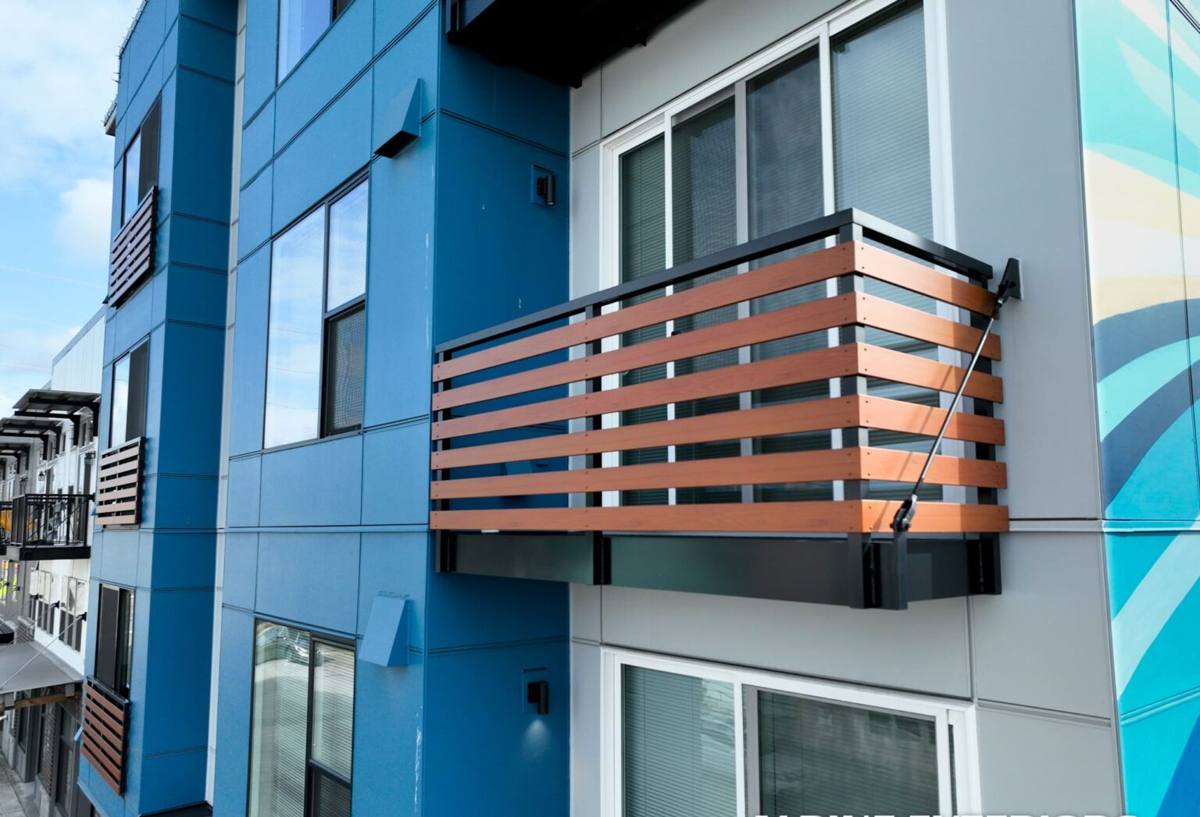
What the Gulf Coast Actually Does to a Wall
Salt Air and Corrosion
Airborne salt doesn't stay at the water's edge — it travels, settles on exterior surfaces, and accelerates the breakdown of anything not built to resist it. Over time it attacks fasteners, coatings, and the surface of materials that aren't rated for a marine-adjacent environment. Siding on a barrier island home needs a finish and a fastening system that can shrug off years of that exposure without chalking, pitting, or losing adhesion.
Wind-Driven Rain
Rain in Indian Rocks Beach rarely falls straight down during a storm. Gulf winds push it sideways, and sideways rain finds every gap in flashing, every short lap, and every fastener that wasn't set to spec. Once water gets behind siding, the problem stops being cosmetic and starts being structural — wet sheathing, compromised framing, and mold are what happen next if the water management behind the siding wasn't done right.
UV and Heat Cycling
Direct coastal sun bakes exterior surfaces daily, and Florida's heat-humidity-heat cycle stresses coatings and substrates in a way milder climates don't. Products with weak factory finishes fade, chalk, or crack under that kind of sustained UV load, which is a maintenance burden homeowners end up carrying for the life of the siding.
Hurricane-Force Wind Loads
Pinellas County sits in a wind-borne debris region under the Florida Building Code, and a barrier island community like Indian Rocks Beach takes the fullest force of that wind when storms move through. Siding here has to be fastened and detailed to hold up under sustained wind loads and flying debris impact, not just look good on a calm day.
Why We Install Only James Hardie Fiber Cement Here
We standardized on James Hardie fiber cement siding, and we don't install vinyl, LP SmartSide, Cemplank, Allura, or primed wood products — on Indian Rocks Beach homes or anywhere else. That's not a marketing position, it's a decision based on what actually holds up in this exposure. Fiber cement is non-combustible, dimensionally stable in heat and humidity swings, and resistant to the moisture intrusion and pest issues that come with wood-based products. James Hardie's HZ5 product line is engineered specifically for humid, high-moisture climates like ours, and the factory-applied ColorPlus finish is baked on under controlled conditions rather than painted on-site — which means better adhesion and color retention under sustained coastal UV than field-applied paint typically achieves.
Vinyl siding can soften, warp, or blow off in high wind events, and it doesn't offer the impact resistance fiber cement does. Wood-based and engineered wood products carry ongoing moisture and maintenance risk in a climate that never really dries out. We'd rather put one product on every home we touch — and know exactly how it performs over 20-plus years in this exposure — than install several products with different long-term track records.
What a Correct Installation Involves
Tear-Off and Substrate Inspection
Before new siding goes up, the old material comes off and the sheathing underneath gets inspected. Any rot, soft spots, or hidden moisture damage from a prior installation's water intrusion needs to be addressed before anything new is installed over it — covering up a problem is how homeowners end up paying for the same repair twice.
Weather-Resistive Barrier and Flashing
A correctly installed weather-resistive barrier, properly lapped and taped, along with flashing at every window, door, and penetration, is what actually keeps wind-driven rain out of the wall assembly. The siding itself is the visible layer; the water management behind it is what determines whether the wall stays dry over the next hurricane season.
Fastening for Coastal Wind Zones
James Hardie specifies fastener type, spacing, and embedment depth for a reason — under-fastened or improperly nailed siding is one of the most common causes of wind failure. For a wind-borne debris region like Pinellas County, following the manufacturer's fastening schedule to the letter isn't optional.
Factory-Applied ColorPlus Finish
Where the color and finish come from matters. ColorPlus technology applies the finish in a controlled factory environment with multiple coats and a baked-on process, which holds up to coastal UV and salt exposure significantly better than field-painted siding, and it carries its own finish warranty on top of the product warranty.
How Our Process Works
- On-site evaluation — we walk the exterior, check current siding and substrate condition, and note any moisture, ventilation, or drainage issues specific to the property.
- Detailed proposal — a written scope covering tear-off, substrate repair if needed, product line, profile, color, and installation timeline.
- Substrate prep — removal of old siding, repair of any damaged sheathing or framing, and installation of a code-compliant weather-resistive barrier.
- Flashing and trim — proper detailing at every window, door, and roofline transition before siding installation begins.
- Siding installation — installed to James Hardie's fastening and clearance specifications, including correct gapping and caulking at joints.
- Final walkthrough — we review the completed work with the homeowner before considering the job done.
Comparing Siding Options for a Barrier Island Home
| Factor | James Hardie Fiber Cement | Vinyl | Wood / Engineered Wood |
|---|---|---|---|
| Salt air resistance | Strong — non-combustible, dimensionally stable | Moderate — can become brittle over time | Weak — moisture-prone, needs frequent maintenance |
| High wind performance | Rated fastening system, strong impact resistance | Can crack or blow off in sustained high winds | Varies; seams and edges vulnerable to wind-driven rain |
| Finish durability under UV | Factory-baked ColorPlus, long fade resistance | Color molded through material but can chalk/fade | Field-applied paint needs recoating every few years |
| Fire rating | Non-combustible | Combustible | Combustible |
| Typical warranty structure | Long-term, transferable manufacturer warranty | Varies by manufacturer, often prorated | Limited, often maintenance-dependent |
What Drives the Cost of a Siding Job Here
| Cost Factor | Why It Matters in Indian Rocks Beach |
|---|---|
| Substrate condition | Coastal moisture exposure means a higher chance of hidden sheathing repair before new siding goes on |
| Home size and wall complexity | More corners, dormers, and transitions mean more flashing and trim labor |
| Siding profile and accessories | Lap width, trim style, and soffit/fascia work all factor into total scope |
| Access and site conditions | Narrow lots and elevated coastal construction can affect staging and labor time |
| Existing exterior removal | Full tear-off versus a simpler re-side changes both labor and disposal costs |
Exact pricing depends on the specifics of the home, which is why we walk every property before giving a number rather than quoting off a phone call.
Questions to Ask Before You Hire a Siding Contractor in Indian Rocks Beach
- Are they a certified or experienced James Hardie installer, and can they explain the fastening spec they'll follow?
- Do they inspect and repair substrate issues before installing new siding, or just cover what's there?
- How do they detail flashing around windows, doors, and roof transitions?
- Is the warranty from the manufacturer transferable, and what does it actually cover?
- Do they have experience working on homes in this specific coastal exposure, not just inland Pinellas County?
- Will you get a written, itemized scope of work before the job starts?
Why Local Experience in This Exposure Matters
A siding job that performs well in inland Tampa Bay isn't automatically going to perform the same way three blocks from the Gulf. Salt exposure, wind loading, and the intensity of wind-driven rain all step up on a barrier island, and a crew that already works Indian Rocks Beach and the surrounding Clearwater coastline knows to treat those conditions as the baseline, not the exception. That shows up in how flashing gets detailed, how fasteners get spaced, and how seriously substrate moisture gets taken before the first piece of siding goes up.
We work throughout Clearwater and Pinellas County's coastal communities, and Indian Rocks Beach's exposure is part of what shapes how we approach every installation here — not a special case we adjust for after the fact.
If you're planning a siding project for your Indian Rocks Beach home, we're happy to walk the property and give you a straightforward, no-pressure estimate. Use the form below to get started.