 Clearwater Siding
 Harbor Oaks is one of Clearwater's older, established neighborhoods, and that history shows up on the roofs as much as anywhere else on the house. Homes here run the gamut from original roofs well past their service life to newer replacements installed after a storm, under mature tree canopy that adds its own maintenance burden on top of everything the Gulf Coast climate already does. A roof in Pinellas County has to survive hurricane-force wind events, intense and nearly constant UV, wind-driven rain that tests flashing in ways a calmer climate never would, and salt air moving in off the water that accelerates corrosion on anything metal. A correct roof replacement in Harbor Oaks has to account for all of it — not just the shingles or tiles on top, but everything underneath them.
What Harbor Oaks Roofs Are Up Against
Every roof in Clearwater deals with the same baseline stress: sun, wind, and water, all more intense here than in most of the country. UV exposure runs close to year-round, which breaks down lower-grade shingle asphalt, sealants, and rubber boot flashings faster than in northern climates, showing up as granule loss, cracking, and brittle flashing years before it should happen. Wind-driven rain during tropical storms and even routine summer downpours pushes water sideways and upward under shingles and around penetrations, which is exactly what proper underlayment and flashing are designed to stop — and exactly where a shortcut installation fails first. Hurricane-force wind events test every fastener, nailing pattern, and roof-to-wall connection on the house, and a roof that looks fine in calm weather can still be under-attached for what Pinellas County actually sees in a storm. Salt air off the water adds a fourth layer of wear, corroding exposed fasteners, flashing, and any metal roofing component not rated for a coastal environment.
Harbor Oaks adds a neighborhood-specific factor on top of that: as the name suggests, a lot of homes here sit under mature oak canopy, and that shade comes with tradeoffs. Overhanging limbs drop debris that clogs valleys and gutters, holds moisture against the roof surface longer than an open roof would see, and can also cause direct impact damage during high winds. None of that means the trees have to go — it means the roofing system and the maintenance plan need to account for them, which is different from what a roof in a newer, more open subdivision typically needs.
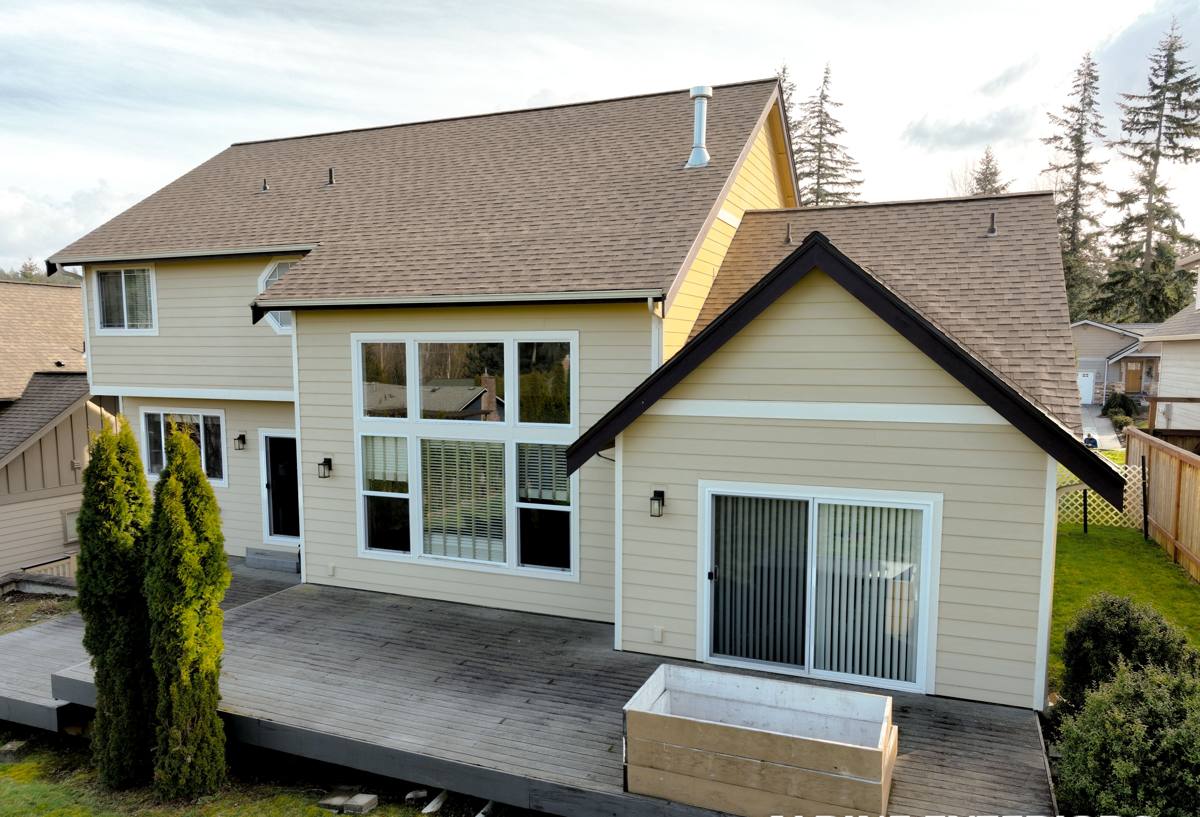
Signs It's Time to Replace, Not Repair
Not every roof problem means a full replacement, and a straight repair is the right call more often than some contractors let on. But certain conditions mean patching is just delaying a bigger cost, especially with the kind of weather this roof has to hold up against.
- Shingles are curling, cracking, or losing granules across large areas rather than in one isolated spot
- The roof has taken visible wind or storm damage in more than one section
- You're seeing daylight through the roof deck from the attic, or consistent staining on interior ceilings
- The roof is nearing or past the manufacturer's expected service life for its material and hasn't been reroofed since
- Multiple past repairs haven't resolved a recurring leak in the same area
- The decking underneath has soft spots, rot, or delamination once a section is opened up
When a Repair Is the Right Call Instead
A localized issue — a cracked pipe boot, a section of storm-damaged shingles, a flashing detail that was never sealed correctly — is often fixable without tearing off the whole roof, especially on a roof that's still within its expected lifespan and otherwise sound. We'll tell you honestly when that's the case. The goal is a roof that performs, not the biggest job we can sell.
What Florida Code Requires on a Reroof
Clearwater sits in a wind-borne debris region under the Florida Building Code, and Pinellas County enforces that code closely on every roofing permit. A reroof isn't just a cosmetic swap — it has to meet current wind-resistance and water-intrusion standards, which in practice means attention to nailing patterns and fastener schedules rated for the wind speeds this area sees, a secondary water barrier at the roof deck so the house stays dry even if the outer roofing layer is compromised in a storm, and correctly rated roof-to-wall connections tying the roof structure down to the walls below it. All of this is inspected, not just self-certified — permitted roof work in Pinellas County goes through plan review and field inspection before it's signed off.
None of this is optional or something a contractor can skip to save time. It's also part of why a cheap, fast reroof quote is worth a second look — if a bid is unusually low, it's worth asking directly whether it includes a permit, inspections, and a code-compliant deck barrier, because leaving any of those out is how a roof ends up failing in a storm it should have survived.
Choosing the Right Roofing System for This Climate
There isn't one correct roofing material for every Harbor Oaks home — the right choice depends on the roof's pitch, the home's architecture, budget, and how much long-term maintenance you want to take on. We'll walk through the honest trade-offs for your specific roof rather than pushing whatever installs fastest.
| Material | Typical Lifespan | Coastal Considerations |
|---|---|---|
| Asphalt shingle (architectural) | Roughly 20–30 years, product-dependent | Choose a high wind-rated, impact-resistant product line for this climate; lower-grade shingles show UV wear early here |
| Standing seam metal | Roughly 40–50+ years | Strong wind performance when installed correctly; needs coastal-rated fasteners and finish to resist salt-air corrosion |
| Concrete or clay tile | Roughly 40–50+ years for the tile itself | Heavy — requires the structure to support it; underlayment and attachment method matter as much as the tile |
Impact-Rated and High-Wind Shingles
On shingle roofs, we lead with wind- and impact-rated product lines built for Florida's wind-borne debris region rather than a generic national product. It costs more up front than a basic shingle, but in a region that regularly sees tropical storm and hurricane-force winds, a shingle rated to actually stay attached is doing the job it's there for. It can also affect what your wind mitigation inspection shows for insurance purposes, which is worth discussing with your insurer once the new roof is in.
What a Correct Roof Replacement Actually Involves
Tear-Off and Deck Inspection
We remove the old roofing down to the deck rather than layering over it, which is the only way to actually see what's underneath. Any soft, rotted, or delaminated decking gets identified and replaced before anything new goes down — installing a new roof over a compromised deck just guarantees problems later, no matter how good the shingles or underlayment are.
Underlayment and Secondary Water Barrier
This layer is the roof's backup plan, and it matters more here than in most of the country. A correctly installed secondary water barrier keeps the house dry even if wind-driven rain gets past the outer roofing material during a storm — which is a real scenario in Clearwater, not a hypothetical one.
Flashing, Valleys, and Penetrations
Flashing around chimneys, walls, skylights, and vent penetrations is where most roof leaks actually start, not out in the open field of the roof. Valleys — especially with the debris load that comes with mature tree canopy in a neighborhood like Harbor Oaks — need to be detailed to shed water and debris rather than trap it.
Ventilation
Proper attic ventilation keeps roof deck temperatures and moisture in check, which extends the life of the roofing material above it and helps prevent moisture problems below it. It's easy to overlook on a reroof since it's not visible from the ground, but it's part of doing the job correctly.
Our Process in Harbor Oaks
- On-site inspection — we assess the current roof, deck condition where accessible, and any storm or tree-related damage specific to your property
- Honest material and scope recommendation — repair versus replacement, and which roofing system fits your roof's pitch, structure, and budget
- Permitting — we handle the Pinellas County permit and code documentation so the job is inspected and compliant, not just fast
- Tear-off and deck repair — old roofing removed, deck inspected, any damaged sections replaced before moving forward
- Underlayment, flashing, and installation — secondary water barrier, flashing, and the roofing material installed to manufacturer spec and current wind-rating requirements
- Cleanup and final inspection — full site cleanup, including a magnetic sweep for stray nails, and the county's final inspection sign-off
What Drives the Cost of a Roof Replacement
We won't quote a number without seeing the roof, but the factors that move price are consistent from project to project.
| Factor | Why It Matters |
|---|---|
| Roof size and pitch | More square footage and steeper pitches mean more material and more labor time |
| Material choice | Asphalt shingle, metal, and tile carry very different material and labor costs |
| Layers to remove | Removing multiple old roofing layers takes more labor than a single-layer tear-off |
| Decking condition | Rotted or damaged decking found during tear-off adds repair cost that can't be known until the roof is opened up |
| Code-required upgrades | Bringing older roof-to-wall connections or deck attachment up to current standards adds work on older homes |
| Access and tree cover | Roofs with heavy overhanging canopy or difficult access take longer to tear off and stage material safely |
Why a Crew That Already Works Harbor Oaks Matters
Manufacturer installation guides are written for average conditions in an average climate, and a lot of roofing crews install to that baseline everywhere they go. A roof in Harbor Oaks doesn't get average conditions — it gets hurricane-force wind events, sustained UV, wind-driven rain, salt air, and in a lot of cases mature tree cover, all stacked on top of each other. A crew that has actually pulled permits in Pinellas County, dealt with the deck conditions common in this neighborhood's older homes, and detailed valleys and flashing for the debris load that comes with oak canopy knows which details in the code and the manufacturer's spec are not optional here, even when they might be treated as optional somewhere calmer and drier.
That local experience also shows up in the parts of the job that don't come up in a sales pitch — how a valley is detailed so it doesn't trap leaf litter and hold moisture, which fastener and flashing materials actually hold up to salt air over time, and what a wind mitigation inspector and a Pinellas County plan reviewer are each going to want to see. Those details are the difference between a roof that's still performing cleanly after a decade of Gulf Coast storms and one that starts leaking or losing shingles in the first major blow.
If your Harbor Oaks roof is aging, showing storm damage, or you're just not sure whether it needs a repair or a full replacement, it's worth having someone look at it in person before you start comparing quotes. We offer free, no-pressure estimates for roof replacement in Harbor Oaks and throughout Clearwater — use the form below to get a time on the schedule.