 Clearwater Siding
 New Roof Installation Built for Harbor Oaks, Not Just "Florida"
Harbor Oaks homeowners already know that a roof here works harder than a roof almost anywhere else in the country. Between Tampa Bay's humidity, the salt air drifting in off the water, and the very real chance of a tropical system every hurricane season, a roof in this part of Clearwater has to be treated as a system — decking, underlayment, flashing, ventilation, and covering all working together — not just a layer of shingles nailed down and forgotten. When we install a new roof in Harbor Oaks, we're not running a generic checklist. We're building for Pinellas County wind and moisture conditions specifically, and we're doing it under the Florida Building Code's High-Velocity Hurricane Zone-adjacent standards that apply to this coastline.
This page covers what a correct new roof installation looks like for homes in this neighborhood, what tends to go wrong when it's rushed or done by an out-of-area crew, and how our process is set up to avoid those problems.
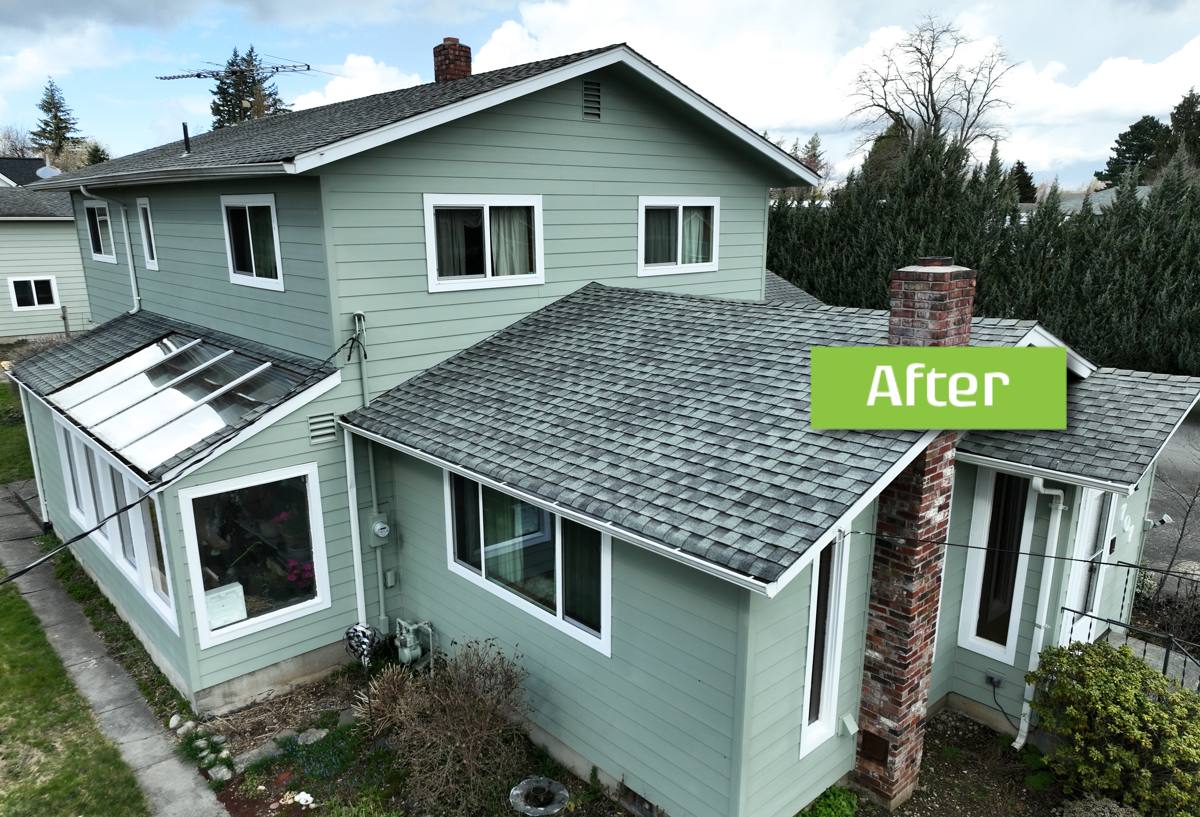
What Clearwater's Climate Actually Does to a Roof
It helps to be specific about the stresses a Harbor Oaks roof faces, because each one drives a different decision during installation.
- Hurricane-force and tropical-storm winds: Uplift at eaves, ridges, and rakes is the number one cause of roof failure in wind events — not the field of the roof, but the edges. Fastening pattern and edge metal matter as much as the shingle brand.
- Intense, near year-round UV: Sun exposure breaks down asphalt oils and degrades unprotected underlayment faster here than in northern climates, which is why underlayment choice and attic ventilation both affect how long a roof actually lasts versus its rated lifespan.
- Wind-driven rain: Storms in this area rarely come straight down. Rain gets pushed sideways and upward under laps, which is why flashing detail and underlayment coverage at valleys, walls, and penetrations matter more here than in drier regions.
- Salt air: Even a few miles from the water, airborne salt accelerates corrosion on exposed fasteners, drip edge, and any unprotected metal. Fastener and flashing material selection isn't cosmetic — it's a lifespan decision.
None of this means a Harbor Oaks roof needs to be exotic or over-engineered. It means the ordinary steps — proper nailing, correct underlayment, sealed penetrations, corrosion-resistant metal — can't be skipped or rushed, because this climate finds every shortcut eventually.
Signs a Harbor Oaks Home Needs a New Roof, Not a Repair
Not every roofing problem calls for full replacement, and we'll tell you honestly when a repair is the right call. Full replacement generally makes more sense when you're seeing:
- Granule loss heavy enough that shingles look patchy or bald in sun-exposed areas
- Multiple layers of shingles already on the roof from past re-roofs (code limits how many layers can stack)
- Soft or spongy decking found during inspection, especially near valleys or old penetrations
- Repeated leaks in different spots rather than one isolated failure point
- A roof nearing or past the age where your insurer starts requiring inspections or non-renewing coverage
- Visible curling, cracking, or lifted shingle edges across large sections, not just one or two spots
Insurance and Age Matter Here More Than Elsewhere
In Pinellas County, roof age is a bigger factor in homeowners insurance than most people expect. Many carriers now require inspections or apply surcharges on roofs past a certain age regardless of condition, and a documented new roof can materially change your premium and eligibility for wind mitigation credits. If insurance renewal is part of what's driving your decision, we can talk through timing before you commit either way.
Roofing Material Options for Harbor Oaks Homes
There's no single "correct" material for every house — it depends on your roof's pitch, your home's style, your budget, and how long you plan to stay in the home. Here's an honest comparison of the main options we install in this area.
| Material | Typical Lifespan (Gulf Coast climate) | Wind Performance | Trade-offs |
|---|---|---|---|
| Architectural asphalt shingle | 18–25 years | Good, when high-wind rated shingles and proper fastening are used | Most affordable upfront; UV and heat shorten lifespan faster than cooler climates |
| Standing seam metal | 40+ years | Excellent, especially with concealed fasteners | Higher upfront cost; noise and expansion need proper detailing but are manageable |
| Concrete or clay tile | 30–50 years (tile itself) | Very good when properly fastened; underlayment fails before tile does | Heavier — requires structure to support it; underlayment replacement is a bigger job at end of life |
| Modified bitumen / low-slope systems | 15–20 years | Good on flat or low-pitch sections when properly sealed | Best suited to porches, additions, and low-slope roof areas, not full steep-slope roofs |
We'll walk you through which of these fits your specific roof rather than defaulting to whatever's easiest for us to install.
What a Correct Installation Actually Involves
The shingle or metal panel you see is the last thing installed, not the most important thing. A roof's actual performance in a storm comes down to the layers underneath and the details most homeowners never see.
Tear-Off and Deck Inspection
We remove the old roofing down to the deck rather than layering over it, which lets us actually inspect the plywood or OSB underneath. Any soft, delaminated, or water-damaged decking gets replaced before anything new goes down — this is one of the most common corners cut by crews trying to move fast.
Underlayment
Given the UV load and wind-driven rain in this area, we use underlayment rated for high-heat, high-moisture climates, with self-adhering membrane at valleys, eaves, and penetrations where wind-driven rain is most likely to intrude.
Fastening and Edge Detail
This is where most storm damage actually starts. Correct nail count, nail placement, and starter strip installation at eaves and rakes are what keep a roof attached during high wind — far more than shingle brand or price point.
Flashing and Penetrations
Chimneys, plumbing stacks, skylights, and wall intersections are the most common leak points on any roof. We use corrosion-resistant metal given the salt air in this area, and we detail these areas to shed water rather than rely on sealant alone.
Ventilation
Proper intake and exhaust ventilation keeps attic temperatures and moisture in check, which extends shingle life and helps prevent the wood-rot and mold issues that heat and humidity create in a closed-up, poorly vented attic.
Our Process, Start to Finish
- On-site inspection and estimate — we look at your current roof, attic ventilation, and any problem areas before quoting anything.
- Material selection — honest guidance on what fits your roof, budget, and how long you plan to own the home.
- Permitting — pulled through the appropriate local building authority before work starts, as required by Florida law for re-roofing.
- Tear-off and deck repair — old roofing removed, decking inspected and repaired as needed.
- Underlayment and flashing installation — detailed at every valley, penetration, and wall intersection.
- New roofing installation — installed to manufacturer and code wind-rating specifications, not just "however it usually gets done."
- Final inspection and cleanup — magnetic sweep for stray nails, full site cleanup, and a walkthrough with you before we consider the job done.
Permits, Wind Mitigation, and Insurance Paperwork
Florida requires a permit for roof replacement, and Pinellas County inspections confirm the work meets current wind-resistance code — this isn't optional paperwork, it's part of what protects you if there's ever a storm claim. We handle the permit process as part of the job. We also provide the documentation most insurance carriers ask for to apply wind mitigation discounts, since a properly installed, code-compliant roof can lower your premium. We won't guarantee a specific discount amount since that's between you and your carrier, but we make sure you have what they need to evaluate it.
Choosing a Crew That Actually Knows This Neighborhood
A roofing crew that mostly works inland or out of state doesn't always think about salt-air fastener corrosion, wind-driven rain at low-slope transitions, or how Pinellas County permitting and inspection actually works day to day. A crew that regularly works Harbor Oaks and the surrounding Clearwater area already knows the local code requirements, has relationships with the local permitting office, and has seen firsthand what fails on roofs in this specific climate versus what holds up. That local track record is worth checking before you hire anyone.
Questions Worth Asking Before You Sign a Roofing Contract
- Are you licensed and insured in Florida, and can you provide proof?
- Will you pull the permit yourselves, or is that left to me?
- Will the decking be inspected and replaced where needed, or only where it's visibly failed?
- What underlayment and fastening spec will you use, and is it rated for this wind zone?
- Do you provide documentation for wind mitigation insurance credits?
- What does your workmanship warranty cover, separate from the manufacturer's material warranty?
Warranty and Long-Term Care
A new roof involves two separate warranties: the manufacturer's warranty on the materials themselves, and our workmanship warranty covering the installation. We'll explain both clearly before you sign anything, including what voids each one — improper attic ventilation and unauthorized modifications are common ways homeowners unknowingly void material warranties, so we make sure the ventilation and installation details are right from the start rather than leaving that risk on the table.
After installation, a roof in this climate still benefits from periodic visual checks, especially after major storms — looking for lifted shingles, damaged flashing, or debris buildup in valleys. We're happy to do a post-storm check for past clients rather than leaving you guessing about whether a roof needs attention.
If your Harbor Oaks roof is aging, storm-damaged, or you're just weighing repair versus replacement, we're glad to come take a look. The estimate is free, there's no pressure to sign anything on the spot, and you'll get a straight answer about what your roof actually needs — use the form below to get started.