 Clearwater Siding
 Why Downtown Clearwater Homes Put Extra Demands on Windows
Older single-pane and even early double-pane windows in Downtown Clearwater are working against a tough combination of conditions most of the country doesn't deal with. Between the Gulf's salt air, near-constant summer sun, wind-driven rain during storm season, and the occasional hurricane-force wind event, a window here has to do more than just look good and open and close smoothly. It has to hold its seal, keep UV and heat out, resist water intrusion under pressure, and stand up to salt-laden air that corrodes weak hardware and finishes faster than it would inland.
When a window fails at any one of those jobs, the homeowner pays for it in a few predictable ways: higher AC bills from heat gain, faded floors and furniture from UV, fogged or cloudy glass from failed seals, and in the worst cases, water getting into the wall cavity during a storm. Energy-efficient windows done right address the whole list at once, not just the utility bill.
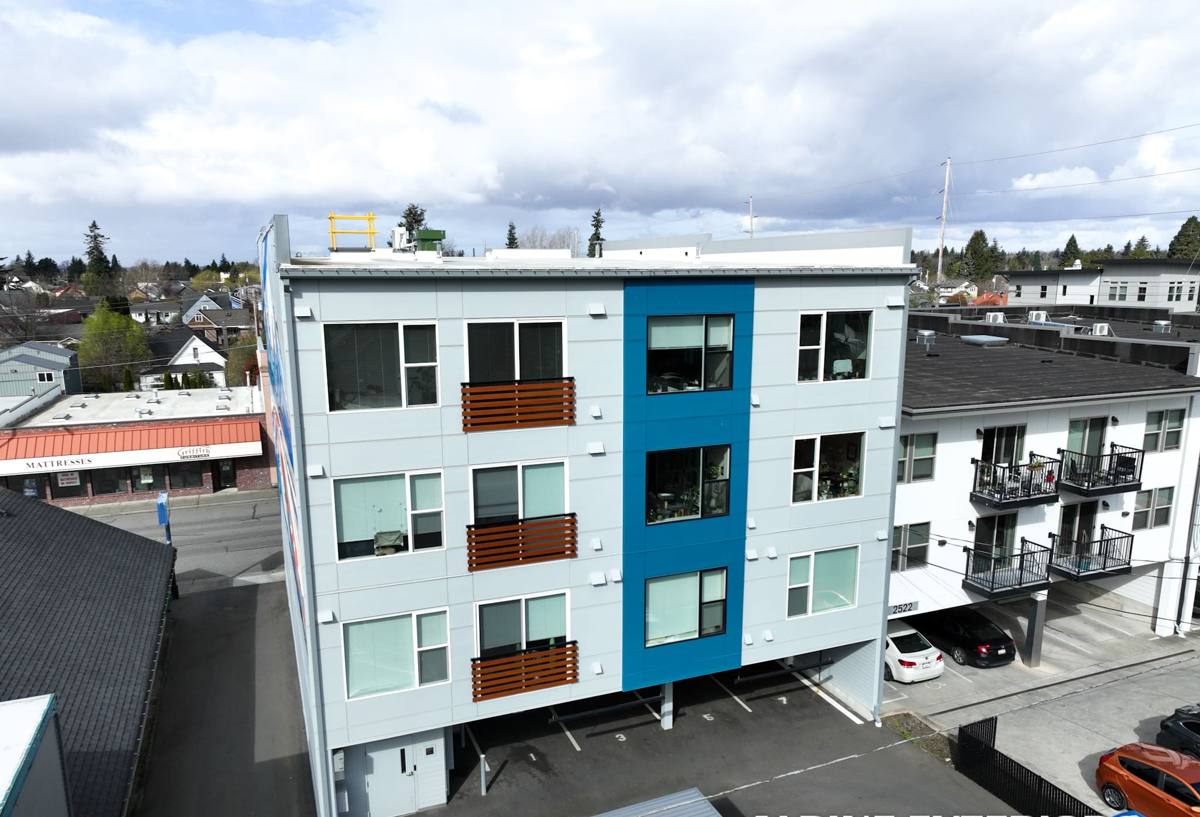
What "Energy-Efficient" Actually Means in This Climate
Energy efficiency for a Downtown Clearwater home isn't the same conversation as it would be up north. Up there, the priority is keeping heat in. Here, the priority is keeping heat and UV out while managing constant humidity and, several months a year, wind and driven rain. A window package that's genuinely suited to Pinellas County generally combines a few things:
- Low-E glass coatings that reflect infrared heat and block a large share of UV without darkening the glass noticeably
- Insulated (dual-pane) glass units with an argon or similar gas fill to slow heat transfer through the glass itself
- Impact-rated or protected glazing that meets Florida Building Code wind-borne debris requirements for our wind zone
- Corrosion-resistant frame materials and hardware — vinyl, fiberglass, or properly finished aluminum — that hold up to salt air without pitting or seizing
- Proper flashing and sealant detailing at the rough opening, because even the best window unit fails if water can get behind it
Notice that only two of those five items are about the glass. The frame, the hardware, and the installation detailing matter just as much as the glazing spec — and they're the parts homeowners are least likely to ask about when they're shopping on price alone.
Impact Rating vs. Energy Rating — They're Not the Same Thing
A common point of confusion: impact resistance and energy efficiency are two different ratings, and a window can be strong on one and weak on the other. An impact-rated window resists penetration from wind-borne debris and helps maintain the building envelope during a storm. An energy-efficient window controls heat transfer and UV. The good news is that most quality impact-rated products sold in this market today are also built with Low-E coatings and insulated glass as standard, so homeowners in our wind zone don't usually have to choose one or the other — but it's worth confirming both specs are actually documented for the exact product going in, not assumed.
Signs Your Current Windows Are Costing You Money
Most homeowners don't replace windows on a schedule — they replace them once the signs pile up. Common ones we see on older Downtown Clearwater homes:
- Glass that feels warm to the touch on the inside during peak afternoon sun
- Visible fogging or a hazy ring between the panes, meaning the seal has failed and the gas fill (if there ever was one) is gone
- Rooms near west- or south-facing windows that never quite cool down evenly with the rest of the house
- Frames that are pitted, chalky, or hard to operate — common on aluminum frames after years of salt exposure
- Noticeable street or traffic noise that a newer insulated unit would dampen
- Soft spots, staining, or a musty smell in the drywall or trim around a window after heavy rain — a sign water is getting past the current flashing
Any one of these on its own isn't an emergency. Several of them together, especially on a home with its original 1980s–90s aluminum single-pane windows, usually means the math favors replacement over continuing to patch and re-caulk.
What a Correct Installation Involves
The window unit itself only accounts for part of the performance. Installation quality is where most energy-efficient window projects actually succeed or fail, particularly in a climate where wind-driven rain will find any gap. A correct installation includes:
- Removing the old unit and inspecting the rough opening for rot, prior water damage, or out-of-square framing before anything new goes in
- Repairing or building out the opening as needed so the new window sits plumb, level, and properly supported
- Installing flashing tape and a water-resistive barrier integrated with the existing wall assembly, layered so water sheds outward and down, never inward
- Setting the window with the correct shims and fasteners per the manufacturer's installation instructions — this is also what keeps the impact rating and warranty valid
- Sealing the exterior and interior perimeter with the right sealant for the substrate, leaving weep paths clear so any incidental moisture can drain back out
- Finish work — trim, interior sill, exterior caulking — done cleanly enough that it doesn't need a second look
Skipping or rushing any one of those steps is how a homeowner ends up with a window that looks fine on day one and leaks or fails prematurely two years later. It's also why we don't quote window replacement as a quick swap-and-go job — the opening prep and flashing take real time, and that time is what protects the wall behind the window.
Frame and Glass Options — A Practical Comparison
There's no single "best" window for every home; the right call depends on budget, the home's age and construction, and how exposed the elevation is to sun and salt air. Here's how the common options stack up for a coastal Pinellas County home:
| Option | Strengths in This Climate | Trade-offs |
|---|---|---|
| Vinyl frame, Low-E insulated glass | Good value, won't corrode, solid insulation, low maintenance | Can expand/contract with heat over time; color and style options are more limited than fiberglass |
| Fiberglass frame, Low-E insulated glass | Very stable dimensionally, holds paint well, excellent longevity in heat and salt air | Higher upfront cost than vinyl |
| Aluminum frame (modern, thermally broken) | Strong, slim sightlines, good for larger openings | Needs a quality finish and thermal break to avoid the heat transfer and corrosion issues of older aluminum |
| Impact-rated glass (any frame type) | Meets Florida Building Code wind zone requirements, added security, added sound dampening | Adds cost per opening; heavier units may need reinforced framing on older homes |
For most Downtown Clearwater homes we work on, vinyl or fiberglass frames paired with Low-E insulated glass — impact-rated where code requires it or the homeowner wants the added protection — gives the best long-term balance of performance, maintenance, and cost.
Permits and Code Considerations
Window replacement in Pinellas County generally requires a permit, and the products installed need to meet the wind load and impact requirements that apply to the home's specific wind zone. This isn't paperwork for its own sake — it's what confirms the window and the installation can actually handle the wind and pressure conditions the home will see. We handle the permitting and code compliance on our jobs so the homeowner isn't left tracking down inspection requirements or verifying product approvals on their own. Skipping this step to save time is a common shortcut with cheaper installers, and it's one that can come back on the homeowner at resale or insurance renewal time.
Our Process for Downtown Clearwater Projects
Because we already work in this area regularly, we're familiar with the mix of home ages and construction styles here, from older bungalows to newer infill builds. Our process:
- Walkthrough and measurement — we assess each opening individually rather than assuming one spec fits the whole house
- Written estimate — clear on frame material, glass package, impact rating (if applicable), and installation scope, no vague allowances
- Permitting — pulled and managed on our end
- Removal and prep — old units out, openings inspected and repaired as needed before anything new goes in
- Installation — set, flashed, and sealed to manufacturer and code specifications
- Final walkthrough — every window operated and checked with the homeowner before we call the job done
Being local also means we're a known, reachable crew if a question comes up on a window we installed a year or five years later — not a name from a zip code search that's already moved on to the next region.
A Quick Checklist Before You Hire Anyone
- Ask for the specific impact rating and NFRC energy label for the exact product being quoted — not a generic brand brochure
- Confirm the quote includes permitting, not just materials and labor
- Ask how they handle flashing and the rough opening, not just the window itself
- Check that frame material and hardware are rated for coastal/salt-air exposure
- Get the warranty terms in writing — both the manufacturer's product warranty and the installer's workmanship warranty
If a quote skips over any of these points, it's worth asking directly before signing anything.
Ready for a Straight Answer on Your Windows?
Every home and every opening is a little different, and the right window package depends on your home's exposure, age, and budget — not a one-size answer. We're happy to walk your Downtown Clearwater property, look at what you're working with, and put together a clear, no-pressure estimate using the form below.