 Clearwater Siding
 Downtown Clearwater's Climate Is Hard on Roofs
A roof over Downtown Clearwater does more work than a roof almost anywhere inland. It sits close enough to Tampa Bay and the Gulf to catch salt-laden air, it bakes under some of the most intense year-round UV exposure in the country, and it has to survive the wind-driven rain and gusts that come with every tropical system that brushes Pinellas County. None of that is exotic information to anyone who has lived here a few years, but it matters a lot when you're choosing a roofing material and a contractor, because the roof that performs fine in a milder climate can fail early here.
Asphalt shingles remain one of the most practical roofing choices for Downtown Clearwater homes when they're specified and installed correctly for this environment. The problems we see almost always trace back to shortcuts in the parts you can't see once the roof is finished, not to the shingle itself. This page walks through what a shingle roof actually needs to hold up here, what a correct installation looks like, and how our process works for homes in this part of Clearwater.
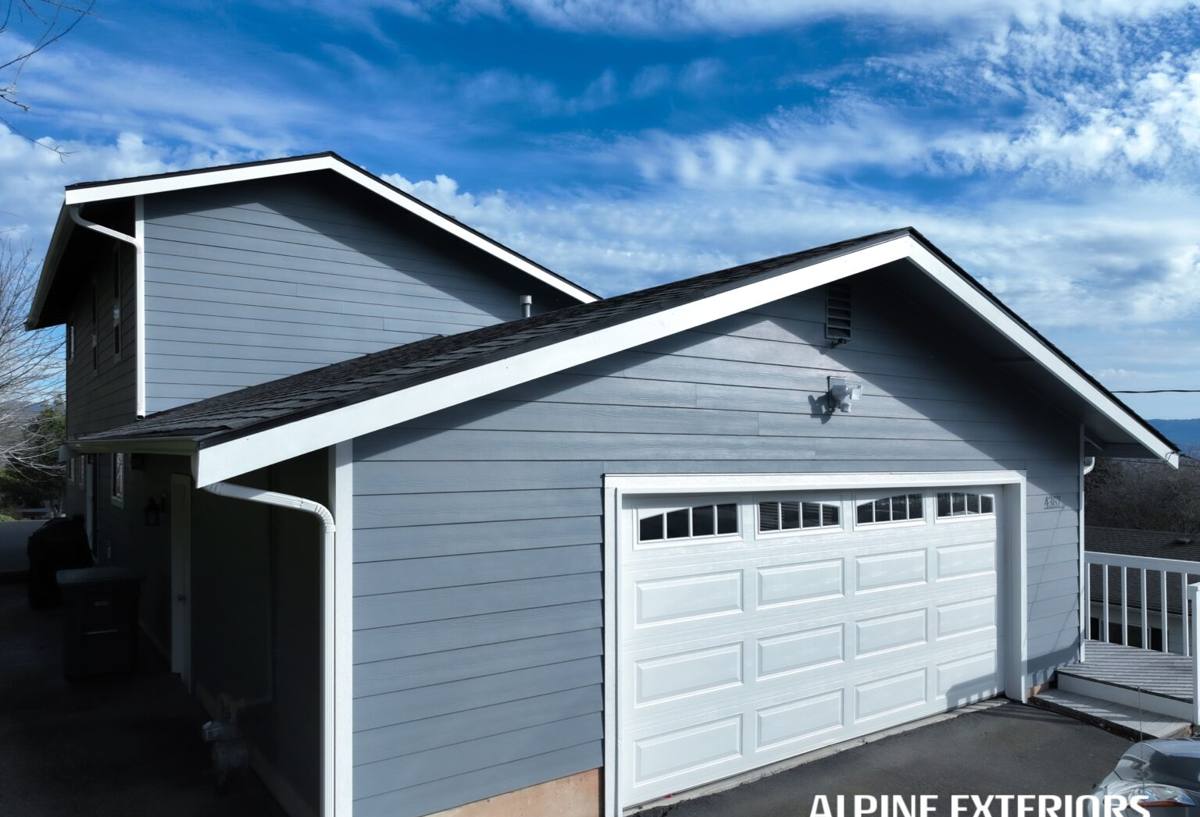
What Asphalt Shingle Roofing Needs to Handle Here
Wind Uplift and Storm Gusts
Every hurricane season, Pinellas County roofs face the possibility of sustained high winds and sudden gusts well above that. Shingles fail in wind mostly at the edges and corners first, where uplift pressure is highest, which is why fastening pattern, starter strip installation, and edge detailing matter as much as the shingle's published wind rating.
Constant UV Exposure
Florida sun is relentless on roofing materials year-round, not just in summer. UV breaks down the asphalt and the granules that protect it, so a shingle's UV resistance and granule adhesion affect how long it actually holds color and flexibility before it starts to become brittle.
Salt Air and Coastal Corrosion
Being close to the water means airborne salt reaches roofs and accelerates corrosion on exposed metal — flashing, fasteners, pipe boots, and vent caps. A roof that looks fine from the shingle field can still be failing at these metal components if lower-grade materials were used.
Wind-Driven Rain and Water Intrusion
Rain in this region rarely falls straight down during a storm. Wind pushes it sideways and up under shingle tabs and around penetrations, which is why the underlayment and flashing system underneath the shingles carries more of the actual waterproofing job than most homeowners realize.
What a Correctly Installed Shingle Roof Includes
Roof Deck Inspection
Before any new material goes down, the plywood or OSB deck underneath needs to be checked for soft spots, delamination, or rot, especially around older penetrations and valleys. Shingles installed over a compromised deck won't hold fasteners properly no matter how good the shingle is.
Underlayment as the Real Water Barrier
Shingles shed most of the water, but the underlayment is the layer that actually keeps a home dry when wind drives rain underneath them. In this climate, a synthetic or self-adhering underlayment with strong water resistance, plus reinforced protection at eaves and valleys, is worth the extra step over a bare-minimum layer.
Shingle Rating and Fastening Pattern
The wind rating printed on a shingle bundle only holds up if the fastening pattern matches the manufacturer's specification — correct nail count, placement, and a proper starter course at the eaves and rakes. This is one of the most common places we find corners cut on roofs we're asked to look at.
Flashing Details
Chimneys, skylights, sidewalls, and any roof-to-wall transitions need step flashing and counterflashing that's actually integrated with the underlayment and shingle courses, not just caulked over. Caulk is a maintenance item, not a waterproofing system.
Attic Ventilation
A hot, poorly ventilated attic bakes shingles from underneath, which shortens their life regardless of how good the installation was on top. Balanced intake and exhaust ventilation helps the whole roof assembly run cooler and last longer in Florida heat.
Shingle Options for Downtown Clearwater Homes
Not every asphalt shingle product is a good fit for a coastal Pinellas County roof. Here's how the common categories compare for this specific climate.
| Shingle Type | Typical Wind Resistance | Best Fit For | Trade-Offs |
|---|---|---|---|
| 3-Tab Shingles | Lower end of the range | Budget-driven projects, rental properties | Shorter lifespan under constant UV and coastal exposure |
| Architectural (Laminate) Shingles | Mid to upper range | Most owner-occupied Downtown Clearwater homes | Higher upfront cost than 3-tab, better long-term value here |
| Impact-Rated / High-Wind Architectural | Highest available in shingle category | Homes wanting extra storm resilience or insurance credit | Highest material cost of the three; may qualify for windstorm mitigation discounts |
For most homes in this neighborhood, architectural shingles rated for high wind strike the right balance of upfront cost and how they hold up to sun and storms over time. We'll walk through the real trade-offs for your specific roof rather than steering everyone to the same product.
Our Process, Start to Finish
- On-site inspection. We walk the roof and attic, check the deck condition where accessible, and look at flashing, vents, and edge details before recommending anything.
- Honest scope and proposal. You get a clear written scope covering materials, underlayment system, flashing work, and ventilation — not just a shingle brand and a total.
- Material staging and protection. We stage materials and protect landscaping, driveways, and gutters before tear-off begins.
- Tear-off and deck check. Old roofing comes off down to the deck, and any damaged decking is identified and addressed before new material goes down.
- Underlayment, flashing, and shingle installation. Installed in the sequence and fastening pattern the manufacturer specifies, not shortcuts to save labor time.
- Cleanup and final walkthrough. Site is cleaned, including a magnetic sweep for stray fasteners, and we walk the finished roof with you.
Signs Your Roof Is Telling You Something
Most shingle roof failures don't happen all at once — there are warning signs first. Worth checking for periodically, especially after a storm:
- Shingles that are cupping, curling at the edges, or losing granules faster than the rest of the roof
- Bald or shiny patches where granule loss has exposed the asphalt underneath
- Missing or lifted shingles, especially near ridges, edges, and valleys after high wind
- Rust streaks or visibly corroded flashing and vent caps
- Soft spots when walking the roof, or sagging visible from the ground
- Water stains on ceilings or in the attic, particularly near chimneys or skylights
- Granules collecting in gutters or at downspout outlets
Repair or Replace? What We Actually Look At
Not every issue means a full replacement. We look at the age of the roof relative to its expected service life in this climate, how widespread the damage is versus isolated to one area, whether the deck underneath is still sound, and how many prior repairs the roof has already had. A roof with isolated storm damage and a sound deck is often a legitimate repair. A roof nearing the end of its expected life with granule loss spread across multiple slopes is usually better addressed with replacement before a leak forces the decision. Total cost naturally depends on roof size, pitch, layers to remove, decking condition, and the shingle tier chosen — we'll lay out the real factors for your roof specifically rather than quoting a number before we've seen it.
Why Hiring a Crew That Already Works Downtown Clearwater Matters
A roofing crew that regularly works in this part of Pinellas County has already seen how salt air, sun, and storm wind affect roofs here, and specifies materials and details accordingly instead of applying a one-size-fits-all approach from a different climate. That familiarity also means a straighter process for permitting and inspection requirements that apply to roofing work in this area, and a crew that isn't learning the local conditions on your roof for the first time.
Keeping a New Roof Performing
A correctly installed shingle roof still benefits from basic upkeep in this climate. Keep gutters clear so water doesn't back up under the eaves, trim back overhanging branches that drop debris and hold moisture against shingles, and have the roof looked at after any significant storm rather than waiting until a leak shows up inside. A quick visual check twice a year — from the ground or by a professional — catches most issues while they're still small repairs.
If you're weighing a repair, a full replacement, or just want an honest read on where your roof currently stands, we're happy to take a look. Use the form below to request a free, no-pressure estimate for your Downtown Clearwater home.