 Clearwater Siding
 Why Palm Harbor Homes Need Windows Built for This Specific Coastline
Palm Harbor sits close enough to the Gulf that its housing stock takes on the same coastal stresses as the rest of northern Pinellas County: sustained UV exposure nearly year-round, wind-driven rain that finds its way through any gap in a window assembly, salt-laden air that accelerates corrosion on hardware and fasteners, and the real possibility of hurricane-force wind loads during storm season. Windows here aren't just an opening for light and air — they're one of the building envelope's primary defenses against water intrusion and structural wind pressure. A window that would hold up fine in a drier, calmer inland climate can fail here within a few years if it wasn't specified and installed with this coastline in mind.
"Custom" in this context doesn't just mean an unusual size or shape. It means matching the window's glass package, frame material, anchoring method, and flashing detail to the specific exposure category of that particular wall on that particular house — which can vary from one elevation to another on the same home.
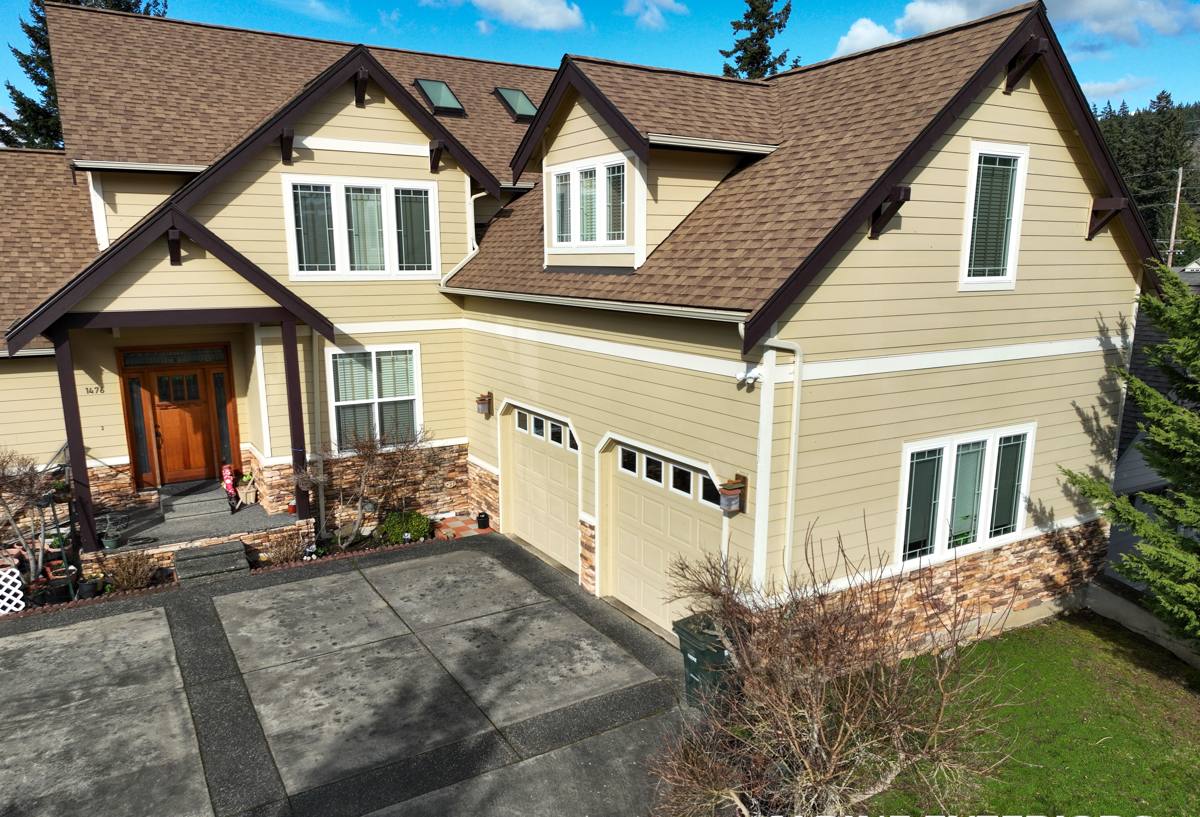
What "Custom" Actually Means for a Palm Harbor Project
Non-Standard Openings
Many Palm Harbor homes, especially older ones and those with Florida-room additions or lanai conversions, have openings that don't match current stock window sizes. Custom fabrication lets us build to the actual rough opening instead of forcing a standard size and packing the gap with trim, which is where leaks tend to start.
Shape and Style Matching
Arched transoms, picture windows paired with operable units, bay and bow configurations, and mixed sightlines across a facade all require custom sizing and, often, custom mulling (joining multiple units into one assembly) so the whole grouping performs — and looks — as one unit rather than a row of mismatched boxes.
Performance Specification by Elevation
A west-facing wall that takes the brunt of afternoon sun needs a different glass package than a shaded north wall. A wall with a long, unobstructed fetch toward open water or a wide yard needs a higher wind-pressure rating than a sheltered courtyard elevation. Custom work means we spec each opening rather than using one generic product for the whole house.
Wind Ratings, Impact Glass, and What Actually Matters
Pinellas County enforces Florida Building Code wind-borne debris and pressure requirements, and Palm Harbor properties generally fall under those same coastal provisions depending on exact location and wind zone. In practice, homeowners have a few real paths to compliance, and each comes with trade-offs worth understanding before you commit.
| Option | How It Works | Trade-Offs |
|---|---|---|
| Impact-rated laminated glass | Two glass layers bonded around an interlayer; stays intact when struck instead of shattering | Higher upfront cost; no separate storm panels to store or install; also cuts UV and outside noise |
| Standard glass + code-approved shutters/panels | Non-impact glass, protected by removable or accordion shutters during storms | Lower window cost but requires storage, deployment time, and manual labor before every storm |
| Standard glass + protective film | Film applied to existing glass to help hold shattered pieces together | Least expensive option, but performance and code acceptance are limited compared to true impact assemblies — we're upfront when this isn't a full substitute for a wind-rated window |
For most full window replacements in this area, we recommend impact-rated glass simply because it removes the "did I get the shutters up in time" variable and performs every single day, not just during a named storm — the same glass is quietly blocking UV and reducing heat gain in July.
What a Correct Installation Actually Involves
The window unit itself is maybe half the job. The other half is how it's installed, and that's where most long-term problems originate — not from the product, but from a rushed or generic install that ignores this climate's realities.
Rough Opening Prep
Before a new frame goes in, the opening gets inspected for rot, prior water damage, and out-of-square conditions. Skipping this step and installing straight over a compromised opening is one of the most common causes of early failure we see when we're called to fix someone else's work.
Flashing and Weather Barrier Integration
The flashing has to integrate with the home's existing weather-resistant barrier in the correct shingle-lap sequence — upper layers overlapping lower ones — so wind-driven rain sheds outward instead of tracking behind the siding or stucco. This detail matters more here than in drier climates because Pinellas County gets sideways rain, not just straight-down rain.
Anchoring to Meet Wind Load
Fastener type, spacing, and embedment depth are all governed by the window's tested and labeled wind-pressure rating — not guesswork. Using the wrong fastener or skipping anchor points is invisible from the outside but shows up as failure during the next major wind event.
Sealant Selection and Application
Coastal-grade sealants are formulated to resist UV breakdown and stay flexible through Florida's daily thermal cycling. Cheaper caulk hardens and cracks within a couple of years in this sun, opening a path for water.
Corrosion-Resistant Hardware
Salt air degrades ordinary steel fasteners and hinges faster than most homeowners expect. We use hardware rated for coastal exposure so locks, cranks, and anchors keep functioning instead of seizing or rusting through.
Material and Glass Options Compared
| Frame Material | Coastal Performance | Maintenance |
|---|---|---|
| Vinyl (impact-rated) | Good UV and salt resistance; won't rust or corrode | Low — occasional cleaning, no repainting |
| Aluminum (impact-rated) | Strong, slim sightlines; needs a quality coastal finish to resist corrosion | Low to moderate — check finish integrity periodically |
| Fiberglass | Very stable in heat and UV, minimal expansion/contraction | Low — durable finish, rarely needs attention |
| Wood or wood-clad | Attractive but vulnerable to moisture and humidity in this climate without diligent upkeep | Higher — regular sealing/painting; we're honest that this is a bigger commitment here than inland |
We don't push wood-frame windows for direct coastal exposure in this area — not because the product is bad, but because the maintenance burden in year-round humidity and salt air is a real trade-off homeowners deserve to know about before they buy, not after.
How Our Process Works, Start to Finish
- On-site assessment: we measure every opening individually and note sun exposure, wall orientation, and any signs of existing water damage or rot.
- Spec and quote: we recommend glass packages and frame materials by elevation, not a single blanket spec, and walk through the honest cost/performance trade-offs.
- Custom fabrication: units are built to your exact rough openings rather than a stock size, including any mulled or shaped configurations.
- Removal and opening prep: old units come out, the opening is inspected and repaired if needed before anything new goes in.
- Installation: proper flashing sequence, code-compliant anchoring, and coastal-grade sealant application.
- Final walkthrough: we test operation, check seals, and confirm everything is ready before we consider the job done.
Questions Worth Asking Any Contractor Before You Hire
- Do you pull the required Pinellas County permit for window replacement, and will you be present for inspection?
- What wind-pressure rating are you specifying for each elevation of my home, and why?
- What flashing method will you use to tie into my existing siding or stucco?
- What warranty applies to the product, and what applies separately to your labor?
- Have you installed windows elsewhere in Palm Harbor or nearby Pinellas County neighborhoods recently?
- What happens if rot or damage is found in the opening once the old window comes out?
Why Local Installation Experience Matters Here
A crew that regularly works Palm Harbor and the surrounding Clearwater area already knows the local permitting process, the typical construction of homes built in different eras across this part of Pinellas County, and which wind zones apply where. That familiarity shows up in small but consequential decisions — recognizing an older stucco assembly that needs a different flashing approach, or knowing which product lines actually hold their finish under this specific combination of sun and salt over years, not just in a showroom. It also means faster response if something needs adjustment after installation, rather than waiting on a crew that has to drive in from well outside the area.
Maintaining Custom Windows in a Salt Air Climate
Even a correctly installed, well-specified window benefits from basic upkeep in this environment. Rinse frames and hardware periodically to clear salt buildup, especially on homes closer to open water. Inspect exterior sealant lines once or twice a year for cracking or separation, since UV breakdown is faster here than in most of the country. Operate locks and cranks regularly so hardware doesn't seize, and keep weep holes clear of debris so any water that does reach the frame can drain as designed instead of pooling.
If you're weighing options for a Palm Harbor home, we're glad to walk the property, look at each opening, and put together a straightforward, no-pressure estimate — just use the form below to get started.