 Clearwater Siding
 Window Replacement Built for Countryside's Climate
Countryside is one of Clearwater's larger established residential areas, and a lot of the homes here were built during a period when window technology looked very different than it does today. Single-pane glass, thin aluminum frames, and builder-grade hardware were standard for decades in Pinellas County construction. Those windows weren't wrong for their time, but they were never engineered for what Gulf Coast weather actually delivers year after year: hurricane-force wind loads, driving rain that gets pushed sideways into the frame, UV exposure strong enough to break down seals and finishes, and salt-laden air that corrodes metal components faster than most homeowners expect.
Window replacement in Countryside isn't just a cosmetic upgrade. Done correctly, it's a structural and building-envelope decision that affects how well the rest of the house holds up during storm season, how much moisture gets into the wall cavity, and how hard the HVAC system has to work every single day. Done poorly — even with a good window product — it can create leaks and failures that show up months or years later.
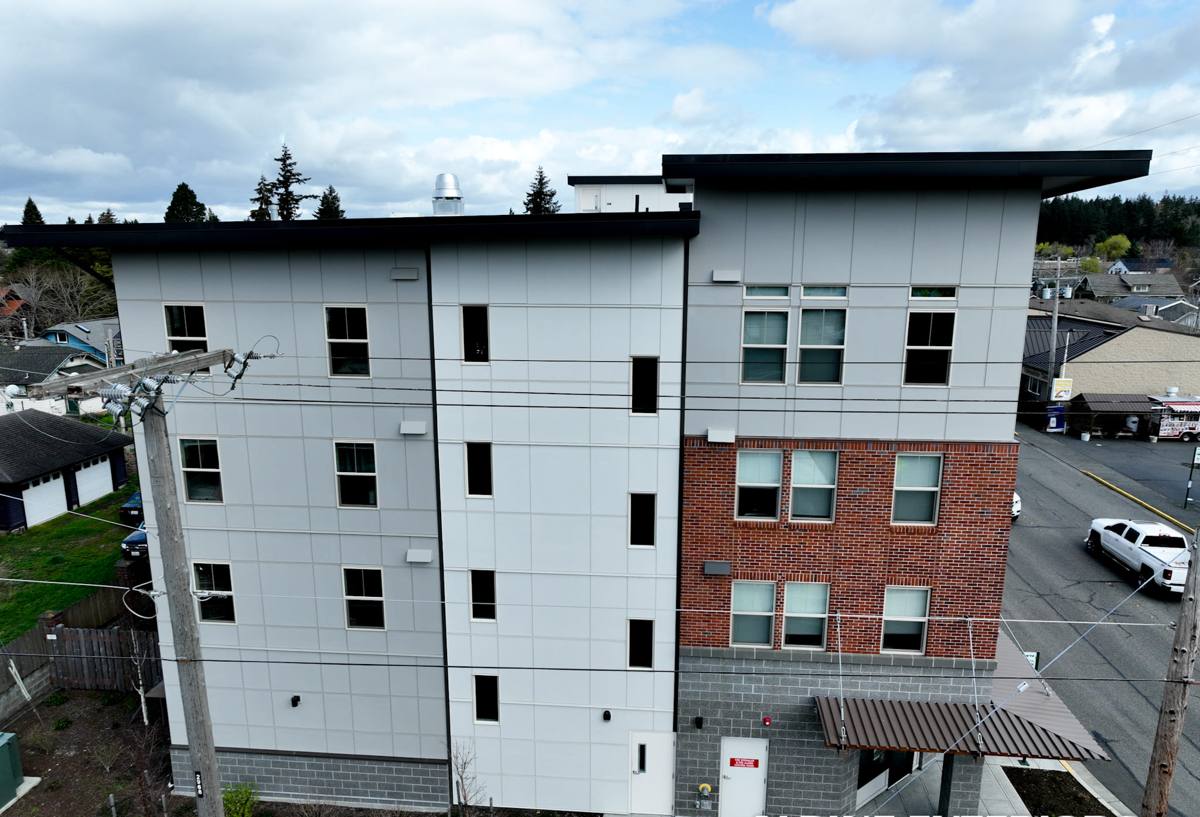
What Clearwater's Weather Actually Does to Windows
It helps to be specific about what "Florida weather" means for a window assembly, because each stressor attacks a different part of the system:
- Wind pressure and wind-borne debris: During tropical storms and hurricanes, windows face both direct wind load and the risk of impact from airborne debris. A window's rating, frame anchoring, and the wall opening it's set into all matter as much as the glass itself.
- Wind-driven rain: Rain in Pinellas County rarely falls straight down during a real storm. It gets driven horizontally into the wall, which means flashing, sealant, and the water-management details around the window opening do most of the real work — not just the window unit.
- Year-round UV: Constant sun exposure breaks down vinyl, degrades weatherstripping, and can cause seal failure in insulated glass units well before the frame itself fails.
- Salt air: Even inland from the immediate coastline, salt-laden air moving off Tampa Bay and the Gulf accelerates corrosion on hardware, screws, and unprotected metal components.
None of this means every window fails quickly — many older aluminum windows in Countryside are still functioning. It means that when a window does need replacing, the job has to account for all four of these factors at once, not just swap in a new unit and caulk around the edges.
Signs a Countryside Home Needs Window Replacement
Homeowners usually notice a problem before they can name it. Common signs we see on service calls in this area include:
- Fogging or a permanent haze between the panes of double-pane glass — a sign the seal has failed and the insulating gas has escaped
- Frames that feel soft, chalky, or pitted, especially on aluminum units that have gone uncoated for years
- Windows that are difficult to open, close, or lock — often a sign the frame has warped or the opening has shifted slightly
- Drafts or a noticeable temperature difference near the window even with it fully closed
- Water staining on the interior wall or sill after heavy rain, which points to a flashing or sealant failure rather than the glass itself
- Visibly outdated single-pane glass with no impact rating, which won't meet current wind-borne debris requirements in most of the county
What a Correct Window Replacement Job Involves
A window is only as good as its installation. We see plenty of failures in this area that trace back not to a bad product, but to a rushed or incomplete install. The parts that actually determine long-term performance are:
The Rough Opening and Substrate
Before a new window goes in, the opening needs to be checked for rot, moisture intrusion, and square. Skipping this step and installing directly over a compromised opening just seals a problem behind new trim.
Flashing and Water Management
Proper flashing directs any water that gets past the window itself back out of the wall system instead of into it. This is the single most common corner cut on lower-quality installs, and it's usually invisible until a leak shows up years later.
Sealant and Fastening
The right sealant, applied correctly, and fasteners rated for the wind zone and substrate — not just whatever was on the truck — are what keep a window anchored during a real wind event.
Interior and Exterior Finish
Trim, caulking, and paint match matter for more than appearance. A clean finish is also a sign the crew took the time to do the water-sealing details underneath correctly.
Choosing the Right Window for This Climate
Not every window sold nationally is a good fit for Gulf Coast conditions, and homeowners in Countryside have real choices to make between product types. Our approach is to explain the trade-offs honestly rather than push whatever has the best margin.
| Window Type | Wind/Impact Performance | Maintenance | Typical Trade-Off |
|---|---|---|---|
| Impact-rated vinyl | Strong; meets most Pinellas County wind-borne debris zones without added shutters | Low; won't corrode, minimal upkeep | Frame profile is slightly thicker than aluminum |
| Non-impact vinyl + shutters | Good, but requires separate storm protection to be deployed | Low on the window; shutters need periodic upkeep and manual deployment | Lower upfront cost, added step during storm prep |
| Impact-rated aluminum | Strong structurally | Higher; prone to corrosion from salt air over time without coatings | Narrower sightlines, but ongoing maintenance burden |
| Older single-pane aluminum (existing) | Does not meet current impact standards | High; seals and hardware degrade steadily | Lowest short-term cost, highest long-term risk |
For most Countryside homes, we steer people toward impact-rated vinyl as the balance of storm performance, low maintenance, and value. Aluminum still has a place for specific architectural needs, but we're upfront that it demands more upkeep in a salt-air environment — that's an honest trade-off, not a knock on the material.
Permitting and Florida Building Code
Window replacement in Clearwater and unincorporated Pinellas County is a permitted job, not an optional one. Permits exist because window openings are a structural and life-safety component of the home, especially in a wind-borne debris region. A correct process includes:
- Verifying the wind zone and design pressure requirements for the specific property
- Pulling the required permit before work begins
- Installing windows rated to meet or exceed the local wind-borne debris and pressure requirements
- Scheduling the required inspection(s) so the work is documented and closed out properly
Skipping permitting might save a few days on a project timeline, but it creates real problems later — at resale, with insurance claims, and with any future work that touches the same wall. We handle the permitting as a standard part of the job, not an upcharge.
Our Process for a Countryside Window Replacement
The process is straightforward, but every step matters:
- On-site assessment: We look at every window being replaced, the surrounding wall condition, and the home's exposure (proximity to open areas, sun orientation, existing storm protection).
- Product selection: We walk through options based on the home's actual needs and budget — not a one-size-fits-all recommendation.
- Permitting: We handle the permit application and code compliance documentation with the county or city.
- Removal and opening inspection: Old units come out carefully, and we check the rough opening for hidden moisture or rot before anything new goes in.
- Installation: Flashing, sealing, anchoring, and finish work done to code — not just to "looks fine."
- Final inspection and walkthrough: We confirm the permit inspection passes and walk the homeowner through the finished work.
What Drives Cost
Every home is different, so we don't quote blind — but these are the factors that actually move the number, ranked roughly by impact:
| Factor | Why It Matters |
|---|---|
| Impact rating vs. standard glass | Impact-rated units cost more upfront but can reduce or eliminate the need for separate storm shutters |
| Number and size of openings | Larger and more numerous windows increase material and labor directly |
| Frame material | Vinyl, aluminum, and composite options carry different price points and maintenance profiles |
| Condition of the rough opening | Hidden rot or moisture damage found during removal adds repair scope before the new window can go in |
| Trim and finish complexity | Custom trim work or matching existing architectural detail adds labor time |
We provide a written, itemized estimate before any work starts, so there's no guessing about what's included.
Why a Crew That Already Works in Countryside Matters
Every neighborhood in the Clearwater area has its own mix of home ages, construction styles, and typical problem areas. A contractor who regularly works in Countryside already has a sense of the common window types found here, the typical condition of openings in homes from this era, and how the local permitting process runs with Pinellas County and the City of Clearwater. That familiarity translates into fewer surprises during the job and a more accurate estimate from the start — instead of finding out mid-project that the scope was bigger than expected.
A Quick Checklist Before You Hire Anyone
- Are they licensed and insured to do window replacement work in Florida?
- Will they pull the required permit, or are they suggesting you skip it?
- Do they explain wind zone and impact-rating requirements specific to your address?
- Does the estimate list materials, labor, and finish work separately and clearly?
- Will they inspect the rough opening before installing, not just after removing the old unit?
- Do they offer a warranty on both the product and the installation labor?
If your Countryside home has aging windows, ongoing drafts, foggy glass, or you're simply planning ahead of the next storm season, we're happy to take a look and walk you through honest options. Fill out the form below for a free, no-pressure estimate — no obligation, just a clear picture of what your home actually needs.