 Clearwater Siding
 Decking Built for Largo's Weather, Not Just Its Looks
Largo sits close enough to the Gulf and Tampa Bay that every outdoor structure on a property takes a beating most of the country never deals with. A deck here isn't just furniture for the backyard — it's a structure that has to survive months of direct UV exposure, sudden downpours, salt-laden air moving in off the water, and the occasional tropical system with sideways rain. Composite decking has become the go-to choice for homeowners in this part of Pinellas County precisely because it holds up better than wood against that combination, but only when it's installed correctly for the conditions here, not installed the way a crew might build a deck in a drier, cooler climate.
We work Largo regularly, which means we're not guessing at what the local weather does to a deck over time — we've seen it firsthand on ledger boards, fasteners, and substructures that were fine for the first year or two and then started failing once trapped moisture and repeated UV cycles caught up with them.
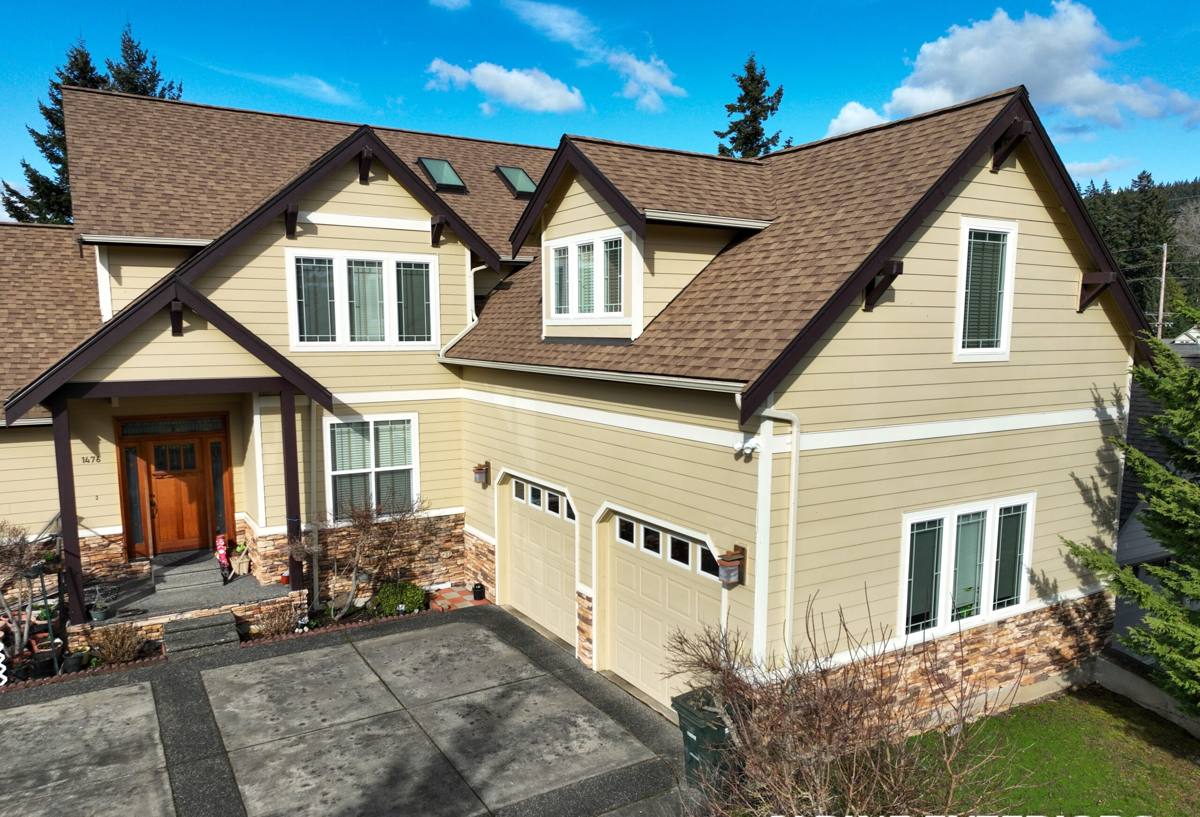
What Clearwater and Largo's Climate Actually Does to a Deck
Before getting into materials and process, it helps to understand the specific stresses a Largo deck faces:
- Intense, near year-round UV: Florida sun fades and can eventually degrade lower-quality decking surfaces and railing systems faster than in northern climates.
- Wind-driven rain: Storms here rarely fall straight down. Rain gets pushed sideways into ledger connections, stair stringers, and any gap where water can find its way behind the decking.
- Salt air: Even a few miles inland from the Gulf or Tampa Bay, airborne salt accelerates corrosion on fasteners, brackets, and any exposed metal hardware.
- Humidity and heat cycling: Constant swings between hot, humid days and cooler nights cause expansion and contraction in decking boards and structural lumber, which is why proper fastening and gapping matter more here than in drier regions.
- Hurricane-force wind exposure: Pinellas County decks need to be attached and framed with real wind load in mind, not built to minimum standards that assume calmer weather.
Any one of these on its own is manageable. Together, over years, they're what separates a deck that's still solid at year fifteen from one that's soft, discolored, or coming loose at year five.
Why Composite Decking Makes Sense for This Area
Composite decking — boards made from a blend of wood fibers and recycled plastics, capped with a protective outer layer — was designed to resist exactly the conditions listed above. It doesn't absorb water the way solid wood does, it won't splinter or rot, and it holds its color and finish far longer under direct sun than untreated or stained wood. For a Largo property that's going to see full sun exposure most of the year and periodic heavy rain, that resistance to moisture and UV is the main reason composite has become the standard recommendation over traditional lumber decking.
That said, composite isn't magic, and it isn't the right product for every situation. It's a heavier material than wood, it requires a substructure built to the manufacturer's spacing and support specifications, and cheaper composite products can still fade, stain, or scratch more than homeowners expect. Part of doing this job right is being honest about which composite lines perform well in coastal Florida conditions and which are better suited to milder climates.
Composite vs. Wood vs. PVC — How They Hold Up Locally
| Material | Moisture & Salt Air Resistance | UV/Fade Resistance | Maintenance | Typical Lifespan Here |
|---|---|---|---|---|
| Pressure-treated wood | Absorbs moisture, prone to warping/rot near coast | Fades and grays without regular sealing | Annual sealing/staining recommended | 10-15 years with upkeep |
| Composite decking | Resists moisture absorption and salt-related decay well | Capped boards resist fading much better than wood | Occasional washing, no sealing/staining | 25-30+ years, manufacturer-dependent |
| PVC decking | Fully moisture-resistant, no wood fiber to degrade | Generally strong, though color/heat retention varies | Low, similar to composite | 25-30+ years |
We'll walk through where composite makes sense versus PVC or other options based on your specific deck, budget, and how much sun and rain exposure the location gets — there's rarely a single "best" answer that applies to every yard.
What a Correct Installation Actually Involves
The decking boards themselves get most of the attention, but the parts of a deck that determine whether it lasts in this climate are mostly things you won't see once the project is finished.
Substructure and Framing
Joist spacing has to match what the specific composite product requires — composite flexes differently than wood, and under-spaced framing leads to bounce, sagging, and premature board stress. In a hurricane-prone area like Pinellas County, framing also needs hardware and bracing sized for real wind uplift, not the bare minimum.
Ledger Board and Flashing
Where the deck attaches to the house is the single most common point of failure we see on decks that weren't built for this climate. Wind-driven rain works its way behind an improperly flashed ledger board and causes hidden rot in the house's rim joist — a problem that can go unnoticed for years and become far more expensive than the deck itself. Correct flashing detail here isn't optional.
Fasteners and Hardware
Standard or lower-grade fasteners corrode faster in salt air, which can lead to streaking on composite boards and weakened connections over time. Hidden fastener systems and corrosion-resistant hardware rated for coastal use cost a little more up front and save real headaches later.
Ventilation and Drainage
Composite decking still needs airflow underneath it. Poor drainage or a low deck built too close to grade traps humidity against the joists below, which shortens the life of the substructure even if the visible boards are holding up fine.
Our Process for a Largo Composite Deck
- On-site assessment: We look at sun exposure, drainage patterns, existing structure (if it's a rebuild), and how the deck ties into the house before recommending a specific composite product.
- Product and layout selection: We go over composite lines that perform well in Gulf Coast conditions, board pattern, and railing options that fit both the house and your budget.
- Permitting: Deck projects in Pinellas County typically require permitting and inspection, especially for attached structures and railings above certain heights. We handle that process rather than leaving it to you.
- Framing and structural work: Proper joist spacing, ledger flashing, and hardware rated for coastal exposure and wind load.
- Decking, railing, and finish work: Boards installed to manufacturer spec with correct gapping for thermal movement, followed by railing, stairs, and trim.
- Final walkthrough: We go over care basics and answer questions before calling the job done.
What Affects the Cost of a Composite Deck in Largo
| Factor | Why It Matters Here |
|---|---|
| Deck size and shape | More linear footage of framing, board cuts, and fastening; complex shapes add labor |
| Composite product tier | Entry-level, mid-range, and premium capped composite lines vary significantly in fade/stain resistance |
| Height and railing needs | Elevated decks require more structural work and code-compliant railing |
| Substructure condition | Rebuilds on top of an existing frame may need repairs before new decking goes down |
| Access to the site | Backyards with limited equipment access can add labor time |
| Permitting scope | Attached decks and taller structures typically involve inspection steps that affect timeline |
We don't quote in vague ranges pulled from a national average — every estimate is based on your actual property, layout, and product choice.
Maintaining a Composite Deck in Coastal Pinellas County Conditions
One of the main reasons homeowners choose composite is lower maintenance, but "low maintenance" doesn't mean "no maintenance" in this climate. A few habits go a long way:
- Rinse the deck periodically to clear salt residue, pollen, and organic buildup before it stains the surface.
- Sweep away leaves and debris from board grooves and around railing posts where moisture can sit.
- Check railing hardware and fasteners annually for corrosion, especially closer to the water.
- Keep gutters and downspouts near the deck clear so runoff isn't dumping extra water onto or under the structure.
- Trim back landscaping that shades the same section of decking constantly, which can slow drying after rain and encourage mildew.
Why It Matters That We Work Largo Regularly
Building codes, wind load requirements, and permitting steps in Pinellas County aren't identical to a county further inland, and a crew that doesn't work this area day to day can miss details that matter — flashing requirements, ledger attachment standards, or how local inspectors expect railing and stair work to be documented. Because we're based in the Clearwater area and take on projects throughout Largo regularly, we already know what local inspections look for and what this specific stretch of coastline does to a deck over time. That local familiarity shows up in fewer surprises during permitting and a structure that's actually built for the conditions it has to survive, not a generic install.
Questions Worth Asking Any Decking Contractor Before You Hire
- Are you licensed and insured to work in Pinellas County?
- Will you pull the required permit, or is that left to me?
- What composite product lines do you recommend for coastal exposure, and why?
- How do you flash and attach the ledger board where the deck meets the house?
- What fastener and hardware grade do you use, given the salt air here?
- What's the manufacturer's warranty, and does your installation keep that warranty valid?
If a contractor can't give you clear, specific answers to those questions, that's worth noting before you sign anything.
Ready to Talk Through Your Deck Project
Every Largo property is a little different — sun exposure, existing structure, budget, and how the space will actually be used all shape what the right composite decking plan looks like. If you're weighing a new deck or replacing an aging wood one, we're glad to take a look and walk you through honest options. Use the form below to request a free, no-pressure estimate.