 Clearwater Siding
 Why Coachman Ridge Siding Wears Differently Than You'd Expect
Coachman Ridge sits in one of the more established residential pockets of Clearwater, and like most Pinellas County neighborhoods, its homes take a beating that homeowners further inland rarely deal with. It's not one big event that damages siding here — it's the accumulation of small stresses, repeated year after year. Intense UV exposure bakes painted and lower-grade siding surfaces for months at a stretch. Wind-driven rain during summer storms and tropical systems forces water sideways into seams, laps, and trim joints that were never designed to handle that kind of pressure. Salt-laden air drifting in from the Gulf accelerates corrosion on fasteners and trim, and gusty, hurricane-adjacent winds work at loose panels and fastener points until something finally gives.
None of this means your siding is doomed — it means repairs in this area have to account for conditions that a generic national "how to fix siding" article never mentions. A repair that would hold up fine in a mild, dry climate can fail again within a season or two here if it doesn't address moisture intrusion and material compatibility correctly.
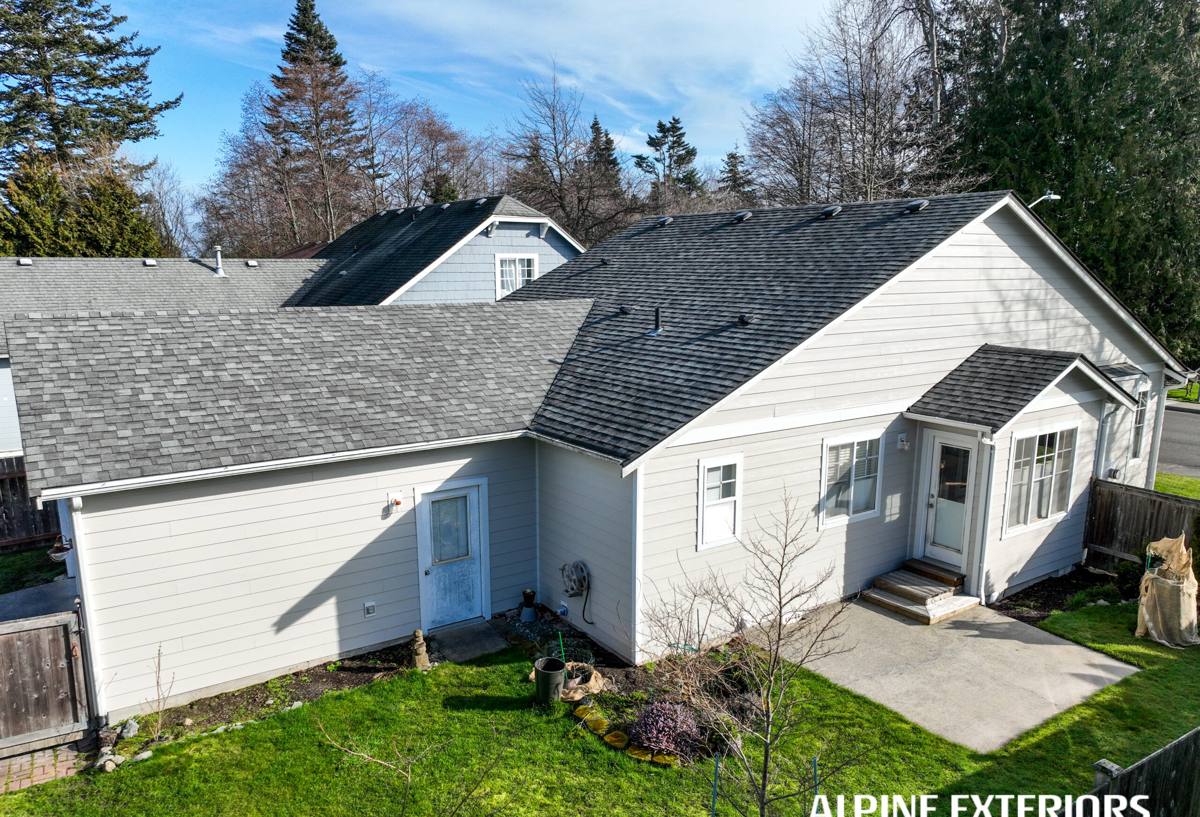
Signs Your Coachman Ridge Home Needs Siding Repair
Most siding problems don't announce themselves with a dramatic failure. They show up as small, easy-to-dismiss details that get worse the longer they're ignored, especially once wind-driven rain finds its way behind a compromised section.
- Visible cracking, splitting, or buckling in individual boards or panels
- Soft or spongy spots when you press on the siding, a sign of moisture trapped underneath
- Paint or finish that's peeling, bubbling, or chalking heavily in one area but not others
- Gaps opening up at seams, corners, or where siding meets trim, windows, or doors
- Staining or streaking that suggests water is running behind the siding rather than off of it
- Loose or popped fasteners, especially after high wind events
- Visible corrosion on nails, screws, or metal trim pieces
- A musty smell or humidity issue on an interior wall that backs up to an exterior siding section
Any one of these on its own might be minor. Several of them together, or any sign of soft or spongy material, usually means water has already gotten past the surface and into the wall assembly — which changes the scope of the repair.
What a Correct Siding Repair Actually Involves
Diagnosing the Real Cause, Not Just the Visible Damage
The visible crack or gap is rarely the whole story. A proper repair starts by figuring out why that section failed — whether it's a flashing detail that was installed wrong originally, a caulk joint that dried out and split, a fastener that backed out and let water track behind the panel, or simple UV degradation on an aging finish. Repairing the surface without addressing the underlying cause just buys you a shorter amount of time before the same spot fails again.
Checking for Hidden Moisture Damage
Once a section of siding has been open to water intrusion for a while, the sheathing, house wrap, and framing underneath need to be checked before new siding goes back on. Closing up a damaged wall assembly without confirming what's underneath is one of the most common ways a "repair" turns into a bigger problem a year later.
Matching Materials and Water Management Details
A repair also has to restore the water management system correctly — proper flashing at joints and penetrations, correct lap and overlap dimensions, and fastener patterns that match manufacturer specs. On a home with fiber cement siding, that includes using compatible trim, matching factory-finish color where possible, and following the specific installation requirements for that product line so the repaired section performs the same as the surrounding siding, not just looks similar to it.
Common Repair Mistakes We See on Older Siding Jobs
Because siding repair looks simple from the outside, it's an area where shortcuts are easy to take and hard to spot until the next storm season. A few patterns show up often enough in this climate that they're worth calling out directly:
- Caulk-only fixes. Sealing a gap or crack with caulk and calling it done, without correcting the flashing or drainage path that let water in to begin with
- Face-nailing patches. Fastening a patch piece directly over a damaged area instead of properly removing and replacing the affected board or panel
- Mismatched material. Using a different siding product, thickness, or profile for the repair than what's already on the home, which creates a new weak point at the transition
- Skipping the moisture check. Replacing the visible siding without opening the wall enough to confirm the sheathing and framing underneath are dry and sound
- Ignoring fastener corrosion. Reusing or leaving corroded fasteners in place near salt-exposed areas instead of upgrading to corrosion-resistant hardware
Every one of these can make a repair look finished on the day it's done while leaving the actual problem unresolved.
Why We Repair With James Hardie Fiber Cement — and Nothing Else
We install and repair exclusively with James Hardie fiber cement siding. That's a deliberate standard, not a limitation. Fiber cement doesn't absorb water the way wood-based or engineered-wood products can, which matters directly in a climate defined by wind-driven rain and long stretches of humidity. It's also non-combustible, holds up to UV exposure without the chalking and fading that plagues lower-grade painted products, and Hardie's ColorPlus factory finish is baked on and warrantied against fading — a real advantage when a repaired section needs to match surrounding siding that's already weathered a few Florida summers.
Hardie's HZ5 product line is specifically engineered for high-humidity, storm-prone climates like ours, with moisture and freeze-thaw performance suited to Gulf Coast conditions. When we repair a home, whether it's a full section replacement or targeted patchwork, we're able to match into the existing Hardie system correctly because we work with this product exclusively — we know its fastening requirements, its clearances, and its trim details without guesswork.
If your current siding is a different product — vinyl, LP SmartSide, primed wood, or another fiber cement brand — we'll still give you an honest assessment of what a repair involves and what your realistic options are. We just won't install anything other than James Hardie, because it's what we're willing to put our name behind.
What Affects the Scope and Cost of a Siding Repair
Every repair is different, but a few factors consistently drive how involved the work is. Understanding them helps set realistic expectations before an estimate.
| Factor | Why It Matters | Typical Impact on Scope |
|---|---|---|
| Extent of moisture intrusion behind the siding | Determines whether sheathing or framing needs repair, not just the visible boards | Moderate to significant |
| Age and fade level of existing siding | Older ColorPlus finishes may need a wider color-matched section for a seamless blend | Low to moderate |
| Number and location of affected sections | Repairs near corners, windows, and roof lines involve more flashing and trim work | Moderate |
| Condition of fasteners and trim | Salt-air corrosion often means hardware needs upgrading, not just reusing | Low |
| Accessibility of the affected area | Second-story sections, tight side yards, or areas near landscaping add labor time | Low to moderate |
We walk through each of these on-site before quoting anything, so you know exactly what's driving the scope of your specific repair.
Our Process for Coachman Ridge Siding Repairs
1. On-Site Inspection
We come out and physically inspect the affected siding, checking for soft spots, fastener condition, and signs of moisture behind the surface, not just the visible damage.
2. Honest Diagnosis
We explain what's actually causing the failure, whether that's a flashing detail, a fastener issue, aging finish, or storm damage, and what it will take to fix it correctly.
3. Material Matching
For homes already on James Hardie siding, we match profile, exposure, and finish as closely as possible so the repair blends into the existing wall. For homes on other products, we discuss what a proper transition or replacement would involve.
4. Correct Reinstallation
Repairs are installed to Hardie's fastening, clearance, and flashing specifications, not just patched into place, so the water management system actually works the way it's designed to.
5. Final Walkthrough
Before we consider the job done, we walk the repair with you so you can see exactly what was done and why.
Why It Matters That We Already Work in This Neighborhood
A siding crew that regularly works Clearwater and the surrounding Pinellas County neighborhoods already understands what this climate does to a home over time — which corners of a house tend to take the worst wind-driven rain, how quickly UV exposure fades certain finishes, and where salt air causes fastener problems first. That's not something you can fully learn from a single job. It changes how we diagnose a repair, because we're not guessing at the cause, we're recognizing a pattern we've dealt with on other homes nearby.
It also matters for practical reasons: familiarity with local permitting expectations, an understanding that many Clearwater-area communities have their own aesthetic or HOA-related guidelines worth checking before work begins, and simply being a crew that's easy to reach if a question comes up after the job is finished.
Protecting Your Siding After the Repair
A correct repair should hold up for years, but a little upkeep goes a long way in this climate. Rinse siding periodically to clear salt residue, especially on sides of the home facing prevailing winds. Keep an eye on caulked joints and trim after major storms, since wind-driven rain is the fastest way to find a new weak point. And don't ignore small issues — a hairline gap or a slightly loose fastener is a much smaller fix today than it will be after another hurricane season works on it.
If you're seeing early signs of trouble on your Coachman Ridge home's siding, or you just want a second opinion on a repair someone else quoted, we're happy to take a look. Reach out for a free, no-pressure estimate using the form below.