 Clearwater Siding
 Roof Repair in Coachman Ridge: What the Climate Does to a Roof
Coachman Ridge sits like the rest of Clearwater does — close enough to the Gulf that salt air is a constant, and squarely in the path of everything Pinellas County weather throws at a roof over the course of a year. That's a longer list than most homeowners realize until they're standing on a ladder looking at a problem up close. It isn't one big storm that wears a roof out here; it's the accumulation of a dozen smaller stresses, season after season.
Start with the sun. Florida roofs take some of the most intense, consistent UV exposure in the country, and that exposure bakes the oils and asphalt out of shingles, dries out sealant strips, and makes flashing metal and rubber boots brittle years before they'd wear out in a milder climate. Add wind-driven rain that doesn't just fall straight down but gets pushed sideways under shingle edges and around flashing, and you have a roof that's being tested from multiple directions at once, not just from above.
Then there's wind itself — not only the named storms that make the news, but the routine gusty afternoons and the occasional tropical system that puts real uplift pressure on shingle edges, ridge caps, and anything not fastened exactly to spec. And running underneath all of it, salt air slowly corrodes exposed fasteners, flashing, and metal roof panels, especially on homes closer to the water. A roof repair in Coachman Ridge has to account for all four of these factors at once, not just patch what's visibly broken.
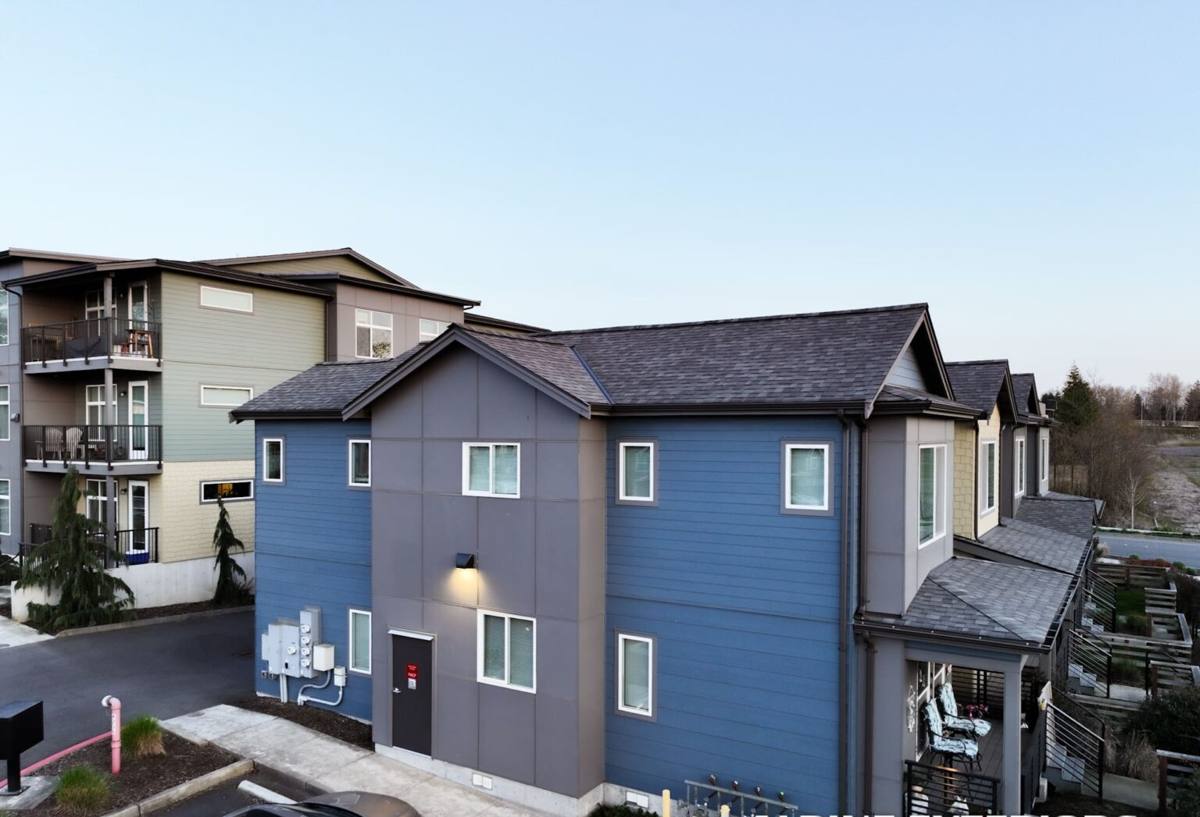
The Repairs We See Most Often in This Neighborhood
Wind-Lifted and Missing Shingles
Shingles are designed to seal to each other with an adhesive strip that activates in heat, but that seal weakens as the shingle ages and gets baked by the sun year after year. Once the seal is compromised, it doesn't take a hurricane to lift an edge — a strong afternoon gust is enough. Once one shingle lifts or goes missing, the ones around it are exposed to wind in a way they weren't designed for, and the problem tends to spread outward from that first weak point.
Flashing and Valley Leaks
Most roof leaks we're called out for aren't coming through the shingle field itself — they're coming from the metal and transition points: valleys, chimney flashing, pipe boots, wall-to-roof intersections, and skylight curbs. These are the spots where two different materials meet, and where a small gap, a cracked rubber boot, or flashing that's corroded or come loose lets water in. Wind-driven rain finds these weak points especially well, since it doesn't need gravity to push water sideways under a flashing edge.
Sun-Baked Shingle Fields
Even shingles that are still fastened down and sealed can be failing from UV exposure alone. Granule loss, curling edges, and brittle, cracking asphalt are all signs of sun damage that reduce a roof's ability to shed water and protect the deck underneath, even before any single shingle actually fails. This kind of wear tends to show up first on south- and west-facing slopes, which take the most direct afternoon sun.
Soffit, Fascia, and Attic Ventilation Issues
A roof that leaks or traps heat and moisture in the attic often has a ventilation problem, not just a shingle problem. Damaged soffit panels, blocked ridge vents, or fascia rotted from years of moisture exposure let heat build up under the deck, which accelerates shingle aging from underneath, and can also give pests and moisture a way into the attic. Repairing the leak without addressing the ventilation around it is a partial fix.
Signs Your Roof Needs Attention
Most roof problems give some warning before they turn into an active leak. Worth checking for, from the ground or from inside the attic:
- Shingles that look curled, cupped, or are missing granules in patches
- Dark streaks, or a shiny, bald-looking patch where granules have worn away
- Missing or visibly lifted shingles after a windy day or storm
- Soft spots, sagging, or a spongy feel anywhere on the roof deck
- Water stains on interior ceilings or in the attic, even faint ones
- Daylight visible through the roof deck when viewed from inside the attic
- Rusted, cracked, or lifted flashing around chimneys, vents, or skylights
- Granules collecting in gutters or at downspout outlets
- Musty odor in the attic, which can point to trapped moisture
None of these on their own means a full roof replacement is coming. But they're all reasons to get a repair looked at before the next heavy rain or wind event turns a small issue into water damage inside the home.
What a Correct Roof Repair Actually Involves
Diagnosing the Real Cause, Not Just the Symptom
An interior ceiling stain rarely sits directly under the roof problem causing it — water travels along the deck and framing before it shows up inside, sometimes several feet from where it actually entered. A repair that just patches the spot above the stain without tracing the water's actual path is a repair that's likely to fail again. Correct diagnosis means getting on the roof, checking flashing, valleys, and penetrations near the affected area, and sometimes checking the attic from inside to see where water is actually tracking.
Matching Materials the Right Way
Shingle color and profile change between manufacturing runs, so a repair patch on an older roof rarely matches perfectly — but a competent repair minimizes the mismatch by sourcing close matches and placing new shingles where the transition is least visible, rather than in the middle of a highly visible slope. For flashing and underlayment, the fix isn't to reuse degraded material to save a step; it's to replace flashing and boots that have gone brittle or corroded, since reusing failing material just resets the clock on the same leak.
Getting the Waterproofing Details Right
A roof repair is only as good as the details most homeowners never see: how shingles are woven or lapped at a valley, how much flashing overlap is used at a wall transition, whether a pipe boot is sealed correctly around its full circumference, and whether underlayment is properly lapped so water sheds downhill at every seam. These details take a little more time to do correctly, and they're exactly the corners that get cut on a rushed repair.
Repair or Replace? How We Help You Decide
Not every roof problem calls for a repair, and not every roof problem calls for full replacement either. We look at the age, condition, and extent of the damage before recommending either, and we'd rather tell a homeowner honestly that a repair will hold than upsell a replacement that isn't needed yet.
| Factor | Repair Usually Makes Sense | Replacement Is Worth Discussing |
|---|---|---|
| Roof age | Well within its expected service life | Nearing or past the end of its typical lifespan |
| Extent of damage | Isolated to a small area or single cause | Widespread wear across multiple slopes |
| Shingle condition nearby | Surrounding shingles are still sound and flexible | Surrounding shingles are brittle or losing granules broadly |
| Deck condition | Deck is solid where inspected | Soft, rotted, or water-damaged decking found |
| Leak history | First or isolated occurrence | Recurring leaks in different spots over time |
Where it's genuinely close, we'll say so and lay out both options with honest cost and longevity trade-offs, rather than steering the decision one way.
Our Process for Coachman Ridge Roof Repairs
- Inspection. We get on the roof and in the attic where needed, tracing the actual source of the problem rather than just the visible symptom.
- Written estimate. A clear explanation of what's wrong, what we recommend, and what it costs — no vague line items.
- Material matching. We source shingles, flashing, and underlayment that match your existing roof as closely as possible.
- The repair itself. Proper tear-out of the damaged area, replacement of any compromised decking, correct flashing and underlayment work, and shingle installation to manufacturer spec.
- Cleanup and check. Job site cleared of debris and nails, and a final check that the repair area sheds water correctly.
Why a Crew That Already Works Coachman Ridge Matters
Roofing crews that work a neighborhood regularly build a working knowledge of what its homes tend to have — common roof ages, typical construction from the era most of the area was built, and the specific ways Pinellas County's coastal climate wears on those roofs. That familiarity shows up in faster, more accurate diagnosis, because the crew has already seen the same flashing detail or the same wind-exposure pattern fail on other roofs nearby.
It also matters for response time. A roof leak found during or right after a storm isn't something that benefits from a contractor who has to drive across the county and hasn't worked in the area before. Being established locally means we can typically get a crew out faster when weather has just done damage, which is exactly when timing matters most for keeping a small leak from becoming a bigger interior repair.
Roofing Materials We Repair
Coachman Ridge homes are roofed with a mix of materials — asphalt shingle is the most common, but we also repair tile and low-slope or flat sections found on additions, porches, and some home styles in the area. Each material has its own repair logic: shingle repairs are largely about the shingle field, flashing, and underlayment discussed above; tile repairs involve carefully lifting and resetting tiles without cracking surrounding ones and checking the underlayment beneath, which is often the part actually doing the waterproofing work; low-slope and flat sections rely on membrane or built-up systems where seams and flashing details matter even more, since there's little slope to help shed water on its own.
Whatever the material, our standard is the same: repair with materials and methods that match the system already on the roof, don't cut corners on flashing or waterproofing details because they're hidden once the job is done, and be straightforward about when a section has moved past the point where repair is the honest recommendation.
Get a Free, No-Pressure Estimate
If you're dealing with a leak, storm damage, or just want a roof in Coachman Ridge looked at before it becomes a bigger problem, we're happy to come take a look and give you a straight answer — no pressure, and no charge for the estimate. Fill out the form below and we'll get back to you to schedule a time.