 Clearwater Siding
 Why Coachman Ridge Homeowners Are Looking at Metal Roofing
Coachman Ridge sits in a part of Clearwater where the housing stock spans several decades — plenty of homes are due for a second or third roof replacement, and a growing number of owners are skipping asphalt shingles altogether and going straight to metal. The reasons aren't complicated. Metal roofing lasts far longer than shingles, handles wind uplift better when installed correctly, and doesn't lose its granules and curl at the edges the way aging asphalt does under constant Gulf Coast sun. For a neighborhood like this, where homes see real hurricane exposure and long stretches of intense UV between storms, that durability difference shows up in fewer repairs and a lot less worry every June through November.
This page is specifically about metal roofing for Coachman Ridge properties — not a general overview of every roofing product we offer. If you're comparing options for a home in this area, here's what actually matters.
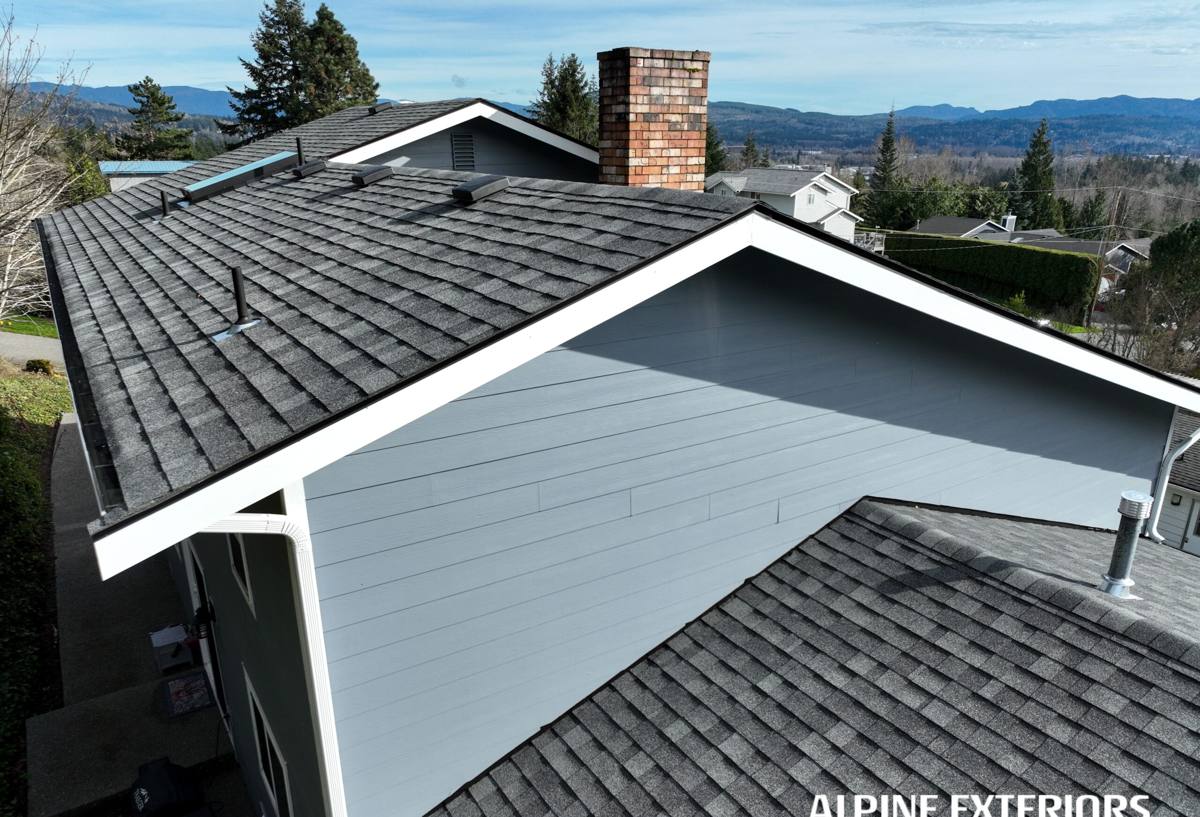
What Clearwater's Climate Actually Does to a Roof
Pinellas County roofs don't fail from one dramatic event most of the time — they fail from years of cumulative stress that homeowners never see happening. Four factors drive that wear locally:
Hurricane-Force Wind
Even a season without a direct hit still brings tropical-storm-force gusts, squall lines, and the occasional near-miss with sustained high winds. Roofs here need to resist uplift at the edges and corners, where wind pressure concentrates and where most metal roof failures actually start — not in the field of the roof, but at the perimeter fastening and trim.
Year-Round UV Exposure
Florida sun is intense for most of the calendar year, not just in summer. UV breaks down sealants, coatings, and fastener gaskets over time. A metal roof with a quality baked-on finish resists this well; cheap paint systems chalk and fade faster than homeowners expect.
Wind-Driven Rain
Rain that comes in sideways during a storm doesn't behave like rain falling straight down. It gets pushed under lapped seams, around penetrations, and into any gap in flashing that would otherwise be fine in normal weather. This is why underlayment and flashing detail matter as much as the metal panels themselves.
Salt Air
Clearwater's proximity to the Gulf means airborne salt is a constant, even well inland from the immediate coastline. Salt accelerates corrosion on lower-grade fasteners, exposed cut edges, and dissimilar-metal contact points. It's a slow process, but it's relentless, and it's a big part of why metal choice and installation detail matter more here than they would in a dry inland climate.
Metal Roofing Options for Coachman Ridge Homes
Not every metal roofing product performs the same way in this climate. The table below covers the systems we most commonly recommend, and where each one fits.
| System | How It's Fastened | Best Fit | Trade-Offs |
|---|---|---|---|
| Standing seam | Concealed clips, no exposed fasteners on the field | Homes wanting maximum wind and leak resistance, longest service life | Higher upfront cost than exposed-fastener systems |
| Exposed-fastener panel | Screws driven through the panel face into the deck | Budget-conscious projects, outbuildings, some roof pitches | Fasteners need periodic inspection and eventual re-torque or replacement |
| Metal shingle / tile profile | Interlocking panels, concealed or minimal fastener exposure | Homeowners who want a metal roof's durability with a traditional shingle or tile look | More seams and detail work than standing seam, so installation quality matters even more |
For most Coachman Ridge homes, we lean toward standing seam because the concealed-fastener design gives the best long-term resistance to both wind uplift and the slow fastener corrosion that salt air causes. That said, roof pitch, budget, and the look you want for the house all factor into the right call — this isn't a one-size-fits-all decision, and we'll walk through the honest trade-offs for your specific roof.
What a Correct Metal Roof Installation Actually Involves
Metal roofing is unforgiving of shortcuts in a way asphalt shingles often aren't. A shingle roof with a mediocre install might still perform adequately for years; a metal roof with the same shortcuts will leak or fail early, usually right where you can't see it. Here's what has to happen correctly, in order:
Deck Inspection and Repair
Every deck board gets checked before anything goes on top. Soft, rotted, or delaminated decking gets replaced — covering a bad deck with new metal just hides the problem and creates a fastening surface that won't hold.
Underlayment
A synthetic or self-adhering underlayment goes down as the roof's real waterproofing layer. The metal above is the primary weather shield, but the underlayment is what protects the home if wind-driven rain ever gets past a seam or penetration — which, in a storm, it eventually will somewhere on any roof.
Fastening and Clip Spacing
Fastener or clip spacing isn't a fixed number — it's calculated based on the panel profile, roof pitch, and the wind exposure for the specific home. Perimeter and corner zones need tighter spacing than the field of the roof, because that's where uplift pressure is highest in a wind event.
Flashing and Penetration Detail
Valleys, wall transitions, vent pipes, and chimney penetrations are where the vast majority of roof leaks actually originate — almost never in the open field of properly installed panels. Correct flashing here takes more time and skill than the panel installation itself.
Ventilation
A metal roof needs a functioning intake and exhaust ventilation path to manage heat and moisture in the attic. Skipping this doesn't cause an immediate problem, but it shortens the life of the decking and can void portions of a manufacturer's warranty.
Our Process for a Coachman Ridge Metal Roof
We keep the process straightforward and communicate at each stage, so there are no surprises mid-project:
- On-site inspection and measurement, including a look at the current deck condition from the attic side where accessible
- Written estimate covering panel system, underlayment, flashing, and ventilation — no vague allowances
- Permit pulled with the City of Clearwater or Pinellas County as applicable, before work starts
- Tear-off and deck repair, with any rot addressed and documented before covering it
- Underlayment, flashing, and panel installation in sequence, following manufacturer fastening specs for the wind zone
- Final walkthrough and cleanup, including a magnetic sweep for stray fasteners in the yard
Cost Factors for a Coachman Ridge Metal Roof
Metal roofing costs more upfront than asphalt shingles — that's a fair trade-off most owners make consciously, given the lifespan difference. What actually moves the price on a given home is usually one of these factors:
| Factor | Why It Matters |
|---|---|
| Panel system chosen | Standing seam runs higher than exposed-fastener panel or metal shingle profiles |
| Roof complexity | Valleys, dormers, and multiple pitches add flashing labor beyond a simple gable roof |
| Deck condition | Rotted or delaminated decking found during tear-off adds repair cost not visible in a pre-tear-off estimate |
| Existing layers | Removing old shingle layers versus a single-layer tear-off changes labor and disposal cost |
| Ventilation upgrades | Adding proper intake/exhaust venting where a home currently has little or none |
We give a written estimate before any work starts, and we flag likely deck-repair risk during the initial inspection rather than letting it surprise you after tear-off.
Maintenance and Long-Term Performance in Salt Air
Metal roofing is low-maintenance, not no-maintenance. In a salt-air environment like Clearwater's, a couple of habits go a long way:
- Rinse accumulated salt and debris off the roof periodically, especially on homes with more direct coastal exposure
- Keep gutters and valleys clear so water doesn't pond against seams or fasteners
- After any major storm, do a visual check for lifted trim, loose fasteners, or debris impact
- Have fastener condition checked on exposed-fastener systems every few years, since gaskets and screw heads are the first thing salt air affects
A well-installed, properly finished metal roof in this climate is realistically a multi-decade investment. The finish coating and fastener quality matter as much as the base metal for hitting that lifespan — this is one area where it genuinely doesn't pay to cut cost on materials.
Permits, Wind Ratings, and Insurance Considerations
Roofing work in Clearwater and unincorporated Pinellas County requires a permit, and metal roofing installations have to meet Florida Building Code wind-load requirements for the local wind zone. This isn't paperwork for its own sake — the fastening pattern and product approval documentation are what an inspector checks against, and what your insurer may ask for later.
A correctly installed, code-compliant metal roof can also qualify a home for wind mitigation credits on homeowners insurance in Florida. We provide the documentation homeowners need for that process, but we'd recommend confirming the specific credit and discount with your insurance agent, since that's determined by your carrier, not by us.
Why a Crew That Already Works Coachman Ridge Matters
Roofing crews that work all over the state without a real local presence tend to treat every job as identical. A crew that regularly works Coachman Ridge and the surrounding Clearwater neighborhoods knows the general age and construction patterns of homes in this part of Pinellas County, what permitting looks like locally, and what wind exposure actually looks like on this side of the county versus more sheltered inland areas. That familiarity shows up in a more accurate estimate the first time, fewer surprises during tear-off, and a crew that's still reachable locally if you ever have a question after the job is done.
If you're weighing a metal roof for a Coachman Ridge home, we're glad to walk the roof, give you a straight answer on what it needs, and put together a written, no-pressure estimate — use the form below to get started.