 Clearwater Siding
 Why Clearwater Beach Windows Live a Harder Life Than Most
A house three miles inland deals with Florida weather. A house on Clearwater Beach deals with Florida weather plus salt air, near-constant wind loading off the Gulf, and reflected sun bouncing off water and white sand for most of the day. Windows out here don't fail because they were bad windows — they fail because they were installed as if they were going into a standard suburban Pinellas County home, and the environment found every weak point within a few years instead of a couple decades.
Custom windows on a barrier island property aren't a luxury upgrade. They're the correct response to three things happening at once: hurricane-force wind events that put real pressure on glass and frames, UV exposure strong enough to degrade seals and finishes faster than inland, and salt-laden air that corrodes hardware and pits untreated metal. Add wind-driven rain that gets pushed sideways and up under poorly flashed openings, and you have an environment that punishes shortcuts.
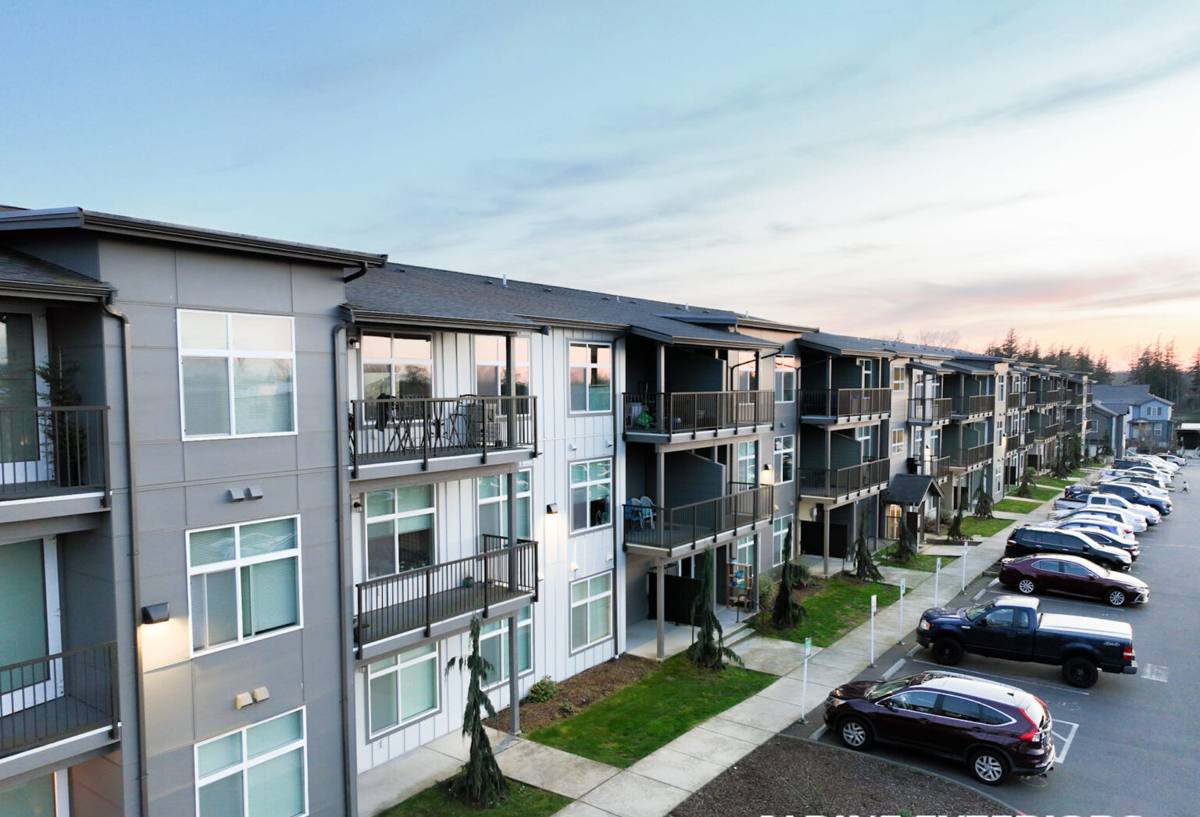
What "Custom" Actually Means Out Here
"Custom" gets used loosely in this industry. On a beach property it should mean something specific: windows sized and engineered for the actual openings in your home (not the nearest stock size with shims and extra caulk), matched to the correct impact and pressure rating for a coastal wind zone, and detailed at the frame and sill to handle water that standard installation guides assume you won't see as often as you actually will here.
That includes:
- Openings measured and engineered for your specific structure, not generic stock sizing
- Impact-rated glass and frame assemblies rated for coastal wind pressures
- Sill pans and flashing detailed for wind-driven rain, not just vertical rainfall
- Hardware and fasteners chosen to resist salt-air corrosion, not standard-grade steel
- Finish and glazing that account for near-constant, high-intensity UV exposure
Impact Ratings and Code Requirements You Should Understand
Pinellas County sits within Florida's wind-borne debris region, which means most homes here need either impact-rated windows or an approved protection system (like code-compliant shutters) at exposed openings — this applies whether you're a block away from the water or set back further inland. Clearwater Beach properties, being directly exposed to Gulf-driven wind and storm surge risk, generally warrant treating every opening as if it will see the highest wind loads your specific structure is likely to face.
The rating that matters is tied to the product's actual tested performance — its Florida Product Approval or Miami-Dade Notice of Acceptance, the design pressure it's rated for, and how that pressure rating lines up with your home's height, exposure, and location on the island. A window that's correctly rated for a similar house a half-mile inland may not be the right spec for a beachfront unit with less shielding from surrounding structures. This is exactly why we pull actual measurements and wind-load information for your address rather than reusing a generic spec sheet.
Permitting matters too. Window replacement on a coastal property typically requires a permit and inspection through the local building department, and skipping that step can create real problems later — at resale, with insurance claims after a storm, or if work needs to be verified for a future project. A contractor who pulls permits as a matter of course, rather than treating it as optional, is protecting you as much as themselves.
Frame Material Trade-Offs for a Beach Environment
| Material | Salt-air performance | Maintenance | Typical trade-off |
|---|---|---|---|
| Impact-rated vinyl | Good — won't corrode | Low | Can soften/discolor under extreme sustained UV over many years if lower-grade |
| Aluminum (coastal-grade, coated) | Good if properly finished; raw aluminum pits | Moderate — finish needs to stay intact | Higher upfront cost; excellent strength-to-frame-size ratio |
| Fiberglass | Very good — dimensionally stable, corrosion-resistant | Low | Higher material cost; fewer stock color/size options |
| Wood-clad | Poor without meticulous maintenance | High | We generally steer clients away from this near open Gulf exposure |
We're upfront when a material isn't a fit for a specific exposure. That's not a knock on any manufacturer — it's about matching material to environment. A wood-clad window can be a fine choice a mile inland; it's a maintenance headache thirty yards from salt spray, and we'll tell you that before you spend the money.
Installation Details That Decide Whether the Window Lasts
The window unit itself is maybe half the equation. The other half is how it's installed, and this is where a lot of coastal window failures actually originate — not in the product, but in the opening prep.
What a correct installation includes:
- Removing old windows without damaging the surrounding rough opening or stucco/siding
- Inspecting the opening for hidden water damage or rot before anything new goes in
- Installing a proper sill pan and flashing sequence so water that gets past the window sheds outward, not into the wall
- Using fasteners and anchoring rated for the wind pressure the window is designed to handle — the correct fastener spec is useless if it's not actually followed
- Sealing with a sealant system suited to sustained UV and salt exposure, applied in the correct sequence (not just a bead of caulk around the trim)
- Final inspection and testing before the job is called complete
Skip any one of these and you can end up with a correctly rated, correctly manufactured window that still leaks or underperforms in a storm — because the opening around it wasn't prepared for the conditions it's now facing.
Our Process
We start with an on-site visit and honest assessment — what your current windows are actually doing, what's driving the need for replacement, and what your home's specific exposure calls for. From there:
- Measure and assess — precise measurements of each opening, plus a look at the surrounding wall condition and existing flashing
- Spec the right product — impact rating, frame material, and glass package matched to your exposure and budget, explained in plain terms
- Permit — we handle the permitting process with the local building department so the paperwork isn't on you
- Install — removal, opening prep, correct flashing and sealing, and anchoring to the specified wind-load rating
- Inspect and walk through — we confirm the finished work with you and make sure the final inspection is scheduled and passed
Signs Your Current Windows Are Already Behind the Curve
Coastal deterioration is often gradual, so it's easy to miss until it's a bigger repair than it needed to be. Watch for:
- Hardware (latches, hinges, cranks) that's pitted, stiff, or visibly corroded
- Fogging or condensation between panes on double-glazed units — a sign the seal has failed
- Soft or discolored trim, drywall, or sill areas near the window after rain
- Visible daylight or drafts around the frame when the window is closed
- Difficulty opening, closing, or locking that wasn't there a few years ago
- Chalking, cracking, or fading finish on the frame itself
Any one of these on its own might be minor. Several at once, especially on a Gulf-facing wall, usually means the window's protective systems (seals, finish, hardware coating) are wearing out faster than the glass and frame — and that replacement will be cheaper now than after a storm finds the weak point for you.
What Affects the Cost
Custom window pricing on Clearwater Beach varies more than it does inland, mostly because exposure and structure type vary more. Broadly, expect cost to move with:
| Factor | Why it matters |
|---|---|
| Impact rating / design pressure required | Higher-rated glass and frame assemblies cost more to manufacture and test |
| Frame material | Fiberglass and coastal-grade aluminum generally cost more than standard vinyl |
| Opening condition | Hidden rot or water damage found during removal adds repair scope before install |
| Number and size of openings | Larger or unusual sizes may require custom fabrication rather than stock units |
| Floor/exposure | Units higher up or with less shielding from surrounding structures may need higher pressure ratings |
We'd rather walk you through these factors on-site and give you real numbers for your home than throw out a broad range that doesn't mean much for your specific property.
Why Local, Beach-Experienced Installation Matters
A crew that mostly works inland Pinellas County jobs isn't wrong about windows in general — they just haven't spent years dealing with what salt air does to fasteners, how wind-driven rain behaves differently on an exposed Gulf-facing wall, or which frame finishes actually hold up out here versus which ones look fine in the showroom and chalk out within a few years. That kind of judgment comes from doing this work specifically on Clearwater Beach and similar barrier-island properties, not from a general contracting background applied to a coastal address.
It also means we already understand the permitting and inspection expectations that come with coastal wind zone work in this county, so there are no surprises mid-project. If you're comparing contractors, ask directly how many of their recent jobs were on the beach or similarly exposed coastal properties versus standard inland homes — that answer tells you more than any brochure.
If you'd like a straight assessment of what your home actually needs, we're glad to come take a look. Fill out the form below for a free, no-pressure estimate — no obligation, just an honest read on your windows and what it would take to get them right.