 Clearwater Siding
 Belleair sits along Pinellas County's Intracoastal side, just south of Clearwater, and it's a quieter, more established community than a lot of what surrounds it — older homes under heavy tree canopy sitting a few streets from renovated properties and newer custom builds closer to the water. That mix changes what a "window installation" job actually involves. A house built decades ago usually has openings, framing, and code history that a newer build doesn't, and getting the new windows in correctly means dealing honestly with what's behind the old trim, not just ordering units to fit a tape measurement. Add in that homes closer to open water in this part of the county can fall inside Pinellas County's wind-borne debris region, and a window installation here is rarely a simple swap.
Why Belleair's Housing Stock Changes the Job
Two things push window installation in Belleair away from a purely cosmetic upgrade. First, age and variety — this community has a real mix of construction eras, from older block homes with original single-pane or early-generation aluminum windows to renovated and newer builds with more current glass and framing. Older openings are frequently out of square, sized to standards that predate current code, or sitting on framing and sill conditions that need attention before a new window goes in. Second, exposure and code — depending on how close a given address sits to open water, Belleair homes can fall inside Pinellas County's wind-borne debris requirements, which affects what impact rating and attachment method the new windows need to meet, regardless of how the old ones were installed.
Neither of those is a reason to put off replacing tired, drafty, or failing windows. It just means the job starts with an honest look at the actual opening and the home's actual exposure, not a generic order form.
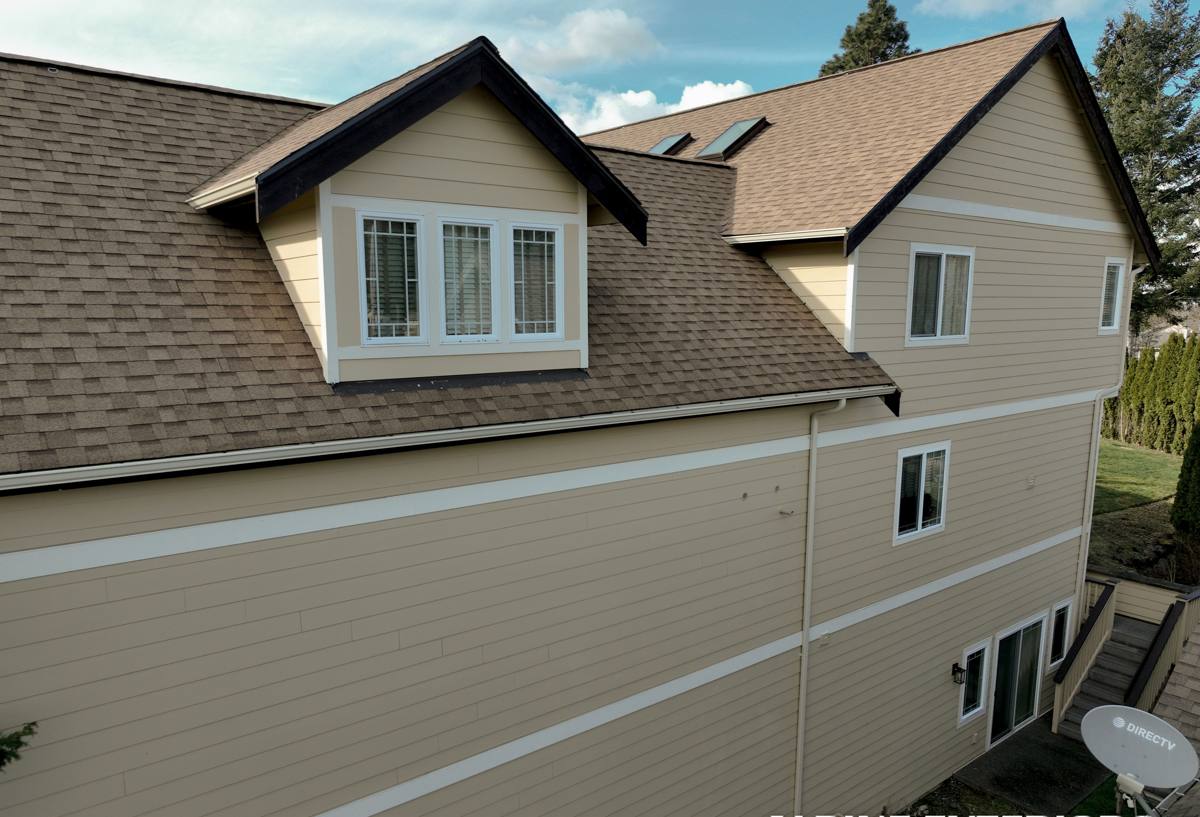
What the Climate Actually Does to Windows Here
Clearwater and the surrounding Pinellas County coastline put a specific combination of stress on windows that inland markets don't see at the same intensity. Hurricane-force wind events load glass and framing directly, and that load is carried by the anchoring and the frame, not just the glass — which is exactly why attachment quality matters as much as the glass package itself. Year-round, intense UV breaks down lower-grade vinyl, weatherstripping, and sealants faster here than in a milder climate, showing up as yellowing, brittle gaskets, and seals that give out well before they should. Wind-driven rain, both during named storms and during ordinary Florida squalls, pushes water sideways into wall assemblies and finds any weak point in the flashing. And salt air moving inland off the Gulf and the Intracoastal steadily corrodes hardware, fasteners, and screen frames — a slow process that never really stops, even on homes set back from the immediate waterfront.
On an older Belleair window, those forces usually show up as more than one problem at once: a frame that's chalky and brittle from UV, hardware that's stiff or corroded from salt exposure, and a sash that no longer seals tight enough to keep wind-driven rain out during a storm. By the time all three are present, replacement is almost always more practical than continued repair.
Where Problems Actually Start
It's rarely the glass that fails first. It's the seams — where the frame meets the wall, where old sealant has cracked and let water track behind the trim, where corroded hardware lets a sash sag out of true and stop sealing correctly. Those are the spots that decide whether a window installation holds up through hurricane season after hurricane season, or starts leaking and drafting again within a few years.
Window Installation Situations We See in Belleair
- Full-home replacement of aging single-pane or early aluminum windows — common in Belleair's older block homes, usually driven by drafts, condensation, or visible seal failure
- Foggy or failed dual-pane units — the seal between panes has broken down and moisture is trapped between the glass, which isn't repairable and means replacing the sash or the unit
- Upgrading to impact-rated windows — homeowners choosing to remove the need for storm shutters or plywood before every named storm
- Matching openings in older construction — non-standard sizes or out-of-square framing that predates current window sizing conventions
- Egress and code-driven replacements — bedrooms or additions where current code sets a minimum opening size that older windows don't meet
- Renovation and addition installs — new openings that need to match the sightlines and proportions of the rest of the house
What a Correct Window Installation Job Involves
Assessment and Opening Prep
We start by field-measuring the actual opening rather than working from assumptions, and we check the condition of the framing and sill underneath the old window. On older Belleair homes, this step is where we most often find rot, prior water intrusion, or framing that's out of square — issues that need to be addressed before a new window goes in, not discovered after.
Removal Without Damaging the Surrounding Wall
Pulling an old window out cleanly matters more than it sounds like it should. Rushed removal can crack stucco, tear interior drywall, or damage trim that then needs repair — extra cost and delay that a careful removal avoids. We also use removal as a second check on the wall assembly behind the old unit, since that's the only point in the job where it's fully exposed.
Flashing and Weatherproofing
This is the step that decides whether the new window actually keeps wind-driven rain out. Flashing has to be sequenced correctly around the opening — lapped so water sheds outward and down, never trapped behind the trim where it can sit against framing. We build this around the specific opening and wall type rather than applying one generic method to every house.
Sealing, Insulation, and Finish
Once the unit is set and anchored, the gap between the frame and the rough opening gets insulated and sealed correctly — not overpacked, not left with gaps. Exterior sealant joints and trim are finished to hold up to constant UV and salt exposure, since a sealant joint that fails in year two undoes the rest of the work.
Quick Checklist Before You Hire
- Confirm the installer is field-measuring your actual openings, not quoting from a phone description
- Ask whether your specific address falls in Pinellas County's wind-borne debris region and what that means for the units you need
- Get the flashing and weatherproofing approach explained in plain terms, not just "we seal it"
- Ask how they handle rot or framing issues found once the old window is out, and how that affects price
- Confirm hardware and fasteners are rated for coastal, salt-air exposure
- Get separate warranty terms in writing for the window unit itself and for the installation labor
Our Process, Start to Finish
- On-site assessment — we measure every opening, check framing and sill condition, and evaluate wind exposure for your specific address
- Honest recommendation — standard replacement, impact-rated upgrade, or opening repair first, with the reasoning explained plainly
- Ordering and lead time — a realistic timeline, especially for impact-rated or non-standard sizes that are built to order
- Careful removal — old units come out without damaging surrounding stucco, drywall, or trim, and we address anything found underneath
- Installation and anchoring — new units set and anchored to meet the wind load requirements for their size and your home's exposure
- Flashing, sealing, and finish — weatherproofing detailed for the opening, then trimmed to match the rest of the house
Costs and Trade-Offs
| Factor | What Changes the Price |
|---|---|
| Impact-rated vs. standard glass | Impact-rated units cost more upfront but remove the need for shutters or plywood before storms |
| Opening condition | Rot, prior water damage, or out-of-square framing in older homes adds repair work before the new unit goes in |
| Frame material | Vinyl and fiberglass generally need less long-term maintenance in salt air than an all-wood exterior finish |
| Number of windows | A full-home replacement typically has better per-unit economics than replacing one or two windows at a time |
| Size and configuration | Larger openings, non-standard shapes, or matching historic sightlines cost more to source and install correctly |
Frame Materials for This Location
Frame material matters more here than it would in a milder climate, since UV and salt air work on it year-round, not just during storm season. Vinyl and fiberglass frames generally hold up to sustained coastal conditions with less upkeep than an all-wood exterior, which is why we lead with them for most Belleair installs. That doesn't rule wood out — a wood interior look paired with a protected, low-maintenance exterior cladding can still make sense on a home where the interior finish matters. We'll walk through the honest trade-offs for your specific home rather than defaulting to one material for every job.
Why Hiring a Crew That Already Works Belleair Matters
Manufacturer installation instructions are written for average conditions, and a Belleair home a few blocks off the Intracoastal rarely qualifies as average. A crew that doesn't regularly work this part of Pinellas County can get the basic install right and still miss the details that keep water and wind out over time — how much a flashing lap needs to overlap on an older stucco wall, which anchoring pattern actually holds up to real hurricane-force load, when a sealant joint needs extra attention because of constant sun and salt cycling. Those are judgment calls made on site, not something a spec sheet decides for you.
We work in and around Belleair and Clearwater regularly, so we're not guessing at how a given wall type, home age, or exposure tends to hold up here over time. That experience is what decides whether a window installation is still sealed tight and performing well after several hurricane seasons, instead of showing leaks or drafts within a couple of years.
Ready When You Are
If your Belleair home has windows that are drafty, fogged, hard to operate, or original to a house built decades ago, it's worth having someone look at the actual openings before you start pricing units. We offer free, no-pressure estimates for window installation in Belleair and the surrounding Clearwater area — use the form below to get a time on the schedule.