 Clearwater Siding
 Board & Batten Siding for Belleair Bluffs Homes
Belleair Bluffs sits in one of Pinellas County's more exposed pockets — close enough to the Intracoastal Waterway and the Gulf that salt air, humidity, and storm winds are a daily fact of life for anything on the outside of a house. Board and batten siding, with its bold vertical lines and deep shadow reveals, is a popular choice for homeowners here who want a coastal-cottage or modern-farmhouse look. But vertical siding lives or dies on the details of how it's installed, not just how it looks in a photo. Done right, it sheds water, resists wind uplift, and holds its finish for decades. Done wrong, it traps moisture behind the boards and fails from the inside out, often before the paint even starts to look bad.
This page covers what board and batten siding actually needs to perform on a Belleair Bluffs home, how we approach the installation, and why we only use James Hardie fiber cement for this application.
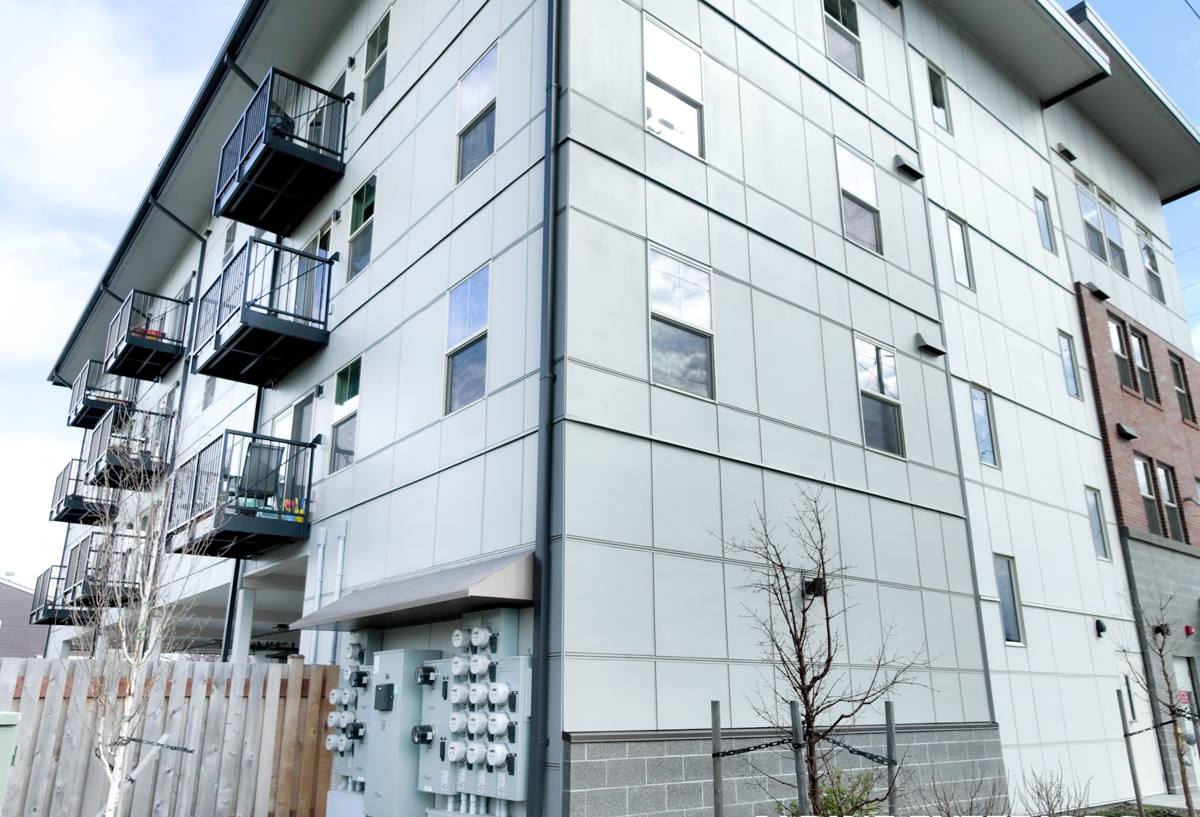
What Belleair Bluffs' Climate Does to Vertical Siding
Intense, Year-Round UV
Florida sun is relentless on painted and coated exterior surfaces. Board and batten has more vertical seams and more edge exposure per square foot than standard lap siding, which means more surface area where UV can attack a weak coating or a raw edge. Factory-applied, UV-stable finishes matter more here than in most parts of the country, because homeowners in Belleair Bluffs are not dealing with a mild summer — they're dealing with twelve months of strong sun.
Wind-Driven Rain
Rain in this part of Pinellas County rarely falls straight down. Storms push in off the Gulf and the bay at an angle, driving water sideways into vertical siding joints and batten seams. A board and batten system depends on correct lapping, flashing, and a properly installed water-resistive barrier behind it — if that layer is skipped or done casually, wind-driven rain will find its way behind the boards.
Salt Air and Humidity
Being close to the Intracoastal and the Gulf means airborne salt settles on exterior surfaces and accelerates corrosion of fasteners, trim, and any material that isn't built to handle it. Combined with Florida's humidity, this is a tough environment for wood-based products, which absorb moisture, swell, and eventually rot at the seams — exactly where board and batten has the most seams to fail at.
Hurricane-Force Wind Loads
Pinellas County homes are built and re-sided to hurricane wind-load standards for a reason. Vertical siding has to be fastened correctly — right nail pattern, right penetration, right spacing — or it becomes a liability in high wind rather than a protective layer. This isn't a cosmetic detail; it's a structural one.
What a Correctly Installed Board & Batten System Requires
Water Management Behind the Boards
The single biggest factor in whether board and batten siding lasts is what's happening behind it, not what you see from the street. That means a continuous, properly lapped weather-resistive barrier, correctly flashed windows and doors, and drainage that lets any moisture that does get in find its way back out instead of sitting against the wall sheathing.
Batten Spacing and Fastening
Batten spacing needs to be consistent and match the underlying panel or board layout — not just eyeballed for symmetry. Fasteners need to hit framing or approved sheathing at the manufacturer's specified spacing and edge distance, especially given the wind exposure this area sees. Loose or under-fastened battens are one of the most common causes of premature siding failure we see on re-side jobs.
Material Choice
Board and batten can be built from several materials — vinyl, engineered wood, primed spruce or cedar, or fiber cement. In a coastal Pinellas County climate, the material choice matters as much as the installation. Wood-based battens swell, cup, and rot at the seams. Vinyl can warp and fade under sustained UV and doesn't hold the crisp, deep shadow line that makes board and batten look right. We install James Hardie fiber cement for this reason — it holds its shape, its fastening, and its finish in exactly the conditions Belleair Bluffs throws at it.
Why We Only Install James Hardie for Board & Batten
We standardized on James Hardie fiber cement across every siding job we do, and board and batten is where that decision matters most, because vertical siding has more joints and edges exposed to weather than horizontal lap siding does.
| Factor | James Hardie Fiber Cement | Common Alternatives |
|---|---|---|
| Moisture behavior | Engineered not to absorb and swell at seams | Wood swells, cups, and rots at joints over time |
| UV / finish stability | Factory ColorPlus finish, warrantied against fading and peeling | Field-applied paint needs earlier repainting; vinyl can chalk and fade |
| Combustibility | Non-combustible fiber cement | Wood and some engineered products are combustible |
| Wind performance | Climate-engineered HZ product line rated for high-wind regions | Varies widely; lighter materials more prone to uplift if underfastened |
| Warranty | Strong transferable manufacturer warranty | Often shorter or non-transferable |
None of this means every other product is unusable everywhere — it means that for the specific combination of sun, salt, and wind Belleair Bluffs homes face, we've concluded Hardie is the material worth standing behind. We'd rather install one product correctly and be accountable for it than offer several and hope the cheaper ones hold up.
Our Process for Belleair Bluffs Board & Batten Projects
1. On-Site Assessment
We walk the home, check existing siding and sheathing condition, note window and door flashing, and look at wind exposure — a home closer to open water or on a corner lot may need extra attention at fastening and flashing details.
2. Removal and Substrate Check
Old siding comes off and we inspect the sheathing underneath for hidden moisture damage before anything new goes up. Skipping this step is how new siding ends up covering an old problem.
3. Weather Barrier and Flashing
We install a continuous water-resistive barrier and properly flash all penetrations — windows, doors, vents, and any wall transitions — before the first board or batten goes up.
4. Board and Batten Installation
Boards and battens are installed to James Hardie's fastening specifications, adjusted for local wind exposure, with consistent spacing and clean, correctly caulked or trimmed joints.
5. Final Walkthrough
We review the finished job with the homeowner, point out anything they should know about care and maintenance, and make sure everything matches what was agreed on before we call it done.
Where Board & Batten Fits on Belleair Bluffs Homes
Board and batten works especially well as an accent on gables, dormers, and porch elements, or as a full-elevation treatment on cottage-style and modern coastal homes common in this part of Pinellas County. It pairs cleanly with James Hardie lap siding elsewhere on the same house, giving a home visual variety without mixing materials that age differently. We'll talk through where vertical siding makes sense architecturally on your specific home rather than defaulting to it everywhere.
Cost Factors for Board & Batten Siding
| Factor | Why It Affects Price |
|---|---|
| Substrate condition | Rotted or damaged sheathing found during removal adds repair cost |
| Wall height and complexity | Multiple gables, dormers, and cutouts take more labor per square foot |
| Full elevation vs. accent use | Accent applications cost less than covering an entire home |
| Trim and flashing detail | Windows, corners, and transitions require extra material and labor |
| Color and finish selection | ColorPlus factory finishes vs. field painting affect material cost |
We give a written, itemized estimate before any work starts — no vague allowances, no surprise change orders for things we should have caught during the initial assessment.
Maintenance Checklist for Board & Batten Owners
- Rinse siding periodically to remove salt residue, especially on elevations facing open water
- Inspect caulking at joints and trim annually and re-caulk if it's cracked or pulling away
- Watch for any staining or soft spots near the base of boards, which can signal a drainage issue
- Keep sprinklers and irrigation from spraying directly on siding long-term
- After major storms, do a visual check for loose battens or damaged trim
- Repaint field-painted materials on the manufacturer's recommended schedule; ColorPlus finishes are warrantied against this need
Why Local Installation Experience Matters
Board and batten siding fails in predictable places when it's installed by a crew unfamiliar with this climate — usually at the flashing details and the fastening schedule, not at the parts a homeowner can see from the driveway. A crew that regularly works in Belleair Bluffs and the surrounding Clearwater and Pinellas County area has already seen how wind-driven rain, salt exposure, and storm-force gusts affect these details, and builds accordingly instead of relying on a generic installation guide written for a different climate.
If you're considering board and batten siding for your Belleair Bluffs home, we're happy to walk the property, answer questions honestly, and put together a free, no-pressure estimate — no obligation either way.