 Clearwater Siding
 Asphalt Shingle Roofing Built for Coachman Ridge Conditions
Coachman Ridge sits inland from the coast but still takes the full brunt of what Pinellas County weather delivers every year: sustained summer heat, sudden tropical downpours, and the real possibility of hurricane-force wind gusts during storm season. An asphalt shingle roof here isn't just a cosmetic decision — it's the single biggest piece of weatherproofing your home has. Get the installation right and it will carry your family through a decade or more of Florida summers without drama. Get it wrong, even in small ways, and you'll find out the hard way during the next big blow-through or the next long rainy stretch.
This page covers what a correctly installed asphalt shingle roof needs to hold up in this specific part of Clearwater, what our process looks like from first estimate to final inspection, and why local experience on this exact roof type matters more than a lot of homeowners realize.
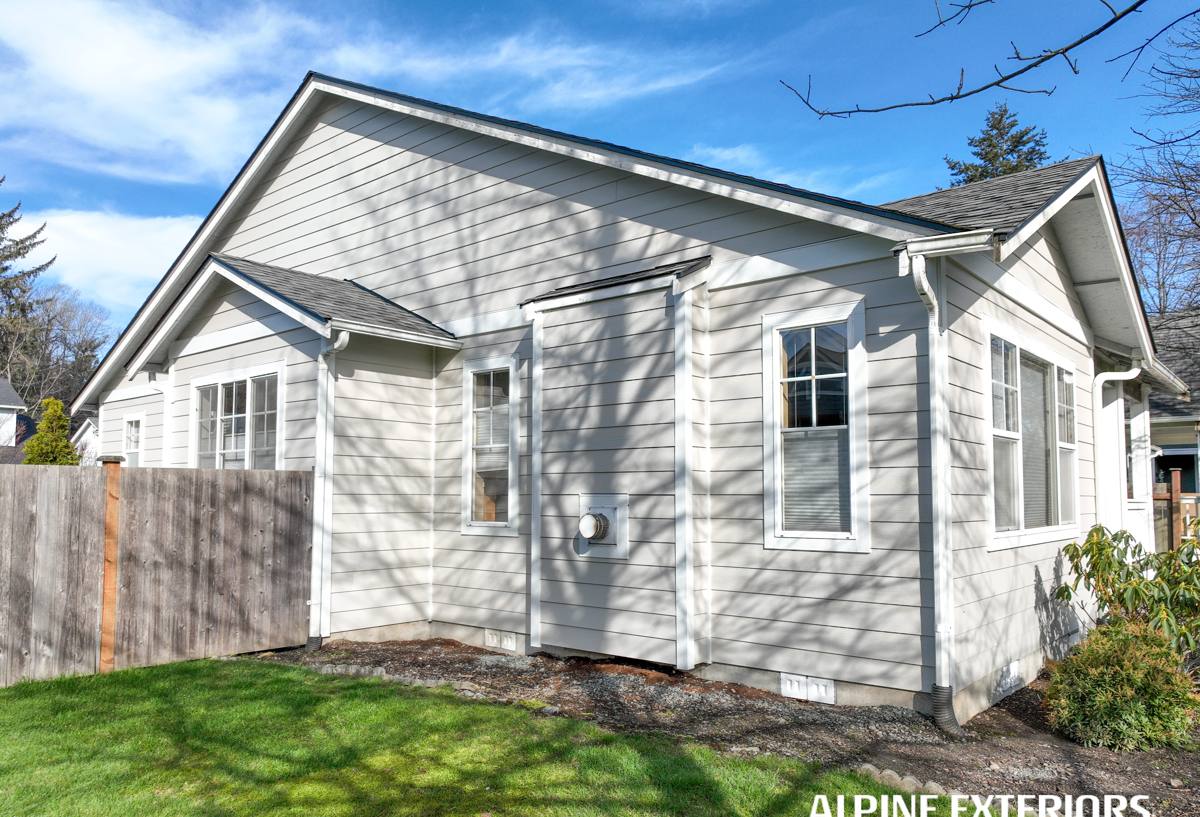
What Clearwater's Climate Actually Does to a Shingle Roof
Every roofing material sold in Florida is rated for something. The question is whether it was installed in a way that lets it actually perform to that rating once it's on your house. A few things stack up against shingle roofs in this area specifically:
Wind
Pinellas County sits in Florida's wind-borne debris region, which means the Florida Building Code has specific requirements for how shingles are fastened, how many nails per shingle, and what underlayment goes underneath. A shingle roof that meets code on paper but was nailed with a shortcut pattern is the roof that loses tabs — or whole sections — in a gusty afternoon storm, not just a named hurricane.
UV exposure
Florida gets more direct sun hours per year than almost anywhere else in the country. UV breaks down the asphalt and the granules that protect it faster here than in most of the U.S. Cheaper shingles or shingles installed without proper attic ventilation age visibly faster — granule loss, curling edges, brittleness — often years before their rated lifespan is up.
Wind-driven rain
It's rarely straight-down rain here. Tropical downpours come in sideways, which means underlayment, flashing details, and the way shingles overlap at valleys and edges matter as much as the shingles themselves. Most leaks we get called out for in established Clearwater neighborhoods trace back to flashing or underlayment, not the shingles.
Salt air
Clearwater is close enough to the Gulf that salt-laden air reaches inland neighborhoods like Coachman Ridge, accelerating corrosion on exposed metal — nails, flashing, vents, and drip edge. Roofs here need corrosion-resistant fasteners and metal components, not the cheapest hardware in the bin.
What a Correct Asphalt Shingle Roof Involves
A shingle roof is a system, not a single product. Every layer has a job, and skipping or shortcutting any one of them is where premature failures start.
- Deck inspection and repair — the plywood or OSB underneath has to be sound before anything goes on top of it. Soft, delaminated, or water-stained decking gets replaced, not covered over.
- Synthetic or felt underlayment — a full secondary water barrier across the whole roof, with self-adhering ice-and-water-style membrane at valleys, eaves, and penetrations even though we don't deal with ice — that membrane's real job here is wind-driven rain resistance.
- Starter strip — a dedicated starter course along eaves and rakes, not cut-down field shingles, so the first row has proper adhesive and wind resistance from day one.
- Field shingles — installed to the manufacturer's nailing pattern and exposure, with nail count matched to the wind speed rating for this area, not just the minimum.
- Flashing — new step flashing at walls and chimneys, proper valley treatment, and new pipe boots. Reusing old flashing to save time is one of the most common corner-cuts in this trade, and it's where slow leaks come from.
- Ridge and hip caps — matched ridge cap shingles, properly nailed, over ridge vent where applicable.
- Attic ventilation — intake at the soffits and exhaust at or near the ridge, balanced so the attic isn't cooking your shingles from underneath.
Shingle Options for Coachman Ridge Homes
Most homes in this part of Clearwater are candidates for one of three tiers of asphalt shingle. Which one makes sense depends on your budget, how long you plan to stay in the home, and how much wind and impact resistance you want built in.
| Shingle Type | Typical Wind Rating | Expected Lifespan Here | Best For |
|---|---|---|---|
| 3-tab (standard) | Lower end of code-compliant range | 12-18 years in this climate | Budget-driven rentals or short-hold properties |
| Architectural / dimensional | Higher wind ratings available, properly installed | 20-25 years | Most owner-occupied Coachman Ridge homes |
| Impact-rated architectural | Highest available; often qualifies for insurance credits | 25-30 years | Homeowners prioritizing storm resilience and long-term insurance savings |
We don't push impact-rated shingles on every job — for some homeowners the upfront cost doesn't pencil out against how long they plan to own the house. What we do insist on is matching the shingle's rated wind speed to an installation that actually achieves it, because a premium shingle installed with a builder-grade nailing pattern gives you none of the benefit you paid for.
A Note on Color and Heat
Lighter shingle colors reflect more UV and run cooler in Florida's sun, which can modestly ease attic heat load and slightly extend shingle life. It's a secondary factor next to installation quality and ventilation, but worth discussing if energy use or attic temperature is a concern for your household.
Signs a Coachman Ridge Roof Needs Attention
Most shingle roofs fail slowly, not all at once. Catching problems early is almost always cheaper than waiting for a leak to show up on your ceiling.
- Granules collecting in gutters or at downspout outlets
- Shingle edges curling or cupping, especially on the west- and south-facing slopes that take the most sun
- Bald or shiny patches where granule loss has exposed the asphalt underneath
- Cracked, lifted, or missing shingles after any significant wind event
- Rusty streaks near nail heads, vents, or flashing
- Soft spots or sagging when walked, or daylight visible through the attic decking
- Musty attic smell or visible moisture staining on rafters or decking
If you're seeing more than one of these, it's worth a roof inspection before it turns into an interior repair.
Our Process, Start to Finish
1. Inspection and Honest Assessment
We walk the roof (or use a ladder and camera where access is limited), check the attic from the inside, and tell you plainly whether you're looking at a repair or a full replacement. We don't upsell a tear-off when a targeted repair will genuinely hold.
2. Written Estimate
You get a clear, itemized estimate — materials, scope of work, and timeline — before anything is scheduled. No verbal promises that don't make it onto paper.
3. Permitting
Roof replacements in the City of Clearwater require a permit and inspection under the Florida Building Code. We pull it, we schedule the inspections, and we handle the paperwork so you're not the one chasing the city.
4. Tear-Off and Deck Inspection
Old roofing comes off down to the deck so we can actually see what's underneath, rather than layering new shingles over old problems.
5. Installation
Underlayment, flashing, starter strip, field shingles, ridge caps, and ventilation components go in per manufacturer spec and code-required nailing pattern for this wind zone.
6. Cleanup and Final Walkthrough
Magnetic sweep for stray nails, full site cleanup, and a walkthrough so you can see the finished work and ask questions before we consider the job done.
Permits, Wind Mitigation, and Insurance in Pinellas County
Florida homeowners insurance premiums are heavily influenced by roof age, roof shape, and documented wind-resistant features — collectively called a wind mitigation inspection. A new shingle roof installed to current Florida Building Code standards, with proper nailing, roof-to-wall connections, and (where chosen) impact-rated shingles, can improve your wind mitigation report and, in turn, your premium. We can provide the documentation your insurance agent needs to file an updated wind mitigation report after the job is complete — ask us about it when we scope your project.
Why Local, Coachman Ridge-Familiar Experience Matters
Roofing crews that work all over the Tampa Bay area in a given month, jumping between very different building styles and code jurisdictions, don't always carry the same specific familiarity a crew has when it works this side of Clearwater regularly. Working in and around Coachman Ridge repeatedly means we already know the common roof pitches and shapes in the area, we're familiar with the City of Clearwater permitting process, and we're not learning the neighborhood's typical home construction on your dime. That translates into fewer surprises mid-project, a more accurate first estimate, and a crew that shows up already knowing what your roof is likely to need before the ladder goes up.
Maintenance That Extends the Life of Your New Roof
A correctly installed shingle roof still needs basic upkeep to hit its full expected lifespan in this climate.
- Clean gutters at least twice a year so water isn't backing up under the eaves
- Trim overhanging tree limbs to reduce abrasion and debris buildup on the roof surface
- Have the roof inspected after any major storm, even if nothing looks obviously wrong from the ground
- Check the attic once or twice a year for staining, moisture, or signs of pest entry
- Don't ignore small leaks — a stain the size of a coin today is a cheap fix; the same leak left for two years usually isn't
- Keep an eye on caulking and sealant around vents and flashing, which can dry out and crack under UV exposure over time
If your Coachman Ridge roof is showing its age, took storm damage, or you're just planning ahead, we're happy to take a look and give you a straight answer — no pressure, no hard sell. Fill out the form below to schedule a free estimate.